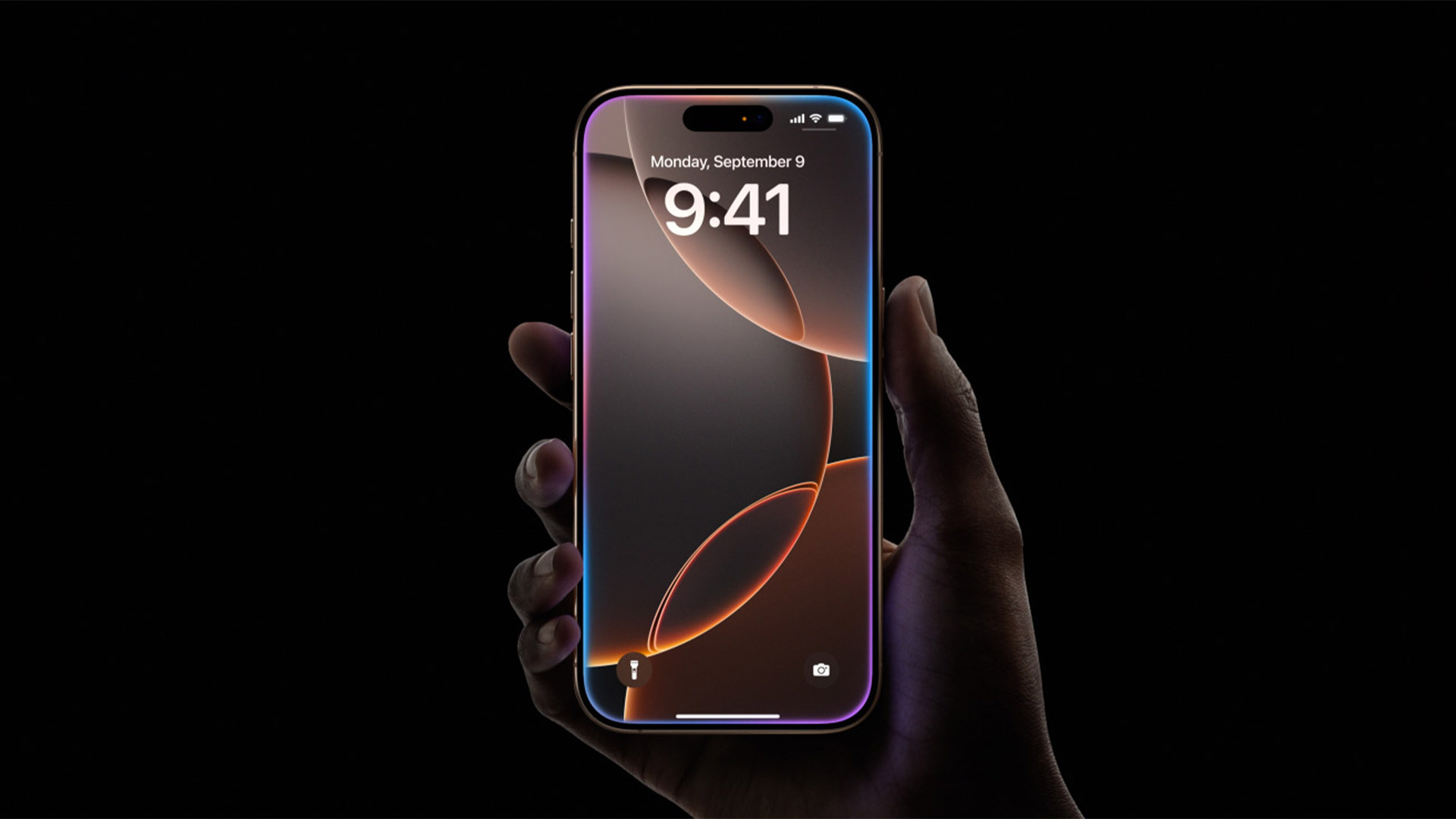
Apple’s next wave of devices could bring a major win for Korean OLED display makers, as Samsung Display and LG Display are reportedly set to dominate panel supply for several upcoming products. The biggest attention will likely be on the iPhone 18 Pro and iPhone 18 Pro Max, but Apple’s broader lineup may also include the iPhone Fold, iPad mini 8, Apple Watch Series 12, and an OLED-equipped M6 MacBook Pro.
According to a report from ETNews, Chinese display manufacturer BOE is not expected to supply OLED panels for Apple’s next premium product cycle. That would be a significant setback for the company, especially after repeated efforts to strengthen its position in Apple’s supply chain.
BOE had reportedly received approval to produce OLED panels for the iPhone 17 Pro series, but the latest production roadmap suggests it has not secured mass-production approval for iPhone 18 displays. As a result, Samsung Display and LG Display are expected to take over the full supply of OLED panels for Apple’s upcoming high-end hardware.
Samsung Display appears to be in the strongest position. The company is expected to handle a large portion of Apple’s OLED needs, including panels for the iPhone 18 Pro models and other devices that may ship in smaller volumes, such as the iPad mini 8. Samsung’s experience with advanced OLED technology also makes it a key partner for Apple’s rumored foldable iPhone, which could be one of the company’s most demanding display projects yet.
The iPhone Fold, if released as expected, will likely require a highly durable flexible OLED panel capable of withstanding long-term folding without visible damage or performance issues. This makes Samsung’s role especially important, as foldable display reliability remains one of the biggest challenges in the category.
Apple’s M6 MacBook Pro is another major product to watch. The move to OLED would mark a major shift for Apple’s notebook lineup, bringing deeper blacks, improved contrast, better power efficiency, and potentially thinner display designs. However, producing notebook-sized OLED panels at Apple’s quality standards is more complex than manufacturing smartphone displays, which may explain why Apple is relying on its most experienced partners.
LG Display is also expected to play a major role in Apple’s upcoming OLED strategy. The company will reportedly supply all OLED panels for the Apple Watch Series 12, while also handling part of the iPhone 18 Pro and iPhone 18 Pro Max display orders. LG has long been an important Apple supplier, and its continued presence gives Apple some balance between vendors, even if Korean companies are now expected to control the entire OLED supply for this product cycle.
Apple has traditionally preferred a diversified supply chain, often working with multiple suppliers from different regions to improve pricing, reduce risk, and maintain production flexibility. However, for advanced OLED panels, the company appears to be prioritizing reliability and manufacturing consistency over supplier diversity.
For BOE, missing out on these orders could be a major blow. Apple’s premium devices ship in massive volumes, and securing even a portion of OLED production can generate substantial revenue while strengthening a supplier’s reputation. Without approval for the iPhone 18 Pro series and other upcoming Apple products, BOE may have to wait for another opportunity to prove it can meet Apple’s strict production and quality requirements.
If the report proves accurate, Samsung Display and LG Display will enjoy a powerful position in Apple’s 2026 hardware lineup. With OLED expected to expand across iPhone, Apple Watch, iPad, foldable devices, and MacBook models, display technology is becoming one of the most important battlegrounds in Apple’s supply chain.


