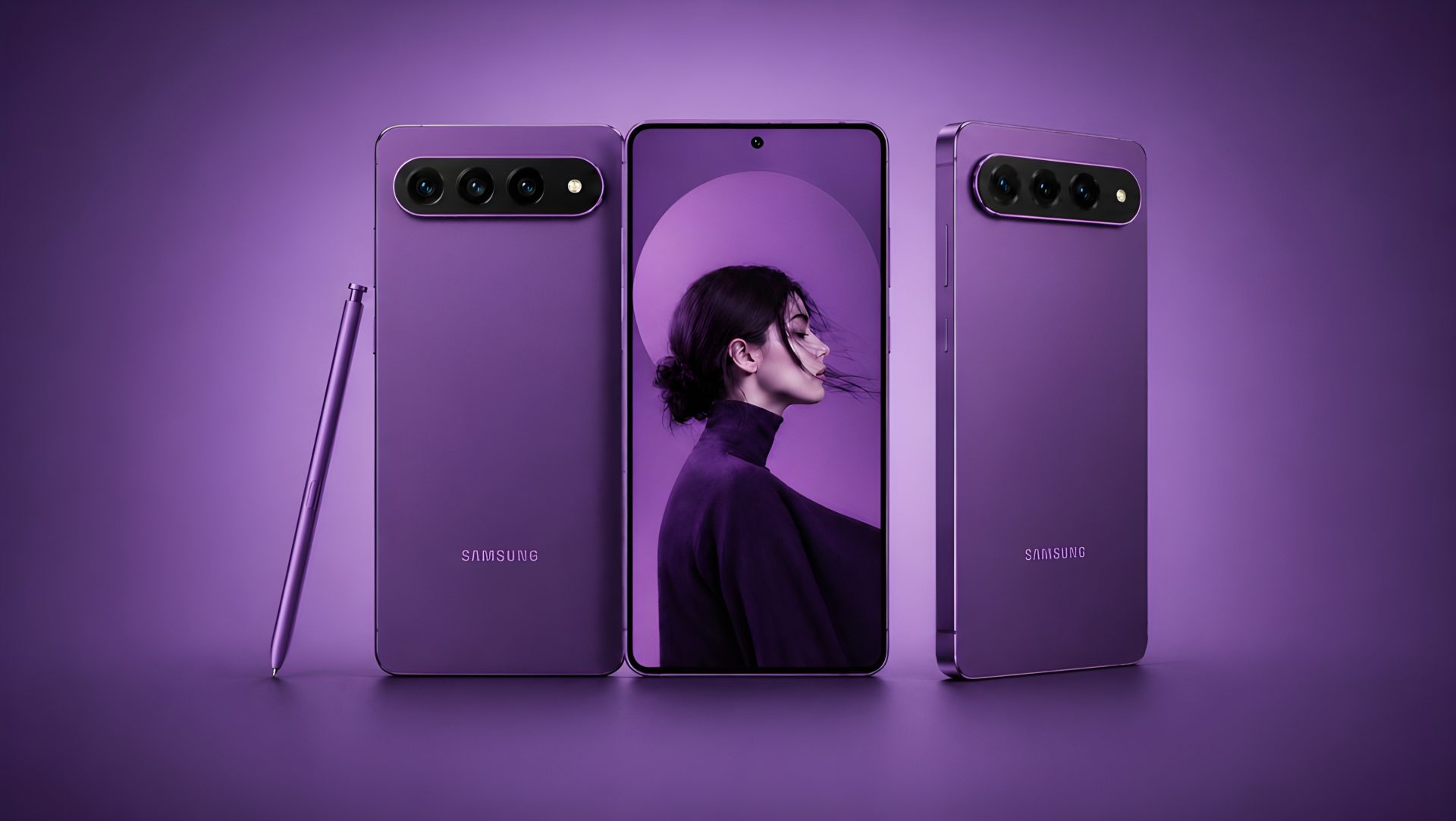
Samsung Galaxy S27 could use BOE OLED displays as rising component costs pressure margins
Samsung may be preparing a major supply-chain shift for its future Galaxy S27 lineup, with new reports suggesting that the standard Galaxy S27 could feature OLED display panels supplied by China’s BOE. If accurate, this would mark a notable change for Samsung’s flagship Galaxy S series and could signal a broader push to reduce production costs amid rising prices for memory chips and mobile processors.
The move is reportedly tied to Samsung’s effort to protect profitability on its entry-level flagship model. The base Galaxy S phones typically carry thinner margins than the more expensive Plus and Ultra variants, making component costs especially important. With memory prices climbing sharply and high-end smartphone chipsets becoming more expensive, Samsung appears to be exploring ways to keep the Galaxy S27 competitively priced without sacrificing too much profit.
A senior Samsung executive overseeing the company’s TV and smartphone operations is said to be planning a visit to BOE in China this month to discuss potential business opportunities. That meeting could be important if Samsung is seriously considering BOE as a supplier for the Galaxy S27 display.
Samsung has reportedly requested technical details from BOE regarding the OLED panel that could be used in the upcoming device. If the two companies reach an agreement, the standard Galaxy S27 would become the first Galaxy S series model to use a BOE-made display panel. Samsung and BOE are believed to have explored a similar arrangement years ago for an earlier Galaxy S model, but that effort did not result in a major partnership at the time.
For BOE, landing a Galaxy S series contract would be a major win. The company has grown into one of the world’s largest display manufacturers and already supplies OLED panels for several popular smartphones. It has also expanded from LTPS OLED technology into more advanced LTPO OLED panels, which are commonly used in premium devices for smoother refresh-rate control and better power efficiency.
BOE is estimated to hold roughly a quarter of the global display panel market. Its annual revenue is said to be close to $30 billion, although its margins remain relatively slim. Winning more high-profile smartphone contracts could help the company strengthen its position in the premium OLED market.
However, Samsung’s rumored decision is not without risk. Display quality is one of the defining features of Galaxy flagship phones, and Samsung’s own OLED panels have long been considered among the best in the industry. A switch to a third-party panel supplier for the base Galaxy S27 could raise concerns among buyers who expect consistent brightness, color accuracy, durability, and long-term reliability.
One concern often discussed by smartphone users is the appearance of vertical green lines on OLED displays. While this issue can be caused by several factors, including damage, heat exposure, software updates, or manufacturing defects, some consumers may worry that changing panel suppliers could increase the chance of display-related complaints. For a flagship phone, even a small quality-control issue can quickly affect public perception.
That is why Samsung would need to ensure strict testing before approving BOE panels for a Galaxy S device. The company cannot afford to compromise the reputation of the Galaxy S series, especially as competition in the premium smartphone market continues to intensify. Apple, Chinese smartphone brands, and other Android manufacturers are all pushing aggressively with better cameras, faster processors, brighter displays, and improved battery life.
The possible use of BOE OLED panels could also reflect a broader strategy from Samsung. Rather than relying only on in-house display technology, the company may be looking to diversify its supply chain and negotiate better component pricing. Multiple suppliers can reduce cost pressure, improve flexibility, and help avoid shortages during periods of high demand.
For consumers, the big question is whether this change would be noticeable. If BOE can deliver panels that meet Samsung’s standards, the Galaxy S27 could offer the same premium viewing experience while helping Samsung manage rising production expenses. That could allow the company to maintain pricing or invest savings into other areas such as battery capacity, camera hardware, or AI features.
But if the display falls short of expectations, the decision could backfire. The Galaxy S lineup has built much of its identity around top-tier screens, and buyers may not respond well if the base model is perceived as receiving a lower-grade panel than the more expensive variants.
At this stage, the Galaxy S27 is still far from launch, and supplier plans can change before mass production begins. Samsung may test BOE panels while still keeping other display suppliers in consideration. The final decision will likely depend on cost, production capacity, quality control, and whether BOE can meet the strict standards required for a flagship Galaxy phone.
If Samsung does move forward, the base Galaxy S27 could become a turning point for the company’s flagship strategy. It would show how even the biggest smartphone brands are adjusting to rising component costs while trying to keep devices profitable and competitive. The success of that strategy will depend on one simple thing: whether Samsung can save money without making buyers feel like they are getting less.


