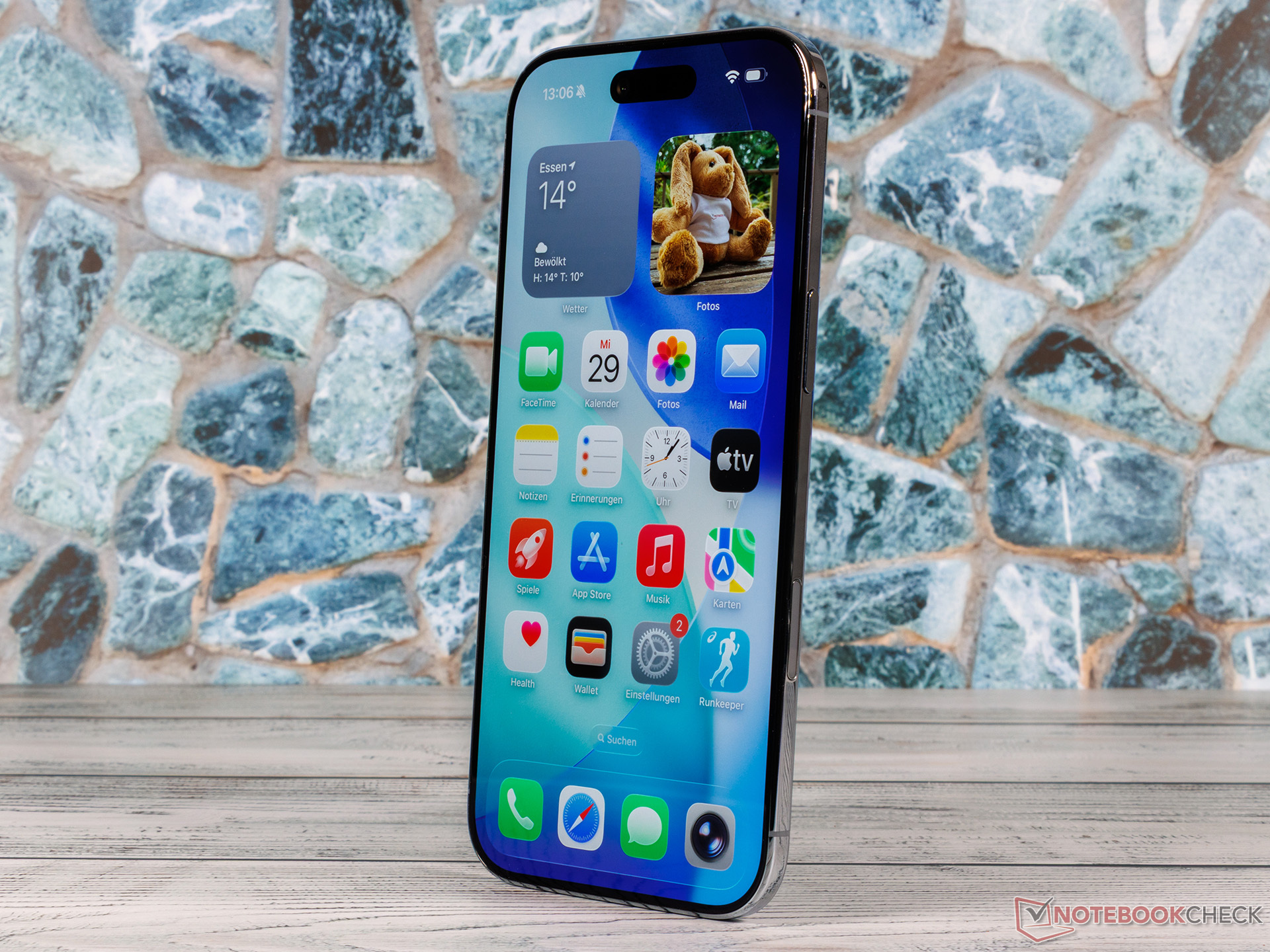
Apple iPhone, iPad, and Mac prices may rise soon as memory costs surge
Apple fans planning to buy a new iPhone, iPad, or Mac may want to act sooner rather than later. A fresh wave of price increases appears to be approaching, and the reason is the ongoing DRAM crisis that has pushed memory costs higher across the tech industry.
Apple CEO Tim Cook recently acknowledged that higher prices tied to the DRAM shortage would be “unavoidable.” While he did not reveal the exact timing or the size of the increases, the warning suggests that Apple is preparing customers for changes across some of its most popular products.
The price hike is expected to affect iPhones, iPads, and Macs, although it is still unclear whether every model in Apple’s lineup will become more expensive. Some analysts have already predicted that future premium iPhone models could see noticeably higher starting prices, with even the entry-level iPhone 18 Pro potentially reaching $1,399.
However, Apple may not wait for the next iPhone generation to adjust prices. Bloomberg’s Mark Gurman reports that the increases could be imminent. His reasoning is simple: if Apple publicly warned customers about rising prices, the company likely plans to act soon rather than months from now.
One possible timing window could be Apple’s annual Back to School promotion. If Apple raises list prices during that period, students and educators may still be able to offset some of the impact through promotional offers. That could make the price increase feel slightly less severe for buyers who qualify for education discounts.
For consumers considering a new Apple device, the message is clear: waiting may not be the best strategy. If a current promotion is available on an iPhone, iPad, or Mac, it could be worth taking advantage of it before official prices climb.
The final size of the increase remains uncertain. Apple already charges steep prices for memory and storage upgrades compared with market rates. For example, upgrading a Mac with 16 GB of additional RAM can cost around $400, while adding 4 TB of SSD storage may cost as much as $1,200. These upgrade prices are often far higher than comparable components sold elsewhere, even with memory prices rising.
The DRAM crisis is affecting the wider electronics market, but Apple’s premium pricing structure means customers may feel the impact more sharply. If the expected price changes arrive soon, the cost of buying or configuring a new iPhone, iPad, or Mac could become even harder to ignore.
Anyone planning to upgrade should keep a close eye on Apple’s current offers, education deals, and retail promotions. Once the new prices take effect, today’s prices may look like the better deal.