AI Is Reshaping Europe’s Tech Infrastructure as NPUs and AI-RAN Push Legacy Systems Aside
Artificial intelligence is no longer just a software trend running quietly in the background. Across Europe, AI is rapidly changing the foundations of technology infrastructure, forcing businesses, telecom operators, device makers, and data-driven industries to rethink the hardware they rely on.
New market intelligence from CONTEXT World points to a major shift: traditional systems are being replaced at a pace that signals a new era for enterprise computing, networking, and connected devices. The driving force behind this transition is the growing demand for hardware built specifically for AI workloads.
For years, most computing tasks depended heavily on CPUs and, in more demanding environments, GPUs. But AI has changed the equation. Modern AI applications need faster processing, lower latency, better energy efficiency, and real-time decision-making. This is where Neural Processing Units, commonly known as NPUs, are becoming increasingly important.
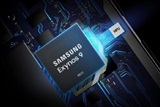
NPUs are designed to handle AI tasks more efficiently than general-purpose processors. They can accelerate machine learning features directly on devices, making laptops, smartphones, edge systems, and business hardware faster and smarter without always depending on cloud servers. This shift is especially important for companies that need quick AI responses, improved privacy, and reduced data transfer costs.
In Europe, the rise of AI-ready hardware is already influencing purchasing decisions. Businesses are moving away from older infrastructure that cannot support modern AI workloads efficiently. Instead, they are investing in systems that can support automation, predictive analytics, generative AI tools, intelligent security, and real-time data processing.
This transformation is not limited to personal computers or data centers. Telecom networks are also entering a new phase with AI-RAN, or artificial intelligence radio access networks. AI-RAN combines AI processing with network infrastructure, allowing mobile networks to become more adaptive, efficient, and responsive.
For telecom providers, AI-RAN could be a major breakthrough. It can help optimize network performance, manage traffic more intelligently, reduce energy consumption, and improve service reliability. As 5G continues expanding and future 6G development moves closer, AI-powered networking is expected to play a central role in shaping next-generation connectivity.
The result is a growing divide between legacy technology and AI-optimized systems. Older hardware may still function, but it is becoming less competitive in environments where speed, automation, and intelligent processing are essential. Companies that delay upgrading may find themselves dealing with slower performance, higher operating costs, and limited ability to use advanced AI tools.
This trend also reflects a broader change in the European technology market. AI is no longer being treated as an optional add-on. It is becoming a core requirement for modern infrastructure. From enterprise laptops with built-in AI acceleration to telecom networks that can manage themselves more efficiently, the hardware market is being rebuilt around intelligent computing.
The move toward AI-first infrastructure is also likely to influence supply chains, vendor strategies, and IT budgets. Hardware makers are expected to place greater emphasis on AI processors, energy-efficient chips, and edge computing solutions. Meanwhile, businesses may increasingly prioritize systems that offer long-term AI compatibility rather than simply choosing devices based on traditional specifications.
Energy efficiency is another major factor behind this transition. AI workloads can be extremely demanding, and running them through older infrastructure can increase power consumption. Dedicated AI hardware such as NPUs can help reduce that burden by completing certain tasks more efficiently. For European companies facing rising energy costs and sustainability targets, this advantage could become a key selling point.
The growing adoption of AI hardware also supports the rise of edge AI. Instead of sending every task to remote cloud servers, edge AI allows devices to process data locally. This can improve response times, strengthen data privacy, and reduce bandwidth usage. Industries such as healthcare, manufacturing, retail, finance, transportation, and smart cities could benefit significantly from this model.
As AI becomes more embedded in daily operations, the pressure on traditional infrastructure will continue to increase. Legacy systems that were once considered reliable may no longer meet the demands of AI-powered software, advanced analytics, and automated decision-making.
Europe’s technology landscape is entering a period of rapid modernization. The rise of NPUs, AI-RAN, and AI-optimized hardware shows that artificial intelligence is no longer just transforming applications. It is transforming the machines, networks, and systems that power the digital economy.
The message is clear: the future of technology infrastructure is AI-ready, energy-conscious, and built for real-time intelligence. Companies that adapt early may gain a strong competitive advantage, while those that remain tied to outdated systems risk falling behind in a market that is moving faster than ever.