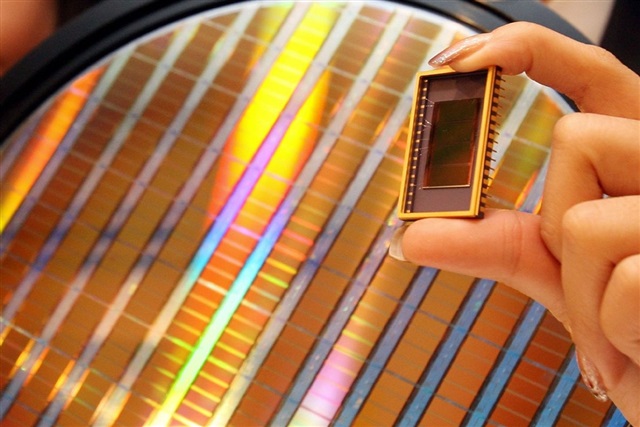
China’s DRAM Capacity Expansion Raises a Big Question for the Global Memory Market
China’s push to expand DRAM production is becoming one of the most closely watched developments in the semiconductor industry. As new capacity continues to come online, investors, chipmakers, device manufacturers, and supply chain analysts are asking the same question: could the global memory market shift from tight supply to oversupply?
DRAM, or dynamic random-access memory, is a critical component used in smartphones, PCs, servers, data centers, graphics products, and a growing range of AI-driven devices. Because demand can rise and fall quickly, the DRAM market is known for sharp price cycles. When supply is limited and demand is strong, prices climb. When too much capacity enters the market, prices can fall quickly and pressure profit margins across the industry.
China’s ongoing investment in DRAM capacity adds a new layer of uncertainty to that cycle. The country has been working to strengthen its domestic semiconductor supply chain, reduce reliance on overseas suppliers, and build a more competitive memory industry. Expanding DRAM output fits into that broader strategy, especially as memory remains essential for everything from consumer electronics to cloud infrastructure.
However, the timing of this expansion matters. The global memory market has recently been shaped by tighter supply conditions, production discipline among major suppliers, and rising demand from AI servers and high-performance computing. If China’s additional DRAM capacity enters the market gradually, it may be absorbed by growing demand. But if output ramps faster than expected, it could shift the balance and create downward pressure on prices.
The biggest risk is a supply-demand flip. Memory markets are highly sensitive to even small changes in production levels. A sudden increase in available DRAM supply could weaken pricing momentum, particularly if demand from smartphones, PCs, or traditional servers remains uneven. While AI-related demand is strong, it may not be enough on its own to offset a broad rise in global output.
Another important factor is product positioning. Not all DRAM is the same. Advanced memory products used in AI servers and high-end computing require strong technology, quality control, and customer qualification. If China’s growing capacity is focused mainly on mainstream DRAM segments, the impact may be felt more heavily in consumer electronics and general-purpose memory markets. That could lead to more intense competition in lower-end and mid-range segments before affecting premium memory categories.
Geopolitical and trade pressures also remain part of the picture. As semiconductor supply chains become more strategic, policy decisions, export controls, and domestic sourcing goals can influence how quickly production expands and where chips are sold. These factors may limit or redirect supply, making the market harder to predict.
For global DRAM suppliers, China’s expansion is both a challenge and a signal. It may encourage more careful production planning, stronger focus on advanced memory technologies, and tighter control over capital spending. For buyers, increased capacity could eventually bring more pricing options, but it may also increase market volatility.
The key question is not simply whether China can produce more DRAM. The real issue is whether the added capacity arrives at a time when the market can absorb it. If demand continues to grow across AI, cloud computing, mobile devices, and PCs, the new supply may help stabilize the market. If demand weakens or production rises too quickly, the industry could face renewed oversupply concerns.
China’s DRAM expansion is now a major variable in the global memory outlook. The market is entering a period where capacity growth, technology competition, and demand recovery will all determine the next pricing cycle. For now, the industry is watching closely to see whether China’s ambitions will support a healthier supply chain or trigger another shift in the balance of global DRAM supply and demand.