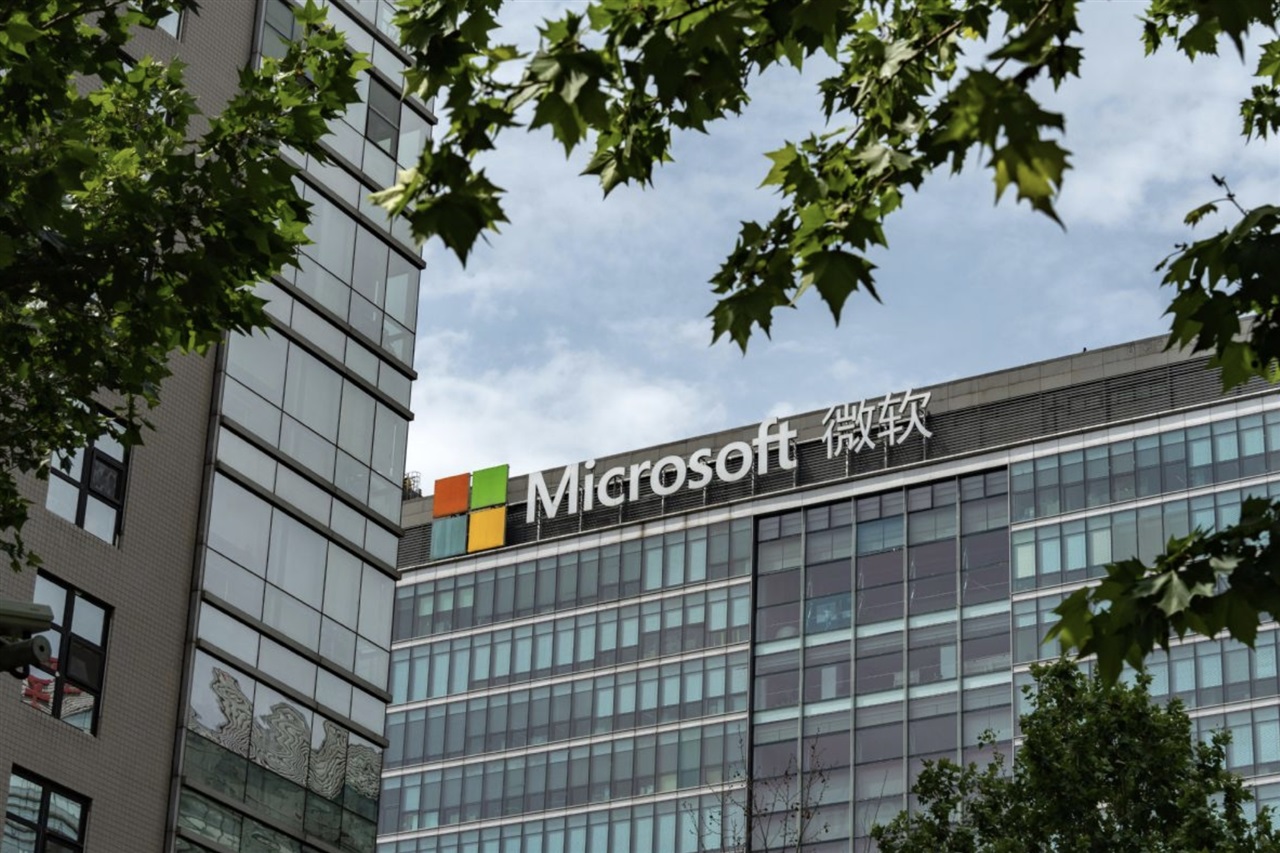
China speeds up Microsoft Windows 10 removal from state-linked systems
China is moving faster to reduce its reliance on foreign technology in sensitive government-connected environments, with some state-affiliated organizations reportedly being instructed to uninstall a customized version of Microsoft Windows 10 earlier than originally planned.
The move appears to be part of Beijing’s broader push for technology self-sufficiency, especially across systems tied to public administration, national infrastructure, and other sensitive operations. By accelerating the transition away from Microsoft Windows 10, China is signaling that software independence remains a major priority in its long-term digital strategy.
For years, China has encouraged government departments, state-backed companies, and key institutions to adopt more locally developed hardware and software. This latest step suggests that the timeline for replacing foreign operating systems may be tightening, particularly in environments where data security and control are viewed as critical.
Microsoft Windows has long been widely used across the world, including in China, but government-linked sectors are increasingly shifting toward domestic alternatives. These alternatives are often designed to align more closely with local security requirements, regulatory standards, and national technology goals.
The order to remove the customized Windows 10 version months ahead of schedule highlights how quickly China’s technology policy is evolving. Instead of a slow, gradual transition, some organizations may now need to move more rapidly to replace existing systems, migrate data, retrain staff, and ensure compatibility with local software platforms.
This development also reflects a wider global trend. Many countries are reassessing the role of foreign-made technology in critical systems, especially as cybersecurity, supply chain control, and digital sovereignty become more important. China’s approach, however, has been especially direct, with a strong emphasis on building and using domestic technology across public-sector networks.
For Microsoft, the shift could further limit opportunities in certain Chinese government and state-linked markets. While the company remains a major global software provider, China’s continued drive toward local alternatives may reduce the role of Windows in official environments over time.
The accelerated Windows 10 removal is another sign that China’s tech independence campaign is not slowing down. As the country continues investing in homegrown operating systems, processors, cloud services, and enterprise software, more foreign technology could be phased out from sensitive state-connected systems in the years ahead.