Solar Panel Prices Have Crashed Since 2000, but Cheap Solar Is Creating a New Grid Challenge
Solar power has seen one of the most dramatic cost reductions in modern energy history. Around the year 2000, solar panels commonly cost about $5 to $6 per watt. Today, prices have fallen to roughly 12 cents per watt, transforming solar from an expensive alternative into one of the most affordable sources of electricity available.
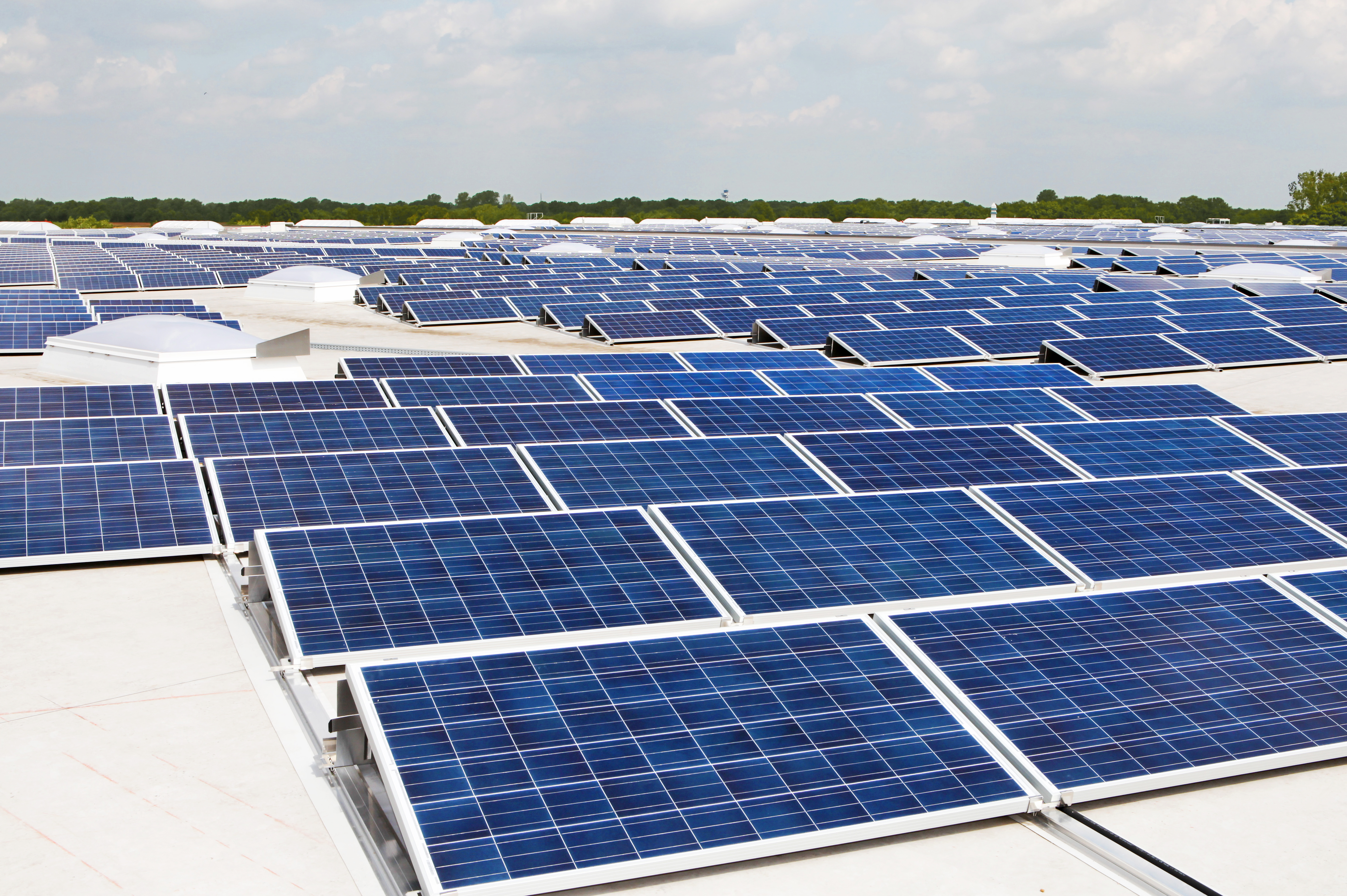
This sharp decline has helped push solar energy into the mainstream. What was once limited to early adopters, large research projects, and environmentally focused businesses is now appearing on rooftops, factories, warehouses, farms, and commercial buildings around the world.
The biggest reason behind this price collapse is scale. Solar manufacturing has expanded massively over the past two decades, supported by better production methods, improved panel efficiency, and intense global competition. China has played a central role in this shift, building an enormous solar manufacturing industry capable of producing panels at terawatt-level scale.
Industry estimates suggest that China’s solar manufacturing capacity has reached about 1.36 terawatts. That massive supply has helped lower prices worldwide, making solar installations more affordable for homeowners, businesses, and governments.
The impact is already visible in global energy data. Solar generation grew by around 30% worldwide in 2025, making it one of the fastest-growing sources of electricity. Renewable energy also became the largest contributor to overall energy supply growth, with solar responsible for most of the increase in renewable generation.
Businesses have especially strong reasons to adopt solar power. Many commercial and industrial sites use the most electricity during the day, which is exactly when solar panels generate the most power. This makes solar a practical way to reduce electricity bills and improve energy security.
In Pakistan, Bestway Cement’s Chakwal plant already receives more than a quarter of its electricity from a 26MW solar installation. The company also plans to expand that capacity with an additional 6.34MW, showing how large industrial users are turning to solar to control energy costs.
Homes are joining the solar boom as well. India has installed rooftop solar systems on more than five million homes through its national subsidy program. In the Philippines, rooftop solar capacity has reportedly nearly doubled in just one year. As panel prices continue to fall, residential solar is becoming more accessible to middle-class households in many countries.
However, the rapid growth of cheap solar is creating a complicated challenge for electricity utilities.
When homeowners and businesses install rooftop panels, they buy less electricity from the grid during sunny hours. If they also install batteries, they can reduce grid purchases even further. But most of these customers still depend on the grid at night, during bad weather, or when their batteries are empty.
That creates a financial problem for utilities. They sell less electricity, but they still have to maintain the power lines, transformers, substations, and backup generation needed to keep customers connected. In other words, grid infrastructure costs remain, even as electricity sales decline.
There are technical challenges too. Solar power output can change quickly when clouds pass overhead or weather conditions shift. In areas with a lot of rooftop solar, electricity can even flow backward into local distribution networks, which were originally designed to send power in one direction: from power plants to customers.
High solar adoption can also cause daytime grid demand to drop sharply. This makes it harder for grid operators to balance supply and demand, especially when conventional power plants are still needed in the evening after solar production fades. This pattern is becoming more common in regions with heavy solar deployment.
Still, these challenges do not mean solar power is failing. In fact, they show just how successful solar has become. The main issue is no longer whether solar panels can be made cheaply enough. The new challenge is how to modernize electricity systems so they can handle large amounts of low-cost, distributed solar energy.
The next stage of the solar revolution will depend on more than cheaper panels. Batteries will become increasingly important for storing excess daytime power and using it later. Better weather forecasting will help grid operators predict solar output more accurately. Flexible electricity pricing can encourage people to use more energy when solar production is high. Upgraded distribution networks will also be needed to manage power flowing from millions of rooftops and businesses.
Solar energy has already changed the economics of electricity. Panels that once cost several dollars per watt are now available at a fraction of that price, helping accelerate the global shift toward renewable power. But as solar becomes cheaper and more widespread, the focus is shifting from manufacturing panels to redesigning the grid around them.
The future of solar power may not be defined only by how low panel prices can go. It may be defined by how quickly energy systems can adapt to a world where cheap solar is everywhere.