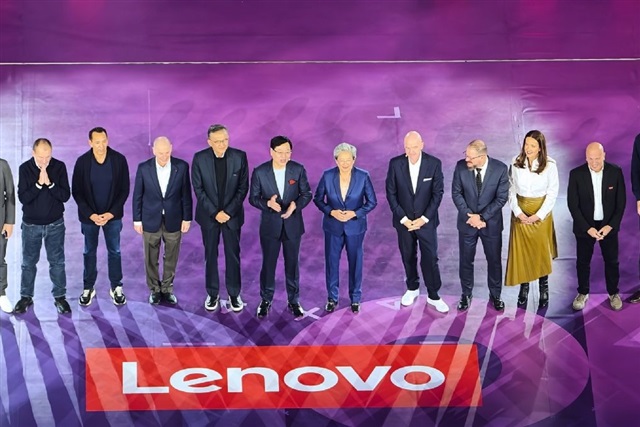
Lenovo used CES 2026 to spotlight a clear message: the future of AI won’t live only in the cloud or only on your laptop—it will move seamlessly between both. The company unveiled its Hybrid AI strategy, a plan designed to connect cloud infrastructure and personal devices into one unified, end-to-end AI computing network.
At the heart of Lenovo’s CES 2026 announcement is the idea of “cloud-to-device” intelligence. Instead of treating AI as a single destination, Lenovo is positioning it as a flexible system that can run where it makes the most sense—whether that’s in powerful cloud environments handling large workloads or directly on personal hardware for faster, more private, everyday experiences.
By integrating artificial intelligence across its broader ecosystem, Lenovo aims to create a more consistent AI experience from data centers all the way down to consumer and business devices. This approach is intended to make AI more practical and accessible, supporting everything from enterprise automation and advanced analytics to on-device features that can respond quickly without constantly relying on an internet connection.
The broader goal is an end-to-end AI computing network that connects the dots between infrastructure and endpoints. In practical terms, Lenovo’s Hybrid AI direction suggests a future where AI tasks can shift between cloud and device depending on performance needs, latency, cost, or privacy considerations—helping organizations and individuals get the benefits of AI without being locked into a single model.
With its CES 2026 Hybrid AI strategy reveal, Lenovo is signaling that the next phase of AI adoption will be defined by integration: a connected system where cloud and devices work together to deliver smarter, more efficient computing across the entire AI pipeline.