CATL Aviation Battery Passes Major Safety Test, Bringing Electric Air Taxis Closer to Reality
CATL has reached an important breakthrough in electric aviation after its high-density aircraft battery pack successfully passed a demanding thermal runaway safety test. The result could help accelerate certification efforts for future electric aircraft, including passenger eVTOLs and air taxis.
The battery system uses prismatic cells and delivers an energy density of 350 Wh/kg, a figure far beyond what is commonly found in today’s mass-market electric vehicle battery packs. For comparison, many mainstream EVs rely on LFP battery technology with significantly lower energy density. In aviation, that difference matters enormously because every kilogram affects flight range, payload capacity, and commercial viability.
What makes this achievement especially significant is the severity of the safety test. Instead of triggering thermal runaway in just one isolated cell, the test involved two adjacent cells being activated at the same time. This is a much tougher scenario because it raises the risk of heat spreading from one cell to another and causing a chain reaction across the battery pack.
CATL says the entire process, from battery cell production to the thermal runaway test itself, was observed by China’s civil aviation regulator. That oversight is an important step toward official airworthiness certification, which remains one of the biggest hurdles for electric aircraft adoption.
High-energy aviation batteries are more difficult to engineer safely because chemistries that offer greater energy density can also be more sensitive under extreme conditions. For electric aircraft, battery makers must solve two major challenges at once: delivering enough power and range to make flight practical, while preventing thermal runaway from spreading through the pack.
CATL’s latest test suggests it has made meaningful progress on both fronts. The company has already demonstrated advanced battery technology with energy density levels reaching up to 500 Wh/kg, but aviation requires more than impressive performance numbers. Regulators, operators, and passengers must be convinced that these systems can withstand worst-case conditions.
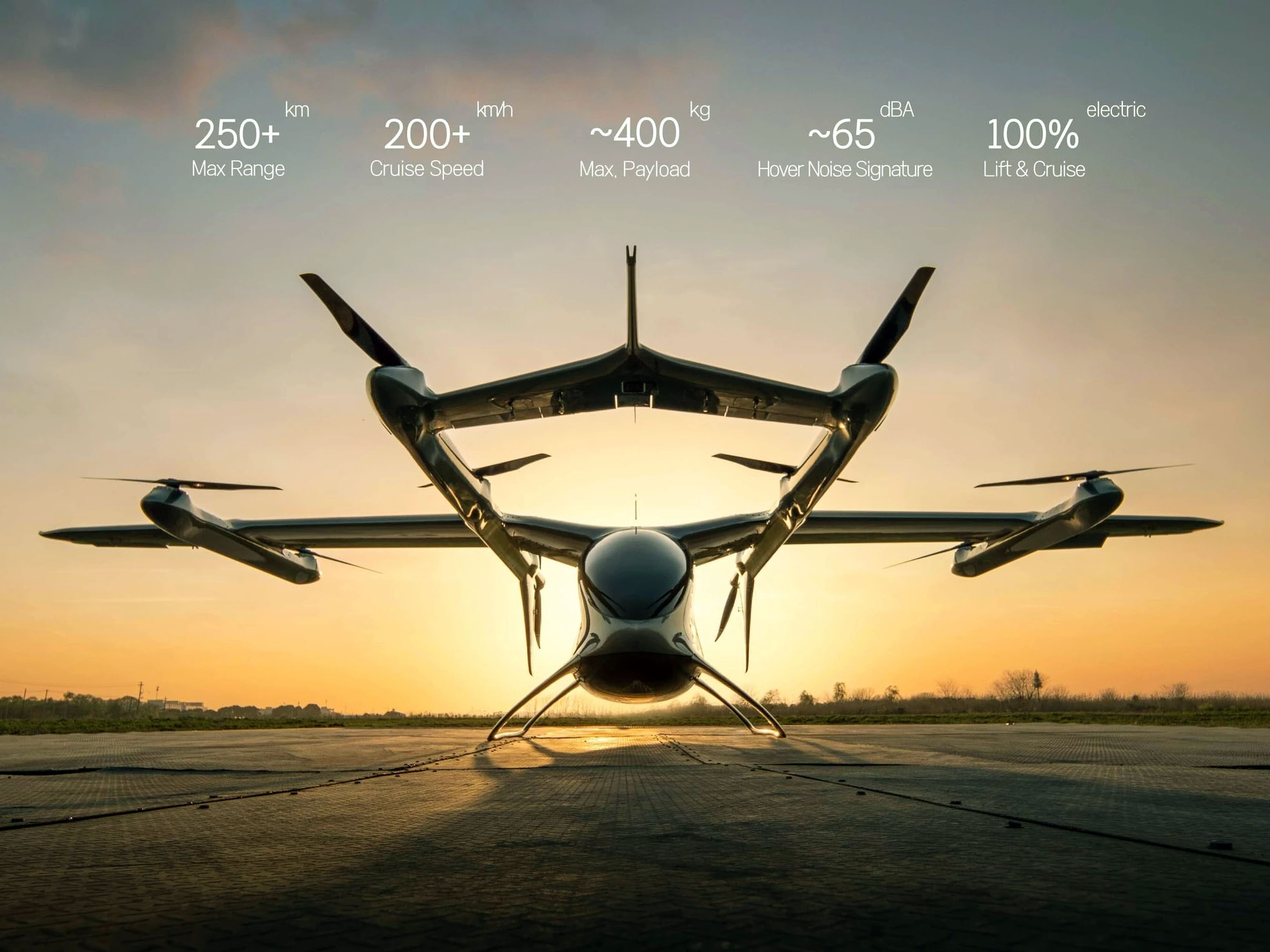
The first expected application for this aviation battery is in passenger eVTOL aircraft developed by Autoflight. CATL has supported Autoflight since 2024, and the companies have already worked together on electric aviation infrastructure concepts, including vertiport-related projects.
This move also shows CATL’s broader ambitions beyond electric cars. The company is already the world’s largest battery manufacturer and a dominant supplier in the EV market. Now it is expanding into new transportation sectors, including electric aircraft and electric vessels.
Electric aviation still faces major challenges before it becomes part of everyday travel. Regulators must approve the aircraft, cities need suitable takeoff and landing infrastructure, and the public must trust battery-powered aircraft enough to board them. However, battery safety certification has long been one of the biggest barriers standing in the way.
By passing a tougher-than-standard thermal runaway test, CATL has taken a key step toward making electric air taxis and battery-powered passenger aircraft more realistic. If the technology continues to advance and receives regulatory approval, high-density aviation batteries could help turn eVTOLs from experimental vehicles into certified aircraft capable of carrying cargo and passengers using fully electric propulsion.