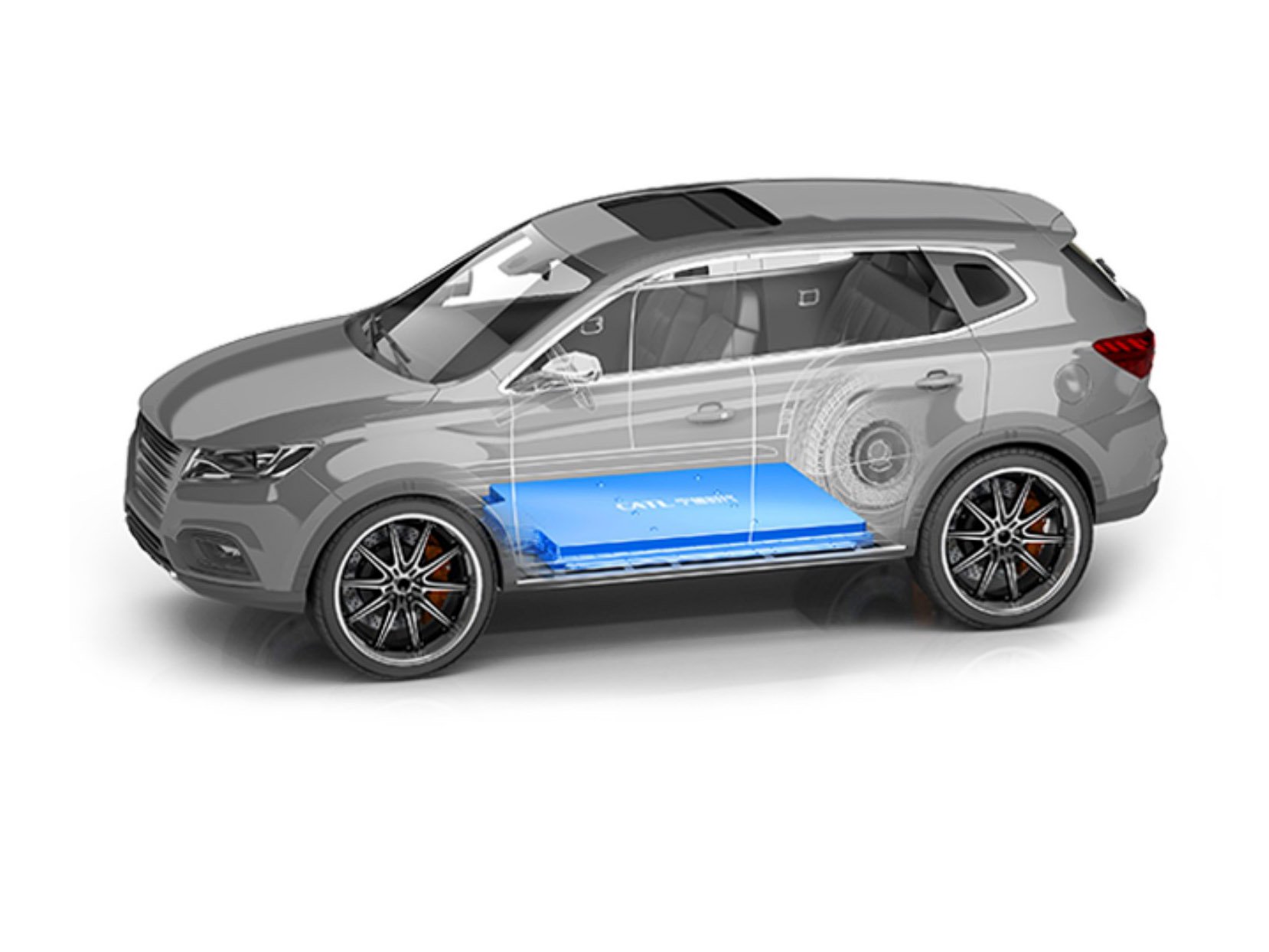
CATL Reaffirms 2027 Timeline for Solid-State Battery Pilot Production
CATL is once again pointing to 2027 as a key year for solid-state battery development. In a recent response to investors, the world’s largest electric vehicle battery manufacturer said it remains committed to heavy investment in solid-state cells and believes its technology is among the most advanced in the industry.
The company confirmed that pilot production is planned for 2027, though it described the early output as small-batch production rather than full-scale manufacturing. That wording is important. While solid-state batteries promise major gains in energy density, safety, and electric vehicle driving range, the technology still faces challenges in reliability, scaling, cost, and supply chain readiness.
Solid-state batteries are widely seen as one of the next major breakthroughs for electric vehicles. By replacing most or all of the liquid electrolyte used in today’s lithium-ion batteries with solid materials, these cells could potentially store more energy in a smaller and lighter package. For EV makers, that could mean longer range, faster charging, improved durability, and better safety.
CATL has taken a cautious but increasingly active approach to the technology. The company was once skeptical of the solid-state battery hype, with its leadership emphasizing that years of research had shown how difficult mass production would be. CATL had previously focused more attention on sodium-ion batteries and semi-solid battery technology as nearer-term solutions.
That position has gradually shifted. CATL later revealed plans to target 2027 for solid-state battery progress, with early market penetration expected to be around 1%. The company has also indicated a goal of reaching energy density levels of around 500 Wh/kg, a figure that would represent a major improvement over many current EV battery packs.
To support the effort, CATL has reportedly assigned around 1,000 engineers to solid-state battery research and development. The company has also worked on sulfide-based solid-state battery samples, including 20 Ah cells, as it continues testing the chemistry and manufacturing process.
Even so, CATL has repeatedly warned that solid-state batteries are unlikely to move directly into mass-market electric cars at large scale. Instead, the first practical uses may appear in drones, robots, and other specialized products where high energy density is especially valuable and production volumes are easier to manage.
CATL’s chief scientist Wu Kai has previously described the company’s solid-state battery production readiness as level 4 out of 9, with level 9 representing true mass production. He has suggested that readiness could rise significantly by 2027. However, CATL’s chairman Zeng Yuqun has also stated that the technology remains at level 4 for now, underscoring that commercialization is still a work in progress.
According to CATL’s leadership, chemistry alone is not enough to make solid-state batteries successful. Reliability, stable material supply, manufacturing yield, cost control, and customer acceptance will all play major roles in determining when the technology can reach everyday electric vehicles.
Competition in the solid-state battery market is intensifying. Several battery companies and automakers are racing to develop next-generation cells, with some startups focusing entirely on solid-state technology from the beginning. Their strategy is to leap ahead of established battery giants by avoiding older liquid electrolyte designs and moving directly toward newer battery architectures.
Eve Energy has started producing 10 Ah sulfide-based cells with an energy density of around 300 Wh/kg, targeting applications such as drones and humanoid robots. Sunwoda has developed a 400 Wh/kg polymer battery cell and is also working on a 520 Wh/kg prototype, with 2027 expected to be an important milestone. Chery has promised vehicles using batteries rated as high as 600 Wh/kg around the same timeframe, while Toyota is preparing solid-state batteries for premium Lexus models, likely at a higher price than current EVs using conventional lithium-ion cells.
China is also moving to create standards and regulations for solid-state battery technology. This could help define the difference between hybrid batteries and true solid-state batteries, an important distinction as companies use different terms to describe their products.
One early standardization effort separates hybrid cells, which may still contain around 5% liquid electrolyte and 95% solid electrolyte, from fully solid-state designs. CATL previously criticized hybrid solid-liquid batteries as impractical, but it has since become more open to them as a bridge technology before true solid-state batteries are ready for mass adoption.
China’s broader five-year planning also points to 2030 as a more realistic timeline for the first mass-produced solid-state batteries intended for everyday electric vehicles. That aligns with CATL’s cautious outlook: pilot production may begin in 2027, but widespread use in affordable consumer EVs will likely take longer.
For now, CATL’s latest update reinforces a clear message. Solid-state batteries are coming, but not overnight. The technology could reshape the EV industry with higher energy density, longer driving ranges, and improved safety, yet the path from laboratory samples to mass-market electric cars remains complex.
The 2027 pilot production target is an important step, but the bigger milestone will be whether CATL and its rivals can turn promising prototypes into reliable, cost-effective batteries that can be manufactured at massive scale.