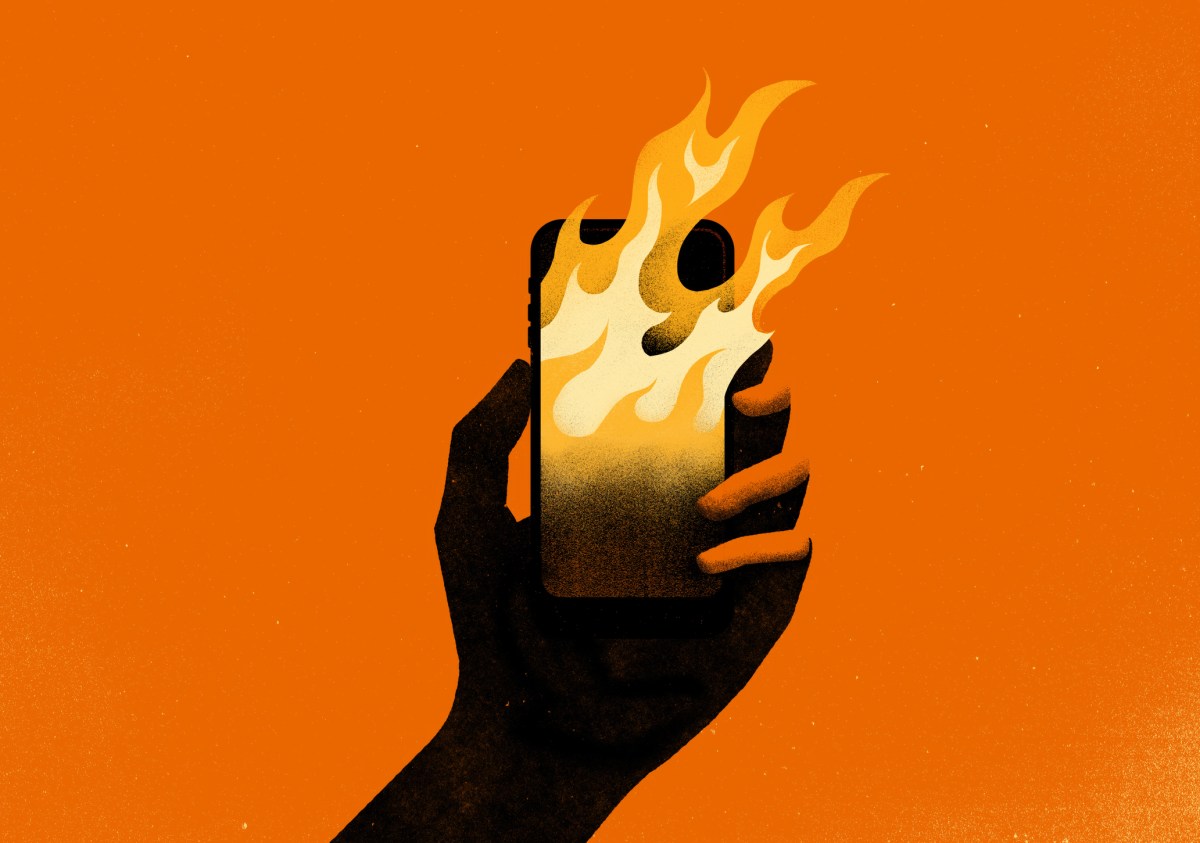
In a world where the ever-present allure of a smartphone has us glued to our screens, it’s easy to feel overwhelmed. These compact devices slip effortlessly into our pockets, always ready to deliver a constant stream of information, entertainment, and, unfortunately, distressing news. It’s no wonder that many of us find ourselves doomscrolling, caught in a cycle of anxiety-inducing content from one app to the next.
But it doesn’t have to be this way. Breaking free from the grip of doomscrolling and reclaiming our attention is possible with some thoughtful strategies.
First, recognize that this isn’t entirely your fault. Our lives are deeply entwined with technology, as companies strive to capture as much of our time as possible. The more we engage, the more they profit, leaving us entangled in a web of notifications and distractions. Acknowledging that the system is designed to consume our attention is a crucial first step in resisting its pull.
To combat this, consider setting screen time limits. While the idea might seem daunting, it offers valuable insight into our digital habits. By turning on features like Apple’s Screen Time, you can track your app usage and establish parameters to help curb excess consumption. Whether it’s managing apps during downtime or setting daily limits, these small changes can make a big difference.
If you’re looking for a bit more structure, try exploring third-party apps designed to help reduce screen time. These tools offer unique approaches to curbing device use. ScreenZen introduces a moment of pause before opening certain apps, while Opal aids productivity by customizing usage limits. Roots emphasizes mindful screen time, and Touch Grass even requires you to venture outdoors to unlock certain features.
When the urge to reach for social media strikes, consider alternative activities that can still be enjoyed on your phone. You might try reading a book through apps like iBooks or Kindle, which allow scrolling for a smoother reading experience. If you’d rather not purchase books, Libby connects to your library for free access to e-books and audiobooks.
Or, if games are more your thing, indulge in quick, engaging options that offer an escape without bombarding you with distressing news. The New York Times Games app provides bite-sized challenges like Wordle, Strands, and the Mini Crossword, giving your mind a refreshing break.
Ultimately, putting strategies in place to control screen time and explore alternative activities can help alleviate the negative effects of doomscrolling. By taking conscious steps to manage our digital interactions, we can cultivate a healthier, more balanced relationship with technology—one that allows us to stay informed without losing ourselves in the abyss of the digital world.


