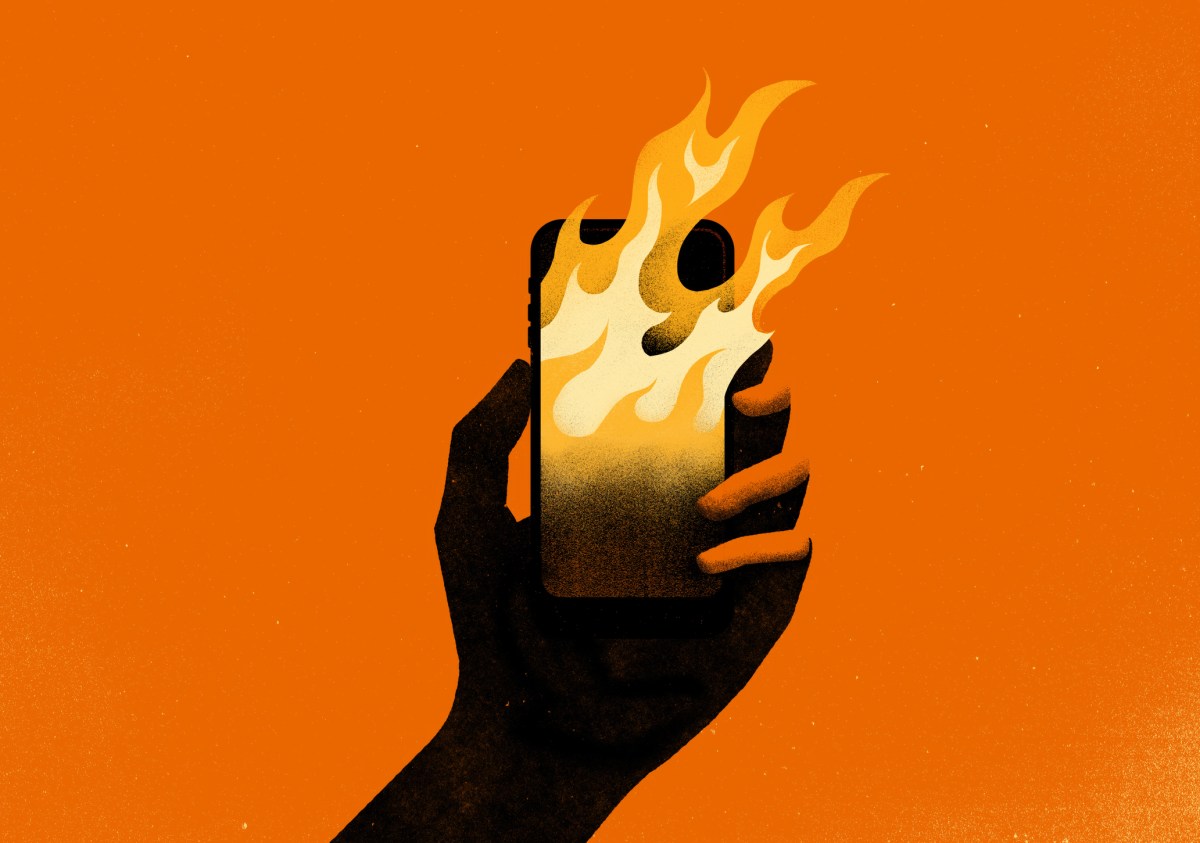
In today’s hyper-connected world, many of us find ourselves glued to the glow of our smartphones, whether we’re following the news, scrolling through social media, or drowning in a sea of entertainment options. Yet amidst this digital vortex, an unsettling habit has emerged—doomscrolling. We’ve all been there, ensnared by the endless scroll through distressing news and sensational content that leaves us feeling overwhelmed. It’s a cycle that’s tough to break, but not impossible. Here’s how you can reclaim your peace of mind and take the first steps towards digital well-being.
Firstly, it’s important to recognize that this isn’t entirely your fault. The tech landscape is designed to capture our attention, much like a moth to a flame. Every notification and recommendation is strategically placed to keep us coming back for more. While it might seem daunting, understanding this can be empowering. Tech giants are not personally targeting us with their strategies; their business models simply thrive on our engagement.
A practical step to combat doomscrolling is setting up screen time limits. Although initially intimidating, tracking your screen usage offers valuable insights into your habits. On iOS, for instance, you can navigate to the Screen Time settings to view your daily averages and impose restrictions that can curb excessive use. By setting downtime and app limitations, you can consciously decide which times and apps are most important for your daily life.
However, Apple’s tools can be easily overridden, which is why some users turn to third-party apps for stricter controls. Innovative apps like ScreenZen and Opal create intentional pauses, prompting you to reconsider before engaging with an app. They introduce game-like elements to motivate you to stick to your set limits, while Roots offers “Monk Mode” for more stringent control, ensuring you can’t surpass your boundaries.
But what happens when the urge to scroll hits and you’re left in a lurch, say, waiting in line for coffee? Look to alternative activities on your phone that steer clear of social media. Reading, for example, can be a rewarding substitute. With apps like iBooks, Kindle, or Libby, you can dive into e-books or audiobooks, turning what used to be mindless scrolling into a chance to learn something new. If literature isn’t your cup of tea at the moment, consider engaging in non-social media games. Bite-sized puzzle games or even quick word games can offer a simple yet effective diversion without the pressure of constant online connectivity.
Ultimately, breaking free from the cycle of doomscrolling involves a conscious effort to shift how we use our devices, seeking a balance that allows for both connection and calm. By setting boundaries and exploring alternative digital activities, we can begin to reclaim our time and focus, steering ourselves towards a more mindful digital existence.