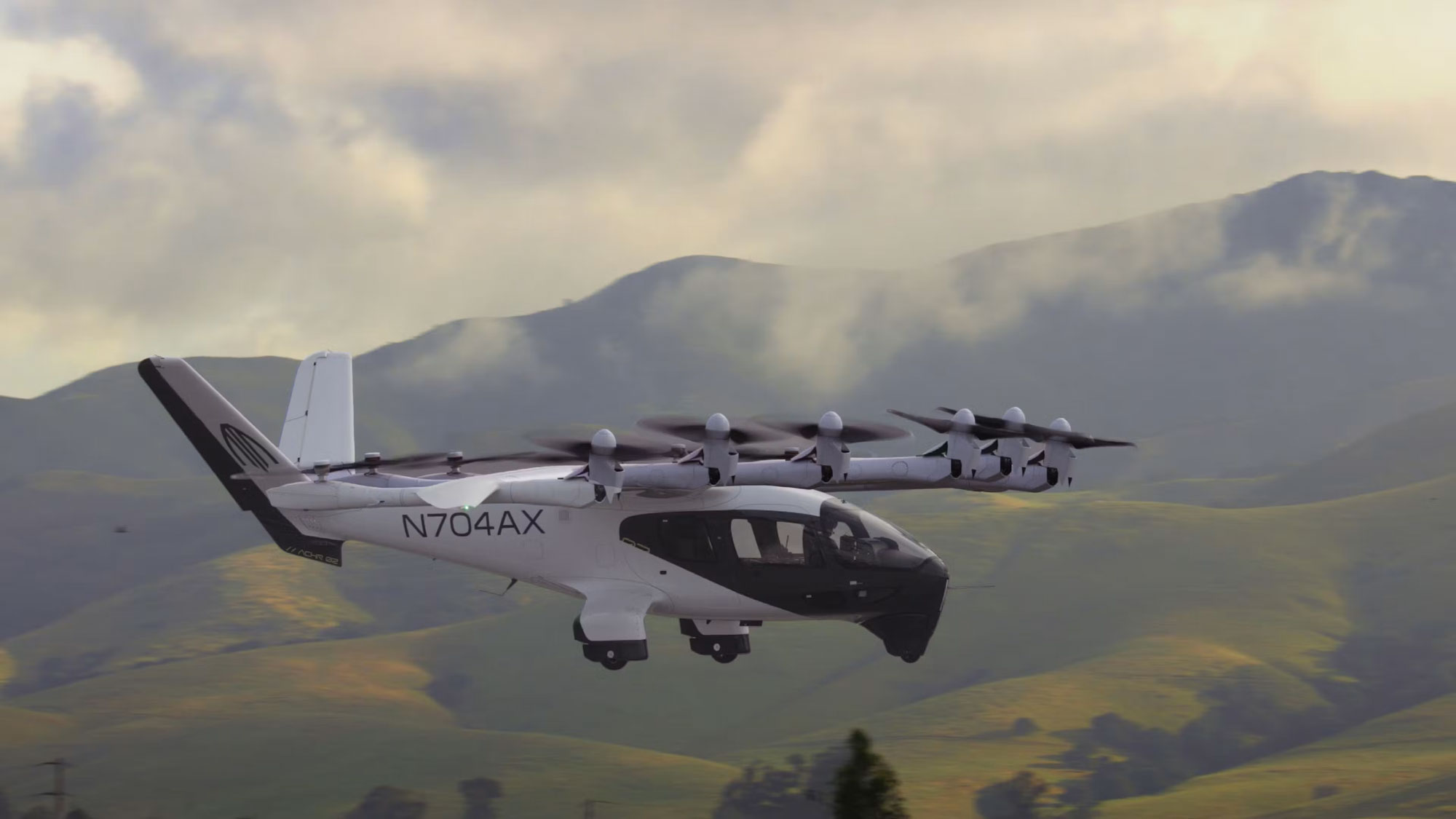
Boeing is stepping back from the electric air taxi race in a major deal that could reshape the future of urban air mobility. The aerospace giant has agreed to sell three advanced aviation businesses to Archer Aviation, while also taking a 19.75% ownership stake in the California-based electric vertical takeoff and landing aircraft developer.
As part of the agreement, Boeing will receive options to buy additional Class A shares in Archer over the next four years. The transaction includes Wisk Aero, SkyGrid, and Insitu, giving Archer access to a wider range of autonomous flight, air traffic management, and unmanned aircraft technologies.
For Archer, the acquisition is a major boost as it works toward launching commercial electric air taxi services. The company is preparing pilot programs in New York, Texas, and Florida before the end of the year, positioning itself as one of the most aggressive players in the emerging eVTOL market.
Wisk Aero is one of the most important pieces of the deal. Founded in 2019 as a joint venture between Boeing and Kitty Hawk, the company has spent years developing autonomous electric aircraft. Wisk has built six generations of eVTOL aircraft and completed more than 1,700 flight tests, making it a valuable asset for Archer’s long-term strategy.
Boeing will not completely walk away from the technology. The company will continue to have access to Wisk’s autonomous flight systems for its commercial aviation and defense programs. Boeing and Archer are also expected to share technology, allowing both companies to benefit from years of investment in next-generation aviation systems.
The deal also includes SkyGrid, a company focused on airspace management software for future urban air mobility networks. As electric air taxis and drones become more common, advanced traffic management systems will be critical for safe and efficient operations in crowded city skies.
Insitu is another significant addition. The company develops long-endurance unmanned aircraft, including systems used by the U.S. military. Its inclusion gives Archer a stronger foothold in defense aviation, an area the company has already begun targeting.
Archer recently expanded its defense ambitions by revealing a military-focused eVTOL aircraft developed with Anduril Industries. By acquiring Boeing’s advanced aviation subsidiaries, Archer gains technology, expertise, and production experience that could help speed up both commercial and defense-related projects.
For Boeing, the sale reflects a sharper focus on its core aircraft business. The company is working through a massive order backlog valued at roughly $715 billion, representing more than 6,200 aircraft still awaiting delivery. By transferring these advanced mobility businesses to Archer, Boeing can concentrate more heavily on commercial airplane production while still maintaining exposure to the future of autonomous and electric flight.
Boeing said the move should help the acquired businesses accelerate product development under Archer’s ownership, while allowing Boeing to continue benefiting from technologies it has supported for nearly two decades.
Archer CEO Adam Goldstein called the acquisition a watershed moment for the company, saying it would help diversify Archer’s business and accelerate revenue growth. The deal could also strengthen Archer’s position against competitors in the increasingly crowded electric air taxi industry.
The agreement also marks a dramatic turn in the relationship between Archer and Wisk. In 2021, Wisk filed a lawsuit against Archer, accusing the company of trade secret theft and patent infringement. That dispute was settled in 2023, with Wisk becoming Archer’s exclusive provider of autonomous flight technology.
Now, with Wisk, SkyGrid, and Insitu moving under Archer’s umbrella, the company is gaining a much larger technology platform at a critical moment for the eVTOL industry. If Archer can bring air taxi services to market as planned, this acquisition may prove to be one of the key deals that helped push electric urban aviation closer to everyday reality.