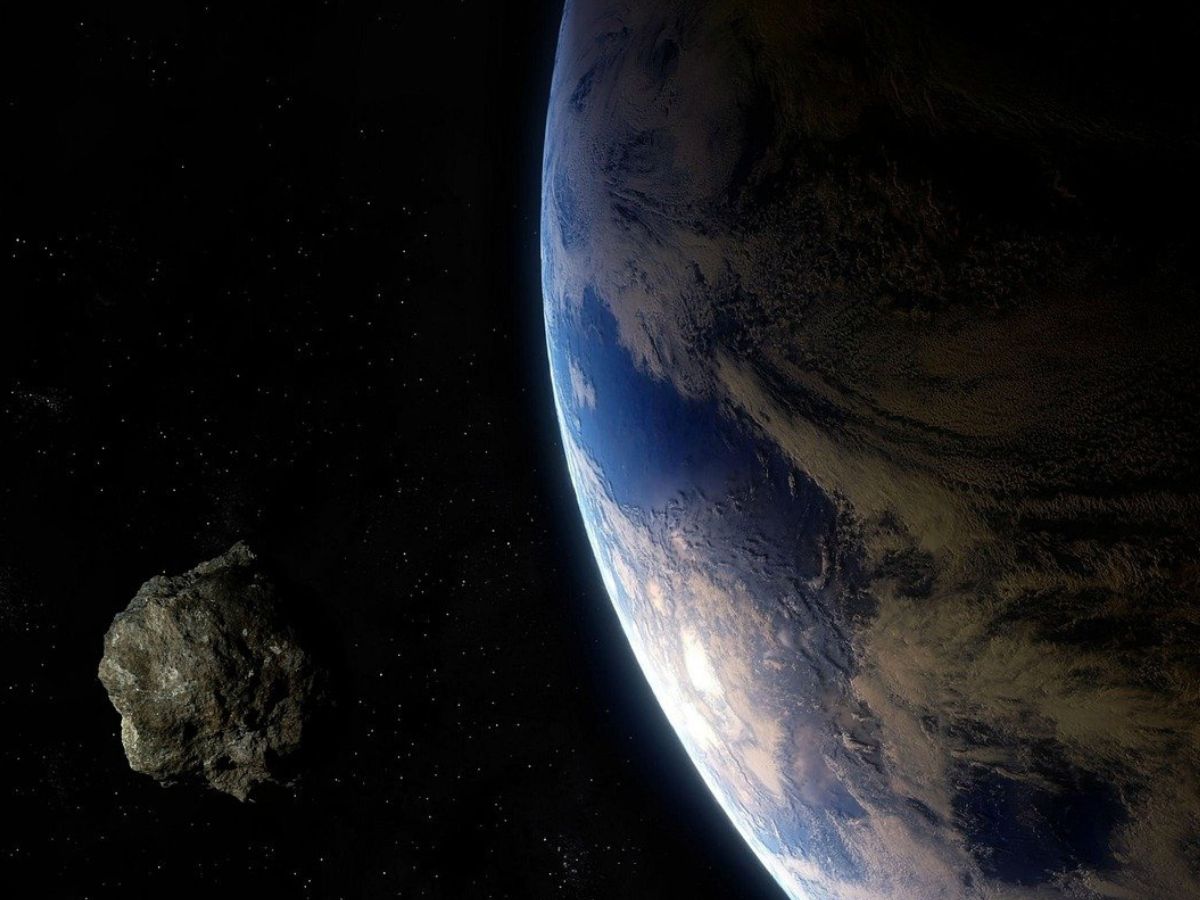
The asteroid belt between Mars and Jupiter is slowly fading—and that could reshape our solar system over immense timescales. Long thought of as one of space’s most enduring fixtures, this vast ring of rock and debris never coalesced into a planet because Jupiter’s powerful gravity disrupted its formation. Now, astronomers say the belt is gradually losing mass.
A research team from the astronomy department at the Universidad de la República in Uruguay estimates the main belt is shedding about 0.0088% of its active mass every million years. That may sound tiny, but across millions upon millions of years, it adds up.
What’s driving the decline? Two key processes. First, the lion’s share—around 80% of the belt’s slow thinning—comes from asteroids smashing into one another. These high-speed collisions grind larger objects into ever-finer dust that can be pushed away or dispersed over time. Second, some asteroids are nudged into gravitationally unstable regions and ultimately ejected. Those wayward rocks can be sent on trajectories toward other parts of the solar system, including paths that cross the orbits of Mercury, Earth, Mars, or even Jupiter.
Paradoxically, a belt that’s slowly losing material could mean fewer potential impacts on planets in the very long run, since there would be less debris to be diverted inward. But this is cosmic change on a cosmic clock. The process is extremely slow, and the belt won’t vanish anytime soon; it would take many millions of years for any dramatic transformation to occur.
For now, the main asteroid belt remains a defining feature of our solar neighborhood—evidence of a planet that never formed and a reminder of how Jupiter’s gravity shapes the architecture of the solar system. As astronomers refine their models and track these subtle shifts, we’re gaining a clearer view of the past and future of the space between Mars and Jupiter.