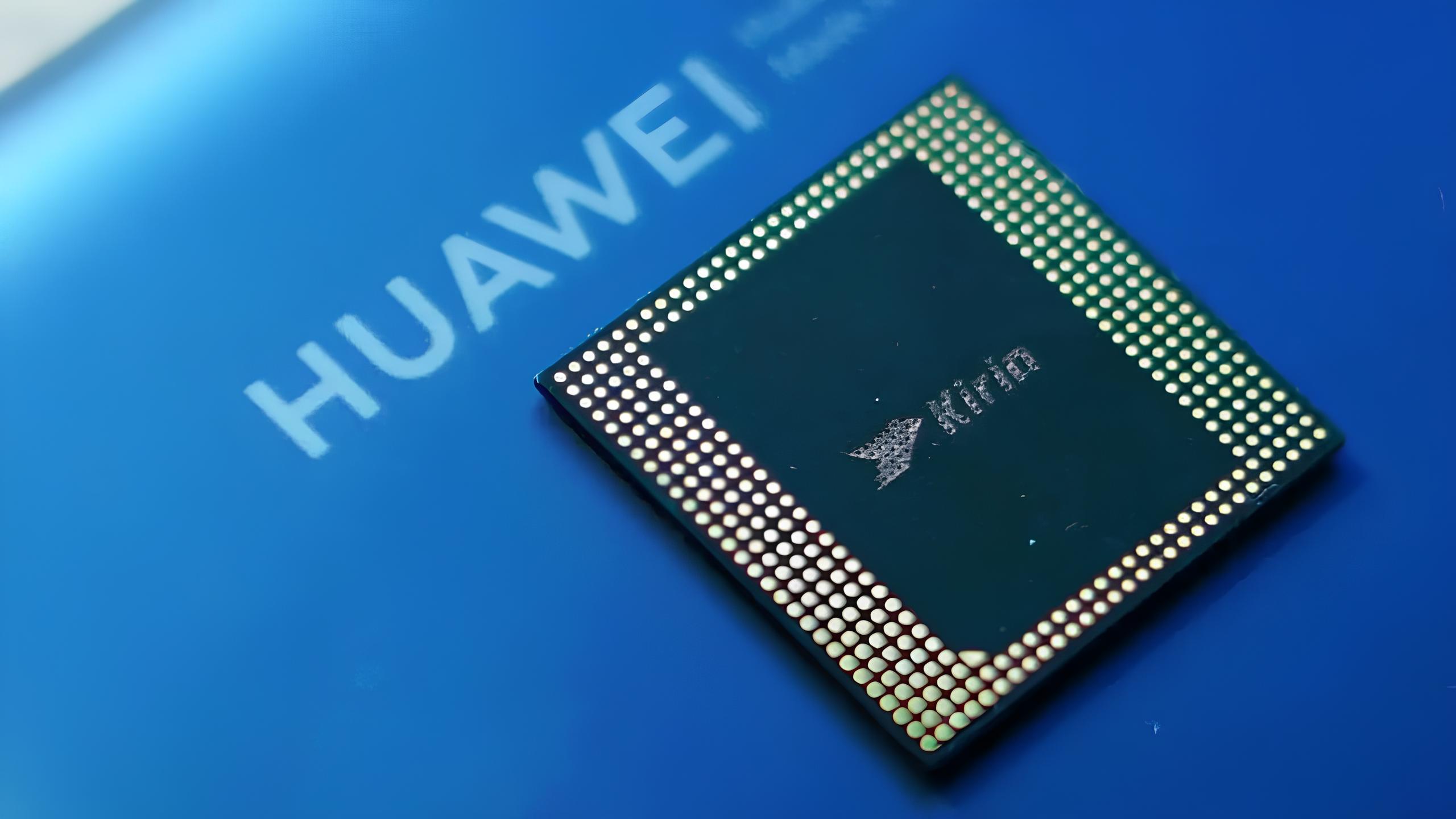
Huawei’s next flagship chipset, the Kirin 9030, is widely expected to power the upcoming Mate 80 series, and its first appearance in Geekbench 6 has now put some early performance numbers on the board. While Huawei has reportedly moved from an 8-core design in the Kirin 9020 to a new 9-core CPU setup, the initial benchmark results suggest the Kirin 9030 still has a steep hill to climb to compete with today’s top-tier mobile processors.
Early Geekbench 6 listings show the Kirin 9030 using a 1 + 4 + 4 CPU cluster. The fastest prime core is reported at up to 2.75GHz, while the other eight cores appear to run at 2.27GHz and 1.72GHz. A well-known tipster on Weibo claims the chip may not be performing at its full potential in these tests, so these figures may not represent final, optimized performance. The same source also suggests the Kirin 9030 is being mass-produced on SMIC’s “N+3” manufacturing process and believes the new chip improves on earlier Kirin generations.
Even with that context, the current leaked scores look underwhelming. In Geekbench 6, the Kirin 9030 records 1,131 points in single-core and 4,277 points in multi-core. Those numbers place it far behind the fastest smartphone silicon currently setting the pace in both single-threaded and multi-threaded workloads.
When compared directly against leading flagship chipsets, the gap becomes hard to ignore:
The Snapdragon 8 Elite Gen 5 posts 3,629 single-core and 10,488 multi-core, making it 320.9 percent faster in single-core and 245.2 percent faster in multi-core performance than the Kirin 9030 in this dataset.
MediaTek’s Dimensity 9500 scores 3,394 single-core and 9,974 multi-core, translating to a 300.1 percent lead in single-core and 233.2 percent in multi-core.
The A19 Pro leads the single-core race with 3,920 points and reaches 10,011 in multi-core, putting it 346.6 percent ahead in single-core and 234.1 percent ahead in multi-core versus the Kirin 9030’s current results.
In other words, whether you look at single-core speed (which impacts everyday responsiveness and app performance) or multi-core throughput (which helps with heavier workloads like rendering, multitasking, and complex computing tasks), the Kirin 9030’s early showing is significantly behind the best Android and Apple alternatives.
There are a few more hardware hints, too. The Kirin 9030 is said to pair its CPU with a Maleoon 935 GPU, though no clock speed or detailed graphics performance information has surfaced yet. That makes it difficult to judge gaming and GPU-accelerated workloads, but the CPU results alone suggest Huawei needs further optimization—or a more substantial platform leap—to close the performance gap.
For now, the smartest takeaway is that these are early Geekbench 6 numbers and could improve with retesting, software tuning, and final production firmware. Still, based on what’s currently visible, the Kirin 9030 doesn’t yet look like a true flagship challenger in raw benchmark performance, especially against the Snapdragon 8 Elite Gen 5, Dimensity 9500, and A19 Pro.