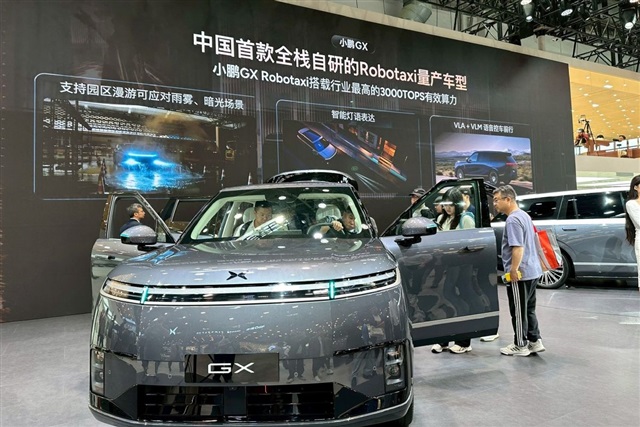
The 2026 Beijing Auto Show made one thing clear: the auto industry’s next battleground isn’t about who can roll out the most new models. It’s about who can deliver the smartest driving experience, the most capable self-driving technology, and the strongest ecosystem behind the scenes.
According to observations from DIGITIMES Research, this year’s show highlighted a noticeable shift in competitive priorities. Instead of focusing mainly on volume and rapid-fire vehicle launches, automakers and technology partners are increasingly emphasizing advanced driver-assistance systems, AI-driven cockpit experiences, and deeper coordination across the supply chain.
A major theme at the event was the growing importance of self-driving systems and next-generation ADAS. The spotlight is moving toward how well vehicles can perceive their surroundings, make driving decisions, and reduce driver workload in real-world conditions. For brands looking to stand out, software and sensor integration are becoming just as important as design, performance, or range.
Equally prominent was the rise of the AI-powered cockpit. This is more than an upgraded infotainment screen. The show signaled momentum toward in-car platforms that can intelligently respond to driver needs, personalize settings, and support a more connected, assistant-like experience. As consumer expectations rise, the in-vehicle interface is quickly becoming a key selling point and a major area of differentiation.
Behind the technology on the show floor, another shift is taking shape: stronger supply chain collaborations. DIGITIMES Research noted that integrated partnerships across components, systems, and manufacturing are gaining attention, suggesting companies are prioritizing speed, resilience, and tighter coordination to compete effectively. In an environment where hardware and software must evolve together, collaboration is becoming a strategic advantage.
Overall, the 2026 Beijing Auto Show reflects a broader transformation across the global automotive market. The industry is moving toward a future defined by intelligent driving, AI-centric user experiences, and tightly connected supply networks. For automakers and suppliers alike, the message is straightforward: the next phase of competition will be won by those who can build not just cars, but complete technology-driven mobility platforms.