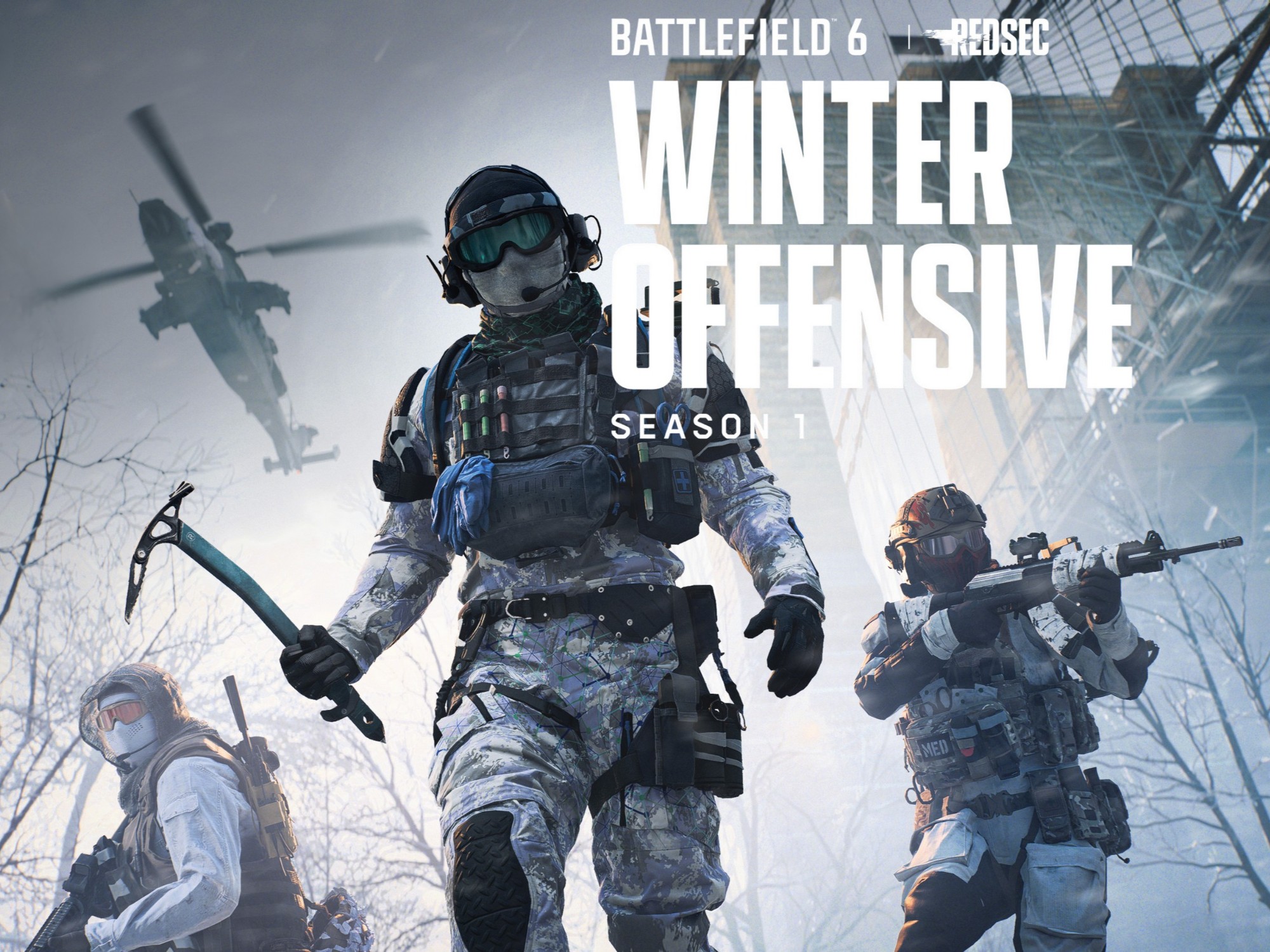
Battlefield 6 is getting pulled into a growing debate over generative AI in video games, and fans aren’t happy. After other releases were criticized for using AI-generated visuals, players have started scrutinizing big upcoming titles more closely. Now Battlefield 6 is facing its own wave of suspicion, largely because some newly surfaced art assets look like they may have been created with generative AI—despite earlier assurances that the finished game would avoid it.
The current Battlefield 6 AI controversy centers on artwork that doesn’t feel consistent with the series’ usual style or with what players expect from a major shooter. The discussion picked up steam as fans compared icons and promotional-style images, pointing out irregularities that are often associated with machine-generated art. These aren’t just “it looks weird” reactions, either. Players are highlighting specific visual mistakes that human artists typically wouldn’t make, but AI tools still frequently do.
One of the first pieces that raised eyebrows was a thumbnail tied to a user-created Portal mode. The example being discussed is a cartoonish image attached to “RPGs vs Golf Carts,” which stands out sharply compared to the more grounded, realistic artwork found elsewhere. That said, Portal content is community-driven, so that particular thumbnail may not reflect what the developers themselves created. It’s unusual, but not necessarily proof of anything on the studio side.
The bigger concern involves an icon spotted on the Battlefield 6 storefront linked to winter-themed content. The image shows a snowflake-like background behind an unconventional weapon design—and the weapon is where fans say the red flags really begin. The most talked-about error is the gun appearing to have two barrels, a configuration that doesn’t match recognizable weapons used in matches or typical Battlefield design logic. To many players, it looks like the kind of “almost right, but not quite” object that generative AI often produces.
In ongoing community discussions, players also claim they’ve noticed additional suspicious details in related imagery, including anatomy problems such as a missing index finger. These kinds of mistakes have become a common tell in AI-generated visuals. Even as generative tools improve, small but fundamental errors—especially around hands, fingers, and mechanical structure—still slip through regularly.
What makes this situation more frustrating for fans is the expectation that Battlefield 6 would steer clear of AI-generated art in the final product. Earlier comments from leadership indicated that while AI may have been involved during planning or early-stage processes, the retail release wouldn’t rely on the technology. If AI-generated art is now appearing in storefront assets or promotional icons, players see it as a potential step back from that promise.
There’s also a wider industry context: publishers are increasingly exploring AI as a way to speed up production and reduce costs, particularly for seasonal updates and live-service content drops. Battlefield games depend heavily on post-launch updates and marketplace items to keep engagement high and drive revenue over time. That kind of content treadmill can create pressure to produce a constant stream of fresh cosmetics, icons, and promotional images—exactly the kind of work some companies may be tempted to automate.
At this point, nothing presented publicly appears to be a definitive confirmation. But the controversy highlights how sensitive players are becoming to the use of generative AI in games, especially when companies have previously suggested a more cautious approach. For Battlefield 6, the key questions now are simple: whether AI was used in any final, player-facing art assets—and if so, whether the studio will address it clearly before launch or as post-launch content rolls out.


