New Xbox hardware for 2027 may be in doubt as price hikes and shifting strategy cloud Microsoft’s console plans
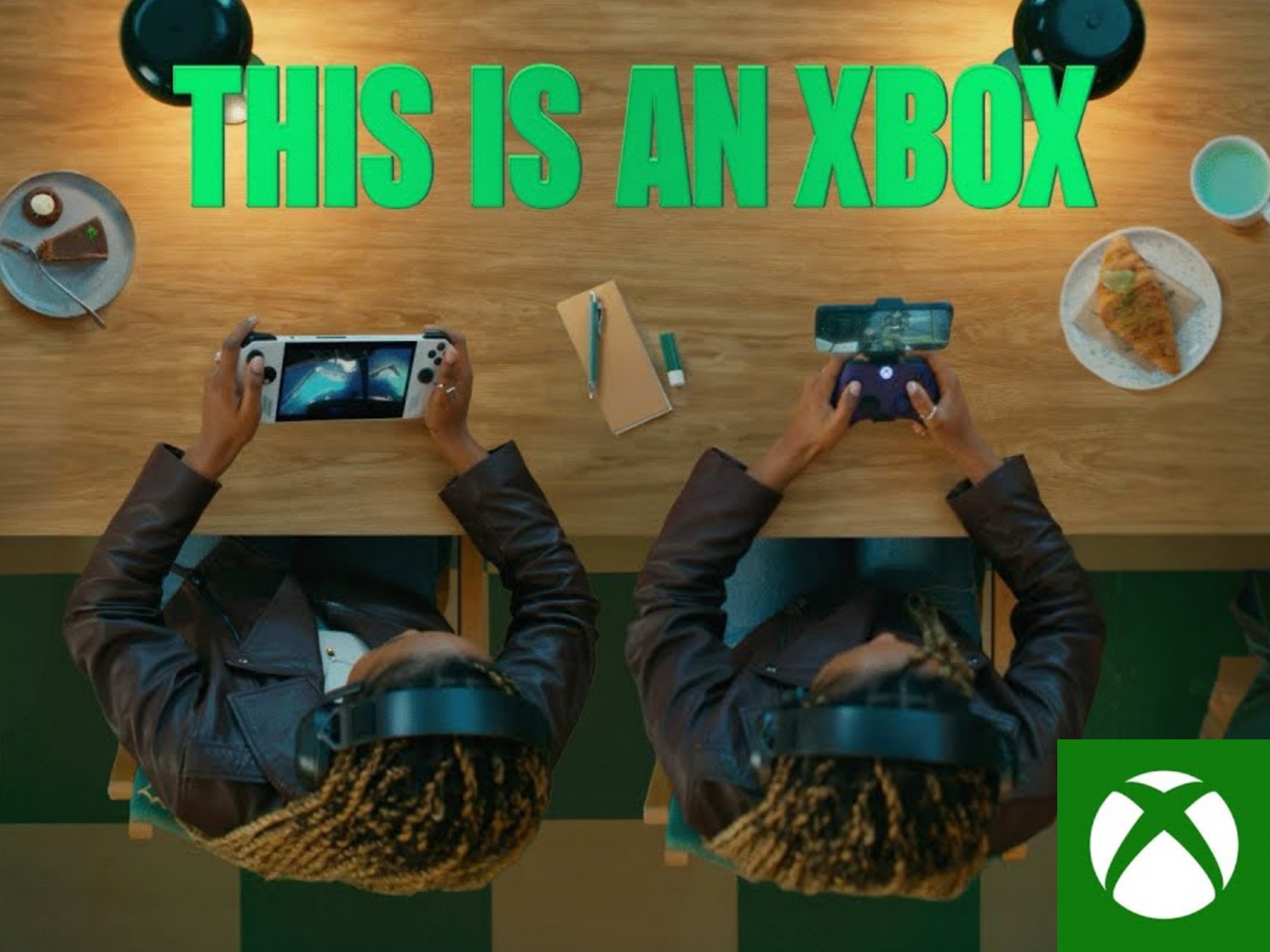
A next-generation Xbox once rumored for 2027 is no longer a sure thing, according to a known industry watcher. The insider claims Microsoft is re-evaluating its hardware roadmap and leaning harder into cross-platform publishing, Xbox Game Pass, and cloud gaming—moves that could sideline a traditional console launch.
The renewed uncertainty arrives on the heels of another price increase for the current Xbox Series X|S lineup. With console prices rising five years into the generation, both consumers and retailers are reportedly questioning the value proposition, especially with no clear hardware strategy in sight. One major warehouse chain has already backed away from Xbox hardware, a signal some see as a broader retail confidence issue rather than a temporary blip.
Why the next Xbox is suddenly “up in the air”
The insider, posting as SneakersSO on NeoGAF, says Microsoft’s previously “definitive” plans for new Xbox hardware have become uncertain. That’s notable because internal communications in 2024 boosted expectations for a true next-gen successor to Series X, and even hinted at a handheld device alongside it. A chip partnership announced in June also appeared to reinforce the idea that new silicon—and therefore new hardware—was inevitable.
Despite that, the insider believes plans that were progressing have been scaled back or paused, with Microsoft increasingly eyeing a future as a multi-platform publisher. That could include deeper cooperation with third-party device makers, while concentrating its energies on services like Game Pass, day-one releases on rival platforms, and cloud streaming.
Retailer skepticism and the value problem
Rising prices on aging consoles have created a perception gap for buyers. When the cost of existing hardware climbs rather than falls late in a cycle, shoppers hesitate—and so do stores. Discount-oriented retailers are especially wary of stocking even pricier new machines if demand slows and margins shrink. Add ongoing tariff noise to the mix, and enticing mainstream buyers to upgrade becomes harder. There’s currently no reliable sign that Sony will delay its next system, which could put extra pressure on Microsoft’s hardware calculus if a direct head-to-head launch becomes risky.
A strategy years in the making
Even if the latest claims prove premature, the broader strategic drift has been visible for some time. Without a slate of must-have exclusives, a new console is a tougher sell, a point echoed by former Microsoft veterans over the years. The massive acquisition of Activision Blizzard further signaled a long-term shift toward content scale, subscriptions, and reach across more devices—not necessarily a singular bet on proprietary hardware.
Important caveats
As with any unverified leak, treat this as informed speculation rather than confirmation. SneakersSO does not have an extensive public track record, and plans can change quickly inside large companies. Still, the claims align with mounting market signals: recurring price hikes, an intensified services push, and more Xbox-published games appearing outside the Xbox ecosystem.
What this means for gamers
– Expect more Xbox-published titles on rival consoles and PC: If Microsoft prioritizes publishing over platform, multi-platform releases will likely expand.
– Services first: Game Pass and cloud streaming could see new tiers, bundles, or promos aimed at growing subscriber numbers rather than driving hardware upgrades.
– Handheld uncertainty: A portable Xbox experience remains plausible via partnerships or Windows-based devices, but a first-party handheld is far from guaranteed.
– Backward compatibility questions: If a new console does materialize, compatibility with prior libraries will be a major selling point—or a major risk if it’s compromised.
What to watch next
– Pricing strategy: Further increases—or sudden discounts and bundle blowouts—often foreshadow bigger strategic pivots.
– Retailer behavior: Pullbacks or aggressive clearance sales indicate how confident stores are in future hardware demand.
– Silicon partnerships: Any new chip news or developer kits entering studios would signal momentum behind a device.
– Subscription changes: Adjustments to Game Pass value, perks, or cloud access can reveal where Microsoft wants players to spend time and money.
The bottom line
Talk of a 2027 Xbox isn’t dead, but it’s less certain than it seemed a few months ago. Microsoft appears increasingly focused on putting games where players already are—across consoles, PC, and the cloud—rather than betting everything on a single box under the TV. If that direction holds, the next big leap for Xbox may arrive as a service evolution and content slate, not a traditional console reveal.