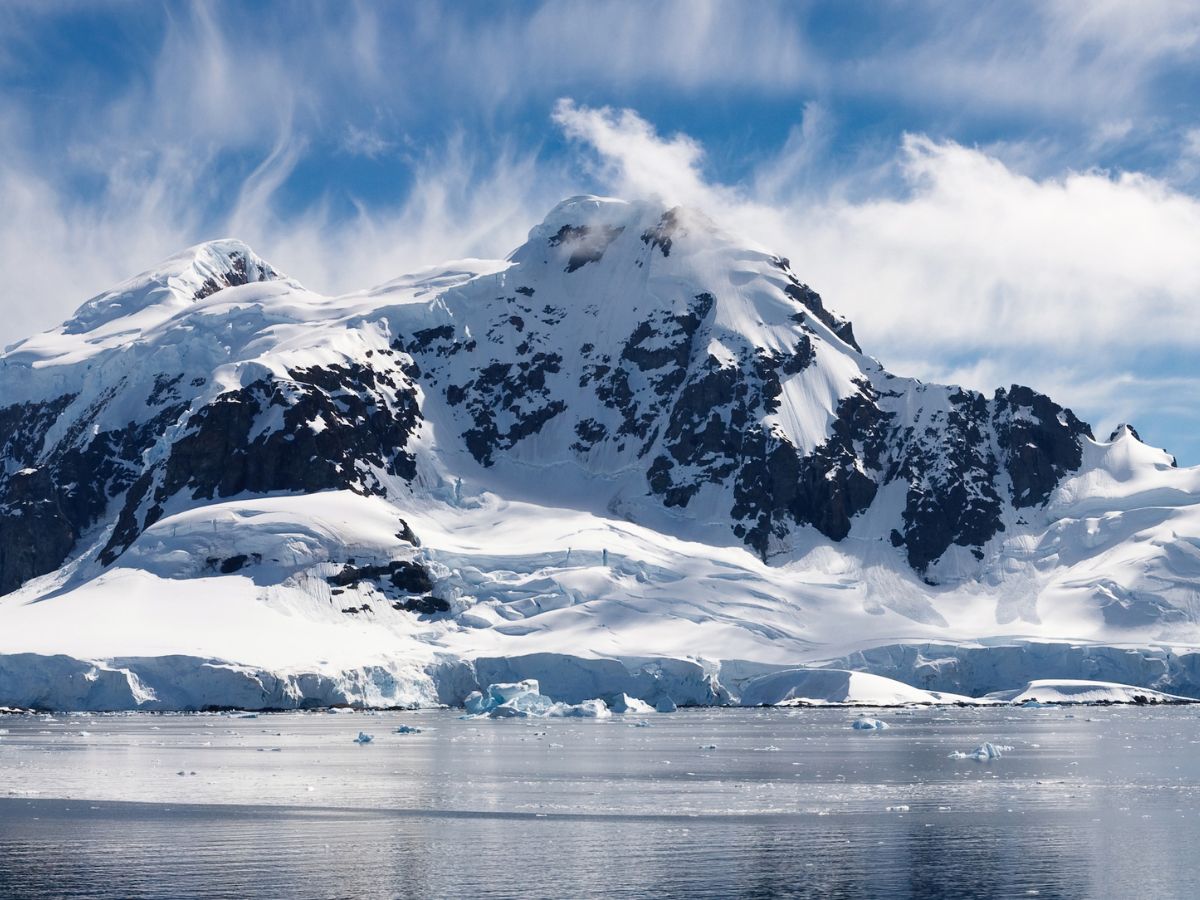
An intriguing scenario suggests that global warming could potentially activate dormant volcanoes in Antarctica, leading to powerful eruptions. Researchers are increasingly concerned about a destructive cycle stemming from such natural events.
As the planet’s temperatures continue to rise, melting glaciers may incite volcanic activity reminiscent of a science fiction narrative. This idea is being considered following studies conducted in the Chilean Andes, and similar occurrences are already evident in Iceland. Researchers from the University of Wisconsin-Madison are investigating the connection between melting glaciers and volcanic eruptions, concentrating on six specific volcanoes in Chile.
To understand the present threat, we must look back over 13,000 years to the last ice age. During that era, thick ice layers compressed magma chambers, limiting both the frequency and intensity of eruptions. Analyses indicate that magma was stored at depths between 10 and 15 kilometers. However, as the Earth warmed, this pressure diminished, resulting in intense volcanic activity that fragmented rocks and land.
Currently, Antarctica’s volcanoes are under scrutiny due to the risk of awakening from global warming. The concern is that these eruptions may emit aerosols into the atmosphere. Should these events occur in quick succession, they could potentially accelerate global warming. In essence, the melting ice could fuel further volcanic activity, creating a challenging feedback loop.
Regions like Alaska and New Zealand, known for their subglacial volcanoes, are being closely watched. As these developments unfold, the environmental implications could be significant, emphasizing the importance of understanding and mitigating the effects of climate change.