AMD’s most affordable RDNA 4 graphics card may be getting closer to launch, and new details suggest it could arrive in two different memory options aimed at budget PC gamers.
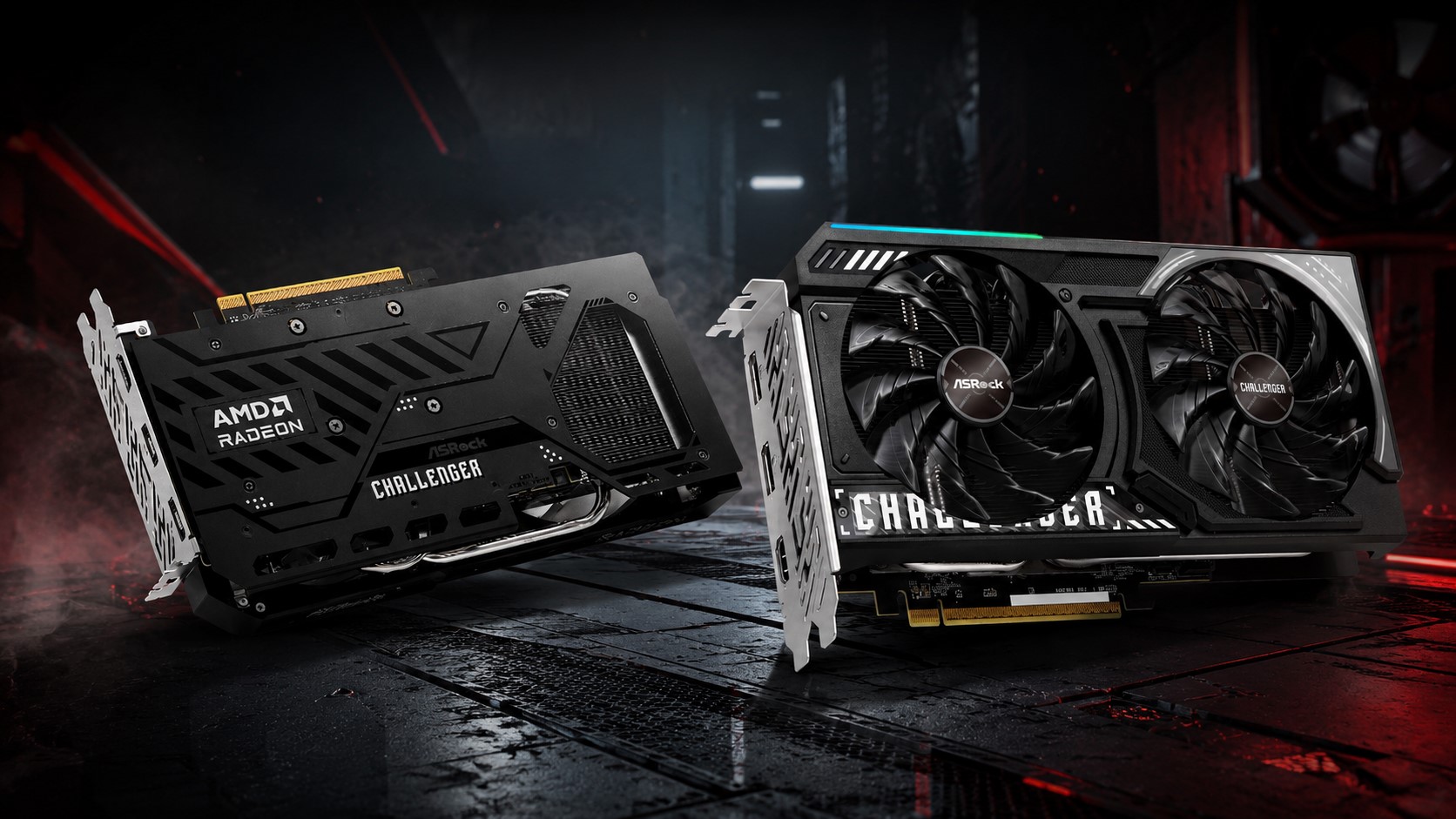
The Radeon RX 9050 has not been officially announced by AMD, but recent activity from ASRock has added more weight to the idea that the entry-level GPU is real. Product pages for ASRock Radeon RX 9050 Challenger graphics cards briefly appeared on the company’s website before being removed, revealing key specifications for both 4 GB and 8 GB models.
According to the listed details, the Radeon RX 9050 Challenger series will feature 16 Compute Units and 1024 Stream Processors. That makes it a much smaller GPU compared to the Radeon RX 9060 XT, with roughly half the shader count. Even so, it could become an important option in the low-cost GPU market, especially for users building affordable gaming PCs or upgrading from older entry-level graphics cards.
The most interesting part of the leak is the memory setup. ASRock’s listings showed two versions of the RX 9050: one with 4 GB of VRAM and another with 8 GB. While both cards appear to use the same GPU core, their memory configurations are significantly different.
The 4 GB Radeon RX 9050 is expected to use a 64-bit memory bus, while the 8 GB model is listed with a wider 128-bit bus. That difference could have a noticeable impact on gaming performance, especially in modern titles where memory bandwidth and VRAM capacity play a major role. The 8 GB version will likely be the more practical choice for gamers who want better longevity, smoother textures, and improved performance at 1080p.
Both RX 9050 models are also expected to include ray tracing cores and AI accelerators, bringing them in line with the broader RDNA 4 GPU family. While this does not mean the card will be designed for high-end ray tracing performance, it does suggest AMD intends to bring its newer graphics features to even its cheapest current-generation GPUs.
Clock speeds also look promising for an entry-level graphics card. The ASRock listings reportedly showed a base clock of 1920 MHz and a boost clock of up to 2600 MHz for both the 4 GB and 8 GB versions. That should help the RX 9050 deliver reasonable performance in esports titles, lighter AAA games, and everyday graphics workloads.
Power requirements remain unclear, as the listed specifications did not reveal the exact board power rating. However, ASRock recommended a 450W power supply, which suggests the RX 9050 should be easy to pair with most budget and mid-range desktop systems. If the card does not require heavy power delivery, it could appeal to users looking for a simple GPU upgrade without replacing their power supply.
At this stage, AMD has still not officially confirmed the Radeon RX 9050, and there is no confirmed release date. It is also unclear whether ASRock plans to sell the card globally or only in select regions. However, the appearance of official product pages strongly suggests the GPU is being prepared for launch.
If priced aggressively, the Radeon RX 9050 could become AMD’s cheapest RDNA 4 graphics card and a direct option for gamers looking for an affordable 1080p GPU. The 4 GB model may target basic gaming and office systems, while the 8 GB version could offer a much better balance for modern PC gaming.
For budget builders, the Radeon RX 9050 is shaping up to be a card worth watching. Its combination of RDNA 4 features, up to 8 GB of VRAM, 1024 Stream Processors, and boost clocks up to 2600 MHz could make it one of the more interesting low-end GPU releases if AMD and its partners bring it to market at the right price.