Global smartphone shipments edged up by 2% year over year in 2025, marking the industry’s second straight year of growth, according to new findings from Counterpoint Research. After a turbulent stretch for the mobile market, the rebound signals that consumers are once again upgrading—especially when new devices offer meaningful improvements in performance, connectivity, and on-device intelligence.
A major force behind the momentum in 2025 was the accelerating shift toward AI-powered smartphones. More buyers are prioritizing devices that can handle advanced features such as smarter photo processing, real-time voice and text tools, more capable assistants, and improved efficiency that helps extend battery life. As these AI experiences become more practical and more widely available, they’re quickly turning into a key reason to upgrade.
At the same time, demand continued to climb for premium smartphones and 5G-enabled models. Faster networks, improved camera systems, higher-quality displays, and better long-term software support have helped push shoppers toward higher-end devices, even as many remain selective about when and why they replace their phones. In many markets, the decision to upgrade is increasingly tied to long-term value—buying a more capable phone now to keep it for longer.
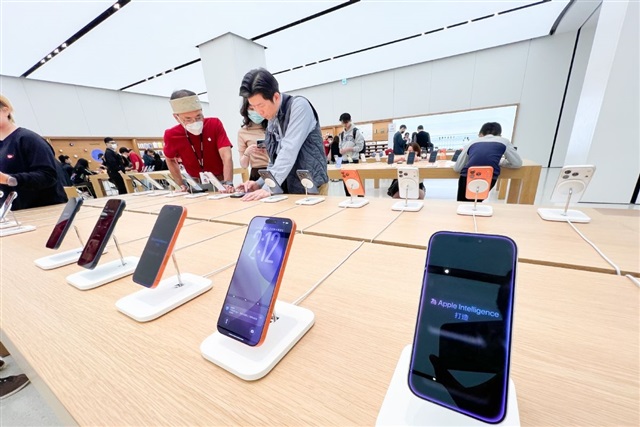
Counterpoint’s report highlights Apple as the top performer in global smartphone sales in 2025, benefiting from an upgrade-focused strategy that encourages users in its ecosystem to move to newer models. That approach appears to be resonating as customers look for more powerful chips, improved cameras, and AI-ready performance—features that have become central to the modern smartphone buying decision.
Looking ahead, the broader takeaway from 2025 is clear: the smartphone market is growing again, and the strongest demand is concentrated around AI features, premium builds, and 5G connectivity. For consumers, it means the fastest-growing segment of the market is no longer just about basic upgrades—it’s about getting a device built for next-generation experiences.