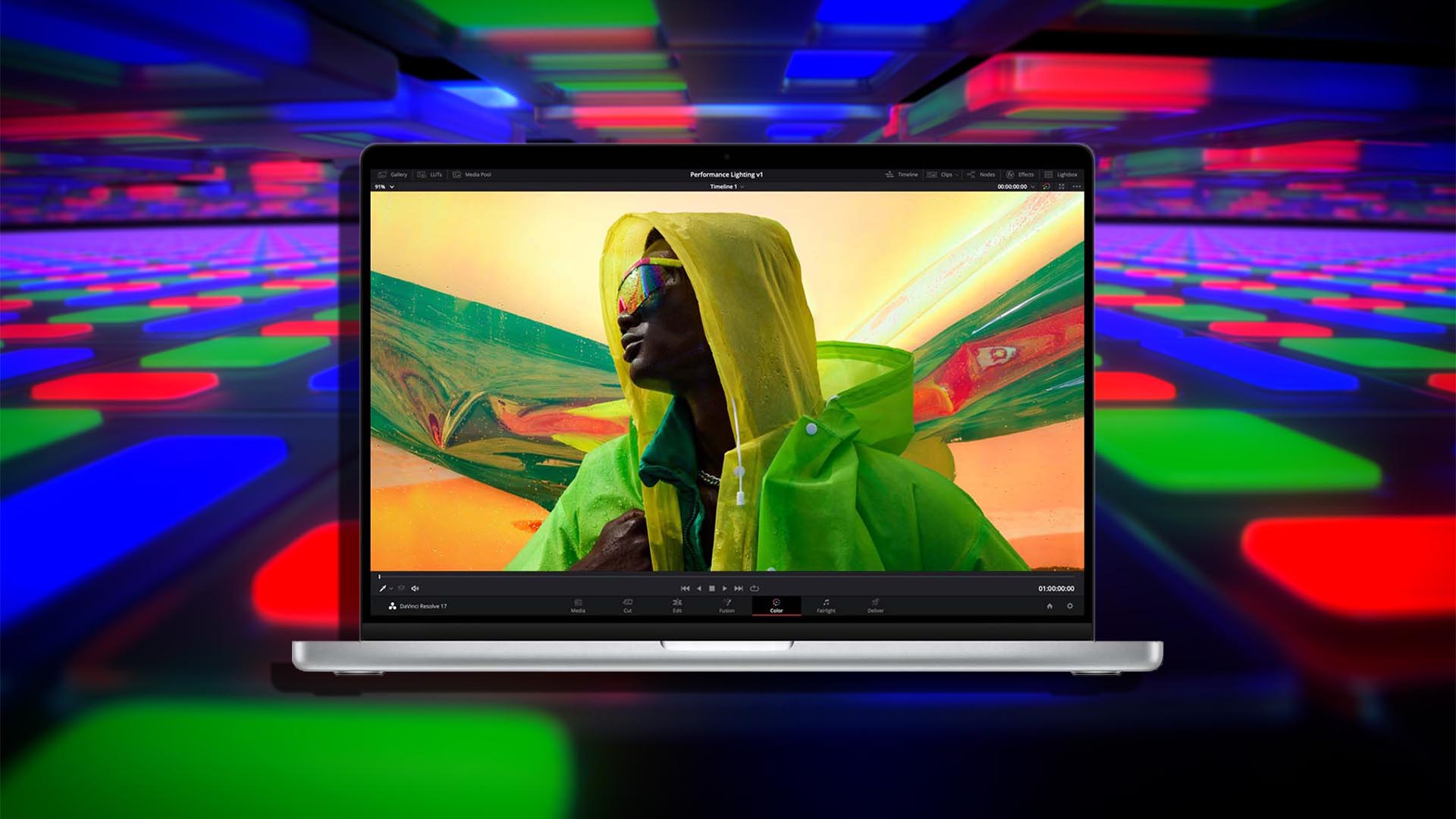
Apple’s push to bring OLED displays to nearly every major device is picking up speed, and 2026 could be the year that shift becomes impossible to ignore. After years of relying on LCD and then mini-LED across parts of its lineup, Apple is now expected to expand OLED well beyond the iPhone and Apple Watch—reaching more iPads and Macs through 2028.
The first big milestone is expected to arrive with Apple’s redesigned M6 MacBook Pro, which is rumored to drop mini-LED for the first time in favor of OLED. But this won’t be a one-size-fits-all upgrade. Different Apple products are expected to receive different types of OLED panels, with the most advanced versions reserved for the company’s higher-end models.
A report outlines a clear OLED rollout window from 2026 to 2028, with OLED displays gradually extending to five additional product lines: iPad mini, MacBook Pro, iPad Air, iMac, and MacBook Air. Apple already uses OLED in iPhones and Apple Watches, and began bringing OLED to iPads in 2024, so this next phase is positioned as a broader, multi-device transition rather than a one-off experiment.
Not all OLED panels are equal, and that’s where things get especially interesting for shoppers. The M6 MacBook Pro is expected to be the first Apple laptop to feature tandem OLED, a higher-end approach that can improve brightness and longevity compared to more standard OLED implementations. However, the premium display upgrade reportedly won’t be available across the entire MacBook Pro range. It’s expected to be tied to the more expensive M6 Pro and M6 Max configurations, alongside other major changes such as touchscreen support and a redesigned hinge. In other words, Apple may use OLED not just as a spec bump, but as part of a broader “next-gen” MacBook Pro package that separates premium models from the rest.
The next Apple product likely to move to OLED after the M6 MacBook Pro is the iPad mini 8. The timing being discussed points to a launch in Q3 or Q4 of 2026. Unlike what some might expect, the iPad mini 8 is rumored to use an LTPS OLED panel rather than LTPO. That distinction matters because LTPO is typically associated with more advanced power-saving variable refresh rate behavior, while LTPS OLED can be a more cost-conscious step into OLED—suggesting Apple may try to balance picture quality improvements with price and supply considerations.
Supply chain readiness will play a major role in how quickly Apple can flip the OLED switch across the lineup. Radiant, a key supplier of backlight modules, is reportedly positioning itself to benefit during the period where Apple balances older display technologies with emerging ones. While OLED doesn’t use the same backlight approach as LCD or mini-LED, the broader transition affects component demand across Apple’s ecosystem, and suppliers are adjusting accordingly.
On the manufacturing side, Samsung is said to be the exclusive supplier for the iPad mini 8’s OLED panels. The company has also reportedly begun mass production of 8.6-generation OLED panels that are expected to be used in the M6 MacBook Pro family. That same production capability is also expected to support OLED expansion into other Macs in the future, including the MacBook Air.
Still, the MacBook Air’s move to OLED may take longer than many fans hope. While the Air is expected to eventually receive OLED, Apple is reportedly taking a slower path for its more affordable laptops, with a shift potentially delayed until 2029. That delay likely comes down to a familiar mix of factors: costs, yield rates, supplier capacity, and Apple’s insistence on specific performance targets at a scale that makes financial sense.
In the end, Apple may want OLED everywhere, but timelines depend on more than desire. Pricing pressure, production ramp-ups, and component availability all influence how quickly OLED can spread across iPads and Macs. What does seem increasingly clear, though, is that Apple’s OLED era is no longer limited to the iPhone—it’s steadily becoming the display standard across the wider ecosystem.