OpenAI is rolling out a new, lower-cost subscription called ChatGPT Go, designed for people who want more capability than the free plan without paying premium prices. The new tier costs $8 per month and is billed as an “affordable” way to get expanded access to OpenAI’s latest GPT-5.2 model, along with a major usage boost—up to ten times the message or file upload limit compared with the free tier.
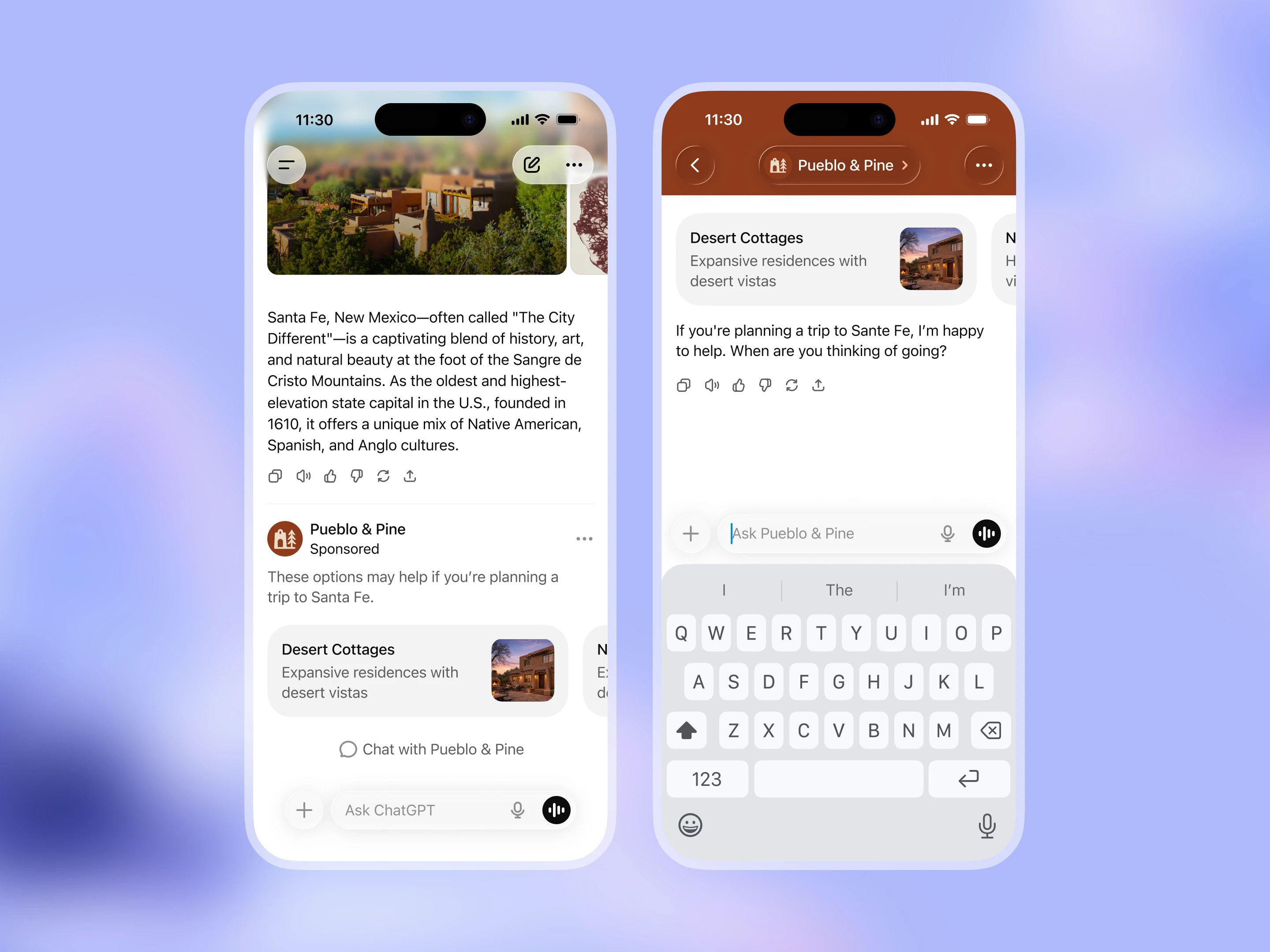
The big change isn’t just the price. OpenAI says it will begin showing ads inside ChatGPT for both the free plan and the new ChatGPT Go tier, at least for users in the United States. The company positions advertising as the reason it can keep access “free and affordable,” arguing that ads help support broader availability while still offering a paid middle ground for users who need higher limits.
If you want ChatGPT without advertising, OpenAI says you’ll need to choose one of its higher-priced subscriptions: Plus, Pro, Business, or Enterprise. Those tiers are positioned as the ad-free experience, while Free and Go become the ad-supported options.
OpenAI is also trying to address the obvious concern: whether ads will influence what the chatbot says. According to the company, the advertising module is separated from the chat experience, and ChatGPT’s responses will not be altered by the ads shown. OpenAI adds that it won’t sell personal data to advertisers and will keep chats out of advertisers’ reach.
For users who end up on the free tier or the $8/month Go plan, OpenAI says there will be controls to disable ad personalization and the ability to clear accumulated data whenever you want—aiming to give people more say over how targeting works.
As for how the ads will appear, OpenAI says they’ll be clearly labeled and placed at the bottom of the interface. The ads are expected to be relevant to the conversation, showing products or services connected to what you’re discussing, while the chatbot itself is meant to continue avoiding biased behavior as before.
The ad-supported ChatGPT experience is expected to launch in the U.S. in the coming weeks, which will give users a real-world way to judge whether OpenAI can maintain response quality and trust while introducing advertising into everyday chats.