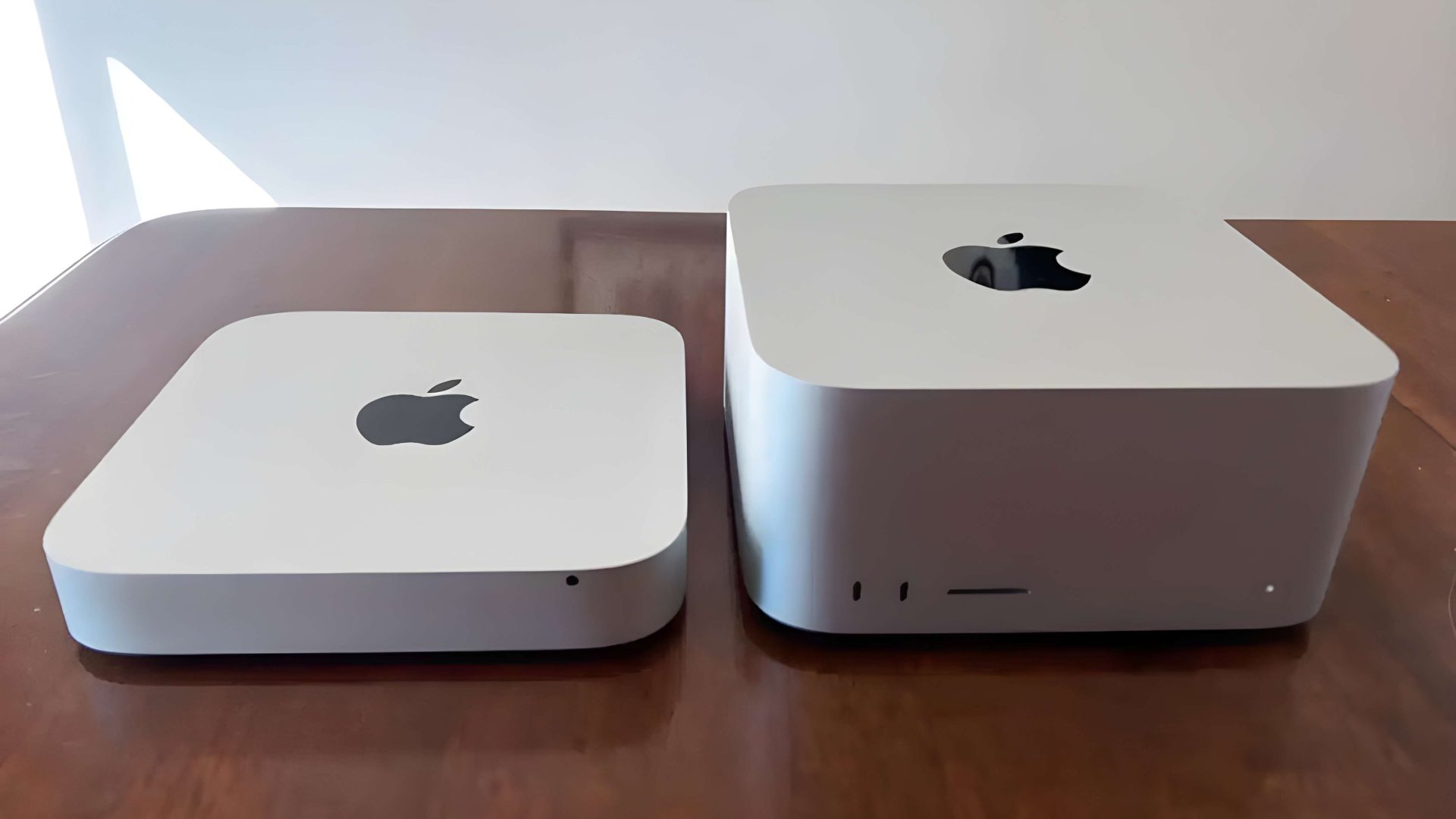
The global memory crunch is no longer a problem limited to smaller PC makers or niche hardware brands. It’s now squeezing even Apple, and the clearest sign is showing up where customers feel it fastest: Mac ordering pages. Right now, certain upgraded memory configurations of the Mac mini and Mac Studio are developing unusually long ship times, with delivery windows stretching deep into the second half of 2026.
Recent order timelines indicate that some Mac mini configurations jump out to August if you’re buying today—particularly once you start increasing unified memory. The situation looks even tougher on the Mac Studio side, where select builds are being pushed as far as September. For shoppers who expected Apple’s supply chain to keep products readily available, these delays are a sharp reminder that memory availability is tightening across the industry.
So what’s driving this slowdown? A major factor is the relentless rise in DRAM pricing, which continues to ripple through the entire tech ecosystem—from smartphones and laptops to desktops and workstations. Samsung, one of the world’s biggest memory suppliers, has reportedly raised memory product pricing by an average of about 30% for Q2 2026 after a massive year-over-year jump in Q1. When a supplier of that size increases pricing that aggressively, it doesn’t just affect one category of devices—it pushes costs up and strains supply planning across the board.
At the same time, LPDDR5—one of the most important memory types for modern high-efficiency devices—has surged to contract pricing around $10 per GB after roughly tripling since early 2025. Forecasts suggest pricing pressure may continue beyond the near term, with expectations of another meaningful increase in 2027. In other words, this isn’t looking like a short-lived spike. It’s starting to resemble a longer cycle where memory stays expensive and harder to secure at scale.
There’s also growing chatter that Apple has been attempting to lock down supply as aggressively as possible. A report from a South Korea-based source claims Apple has been buying up available mobile DRAM at exceptionally high prices—so high that it may be willing to absorb profit pressure just to keep competitors from getting the same access to chips. Whether or not every detail of that claim proves out, the broader point fits what many buyers are seeing: demand is intense, supply is constrained, and companies are scrambling for priority.
What makes this moment especially notable is the implication for Apple’s market power. Apple is one of the few companies with enough volume, cash, and supply-chain leverage to negotiate favorable terms when components get tight. If anyone can push back against memory makers during a pricing squeeze, it’s Apple. And yet the expanding Mac mini and Mac Studio lead times suggest even Apple is struggling to fully overcome today’s market dynamics.
For anyone shopping for a new Mac in 2026, the takeaway is straightforward: if you’re planning to upgrade unified memory on a Mac mini or Mac Studio, expect longer delivery estimates—and consider ordering earlier than you normally would. With DRAM prices still climbing and memory supply under pressure, these extended wait times may be less of a temporary inconvenience and more of a preview of what the broader PC and workstation market will look like for the rest of the year.