Apple’s “Liquid Glass” interface may have arrived to a mixed reaction on iOS 26, but all signs point to the company staying the course. Instead of rolling back the look and feel in iOS 27, Apple is expected to refine Liquid Glass over time with a steady stream of optimizations and visual improvements that could stretch across multiple years. That long-term commitment isn’t just about Apple being stubborn with design decisions—it may be tied to a bigger iPhone hardware shift already being planned.
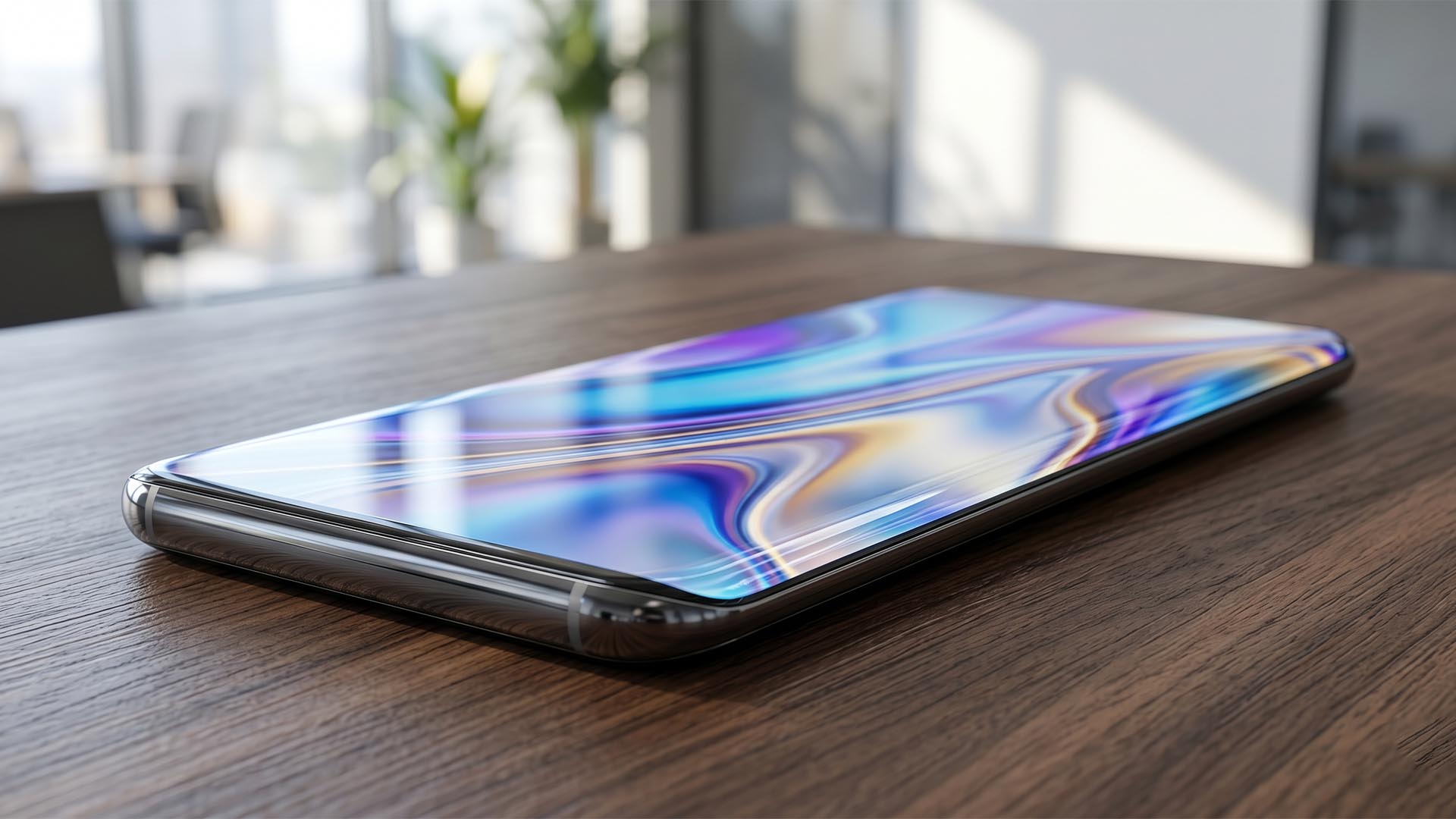
A well-known tipster suggests Apple is working toward its most ambitious iPhone display design yet, built to push the company closer to a truly bezel-less front. The idea is that Liquid Glass doesn’t merely change how the interface looks; it could be designed to complement a new type of screen where the edges and corners visually “disappear,” making the entire front feel like uninterrupted glass.
The rumored hardware is being described as a “Liquid Glass Display,” and it’s said to be unlike the quad-curved screens many people remember from older Android phones. Rather than dramatic curves that can distort colors or cause accidental touches, the curvature is expected to be extremely subtle. The goal appears to be a more natural viewing experience at the edges, without the visual oddities that sometimes came with earlier curved designs.
What makes the concept especially interesting is how the display and software could work together. With Liquid Glass-style visual effects in the interface, light and UI elements could appear to refract near the edges. If Apple executes it well, that could create the illusion of a completely bezel-less form factor—particularly if the corners are engineered to blend away, keeping edge viewing clean and “undisturbed.”
Although the tipster doesn’t directly name a launch device, the reference to a high-end quad-curved approach has fueled speculation that this could be timed for Apple’s 20th anniversary iPhone—often dubbed the “iPhone 20” in rumor circles. If that’s the target, it would help explain why Apple is reportedly exploring next-generation display ideas that could become a new design language for future flagship iPhones, not just a one-off experiment.
Of course, building a near bezel-free iPhone isn’t only about glass and curves. The biggest challenge may be what has to move underneath the screen. For Apple to deliver a truly uninterrupted display, it would likely need to place Face ID components under the panel, and potentially hide the front-facing camera beneath the OLED as well. That’s a difficult engineering puzzle, especially if Apple wants to maintain current standards for Face ID reliability and selfie image quality.
If Apple isn’t happy with the results—particularly the under-screen camera performance—this kind of design could slip. The rumored window appears to be 2027, but delays into 2028 are possible if quality targets aren’t met. Still, if Apple can solve these problems, the combination of a subtle-curved “Liquid Glass Display” and a refined Liquid Glass UI could represent one of the biggest iPhone design leaps in years.


