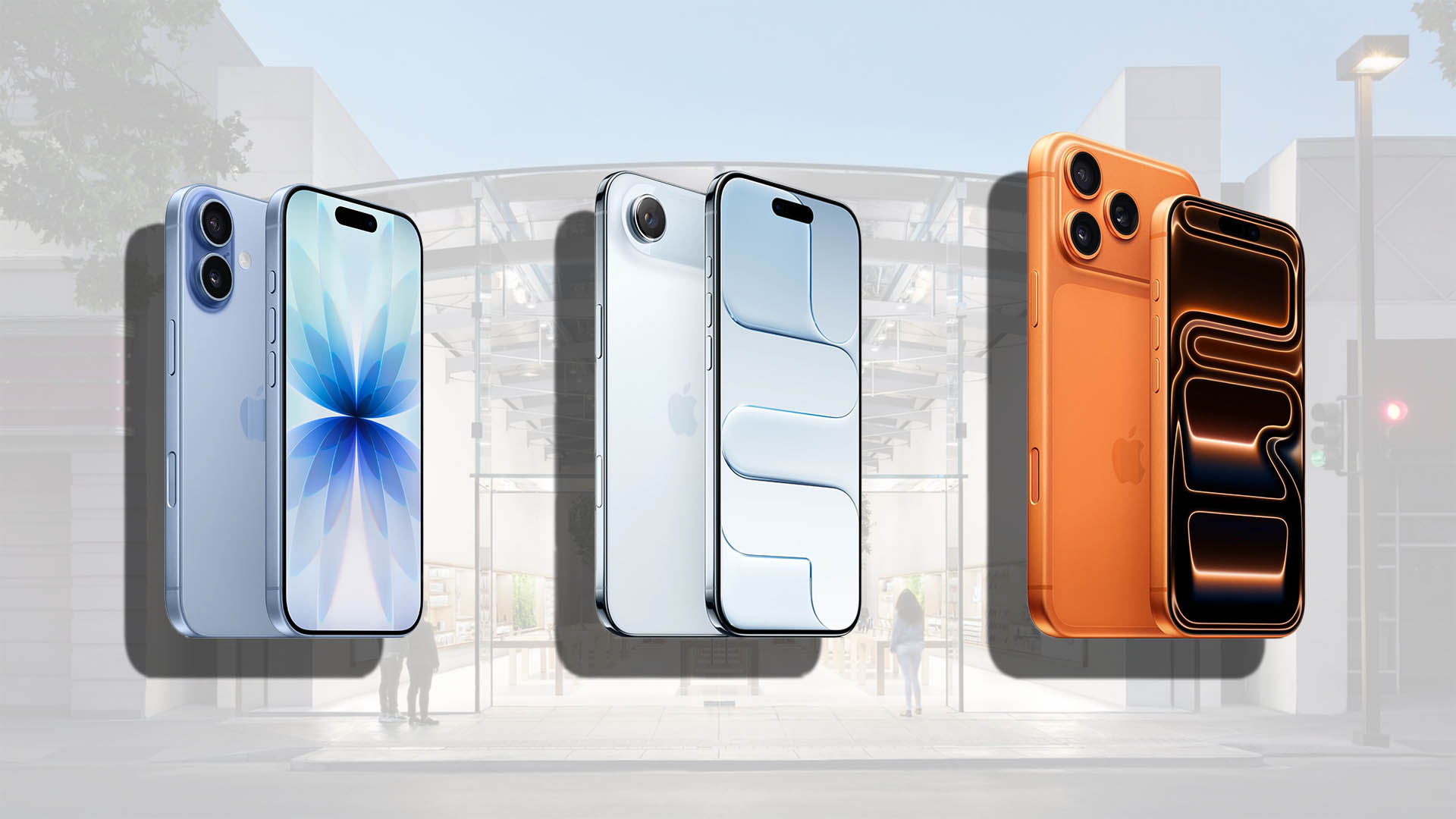
Apple just tightened its grip on the smartphone market, and the latest Q1 2026 figures show why competitors are feeling the pressure. New industry data indicates that Apple is now the number one smartphone manufacturer by global revenue share, taking an enormous 48 percent of worldwide smartphone revenue in the first quarter of 2026. That leaves the rest of the industry battling for what’s left.
Global smartphone revenue reached $117 billion in Q1 2026, even as total shipments dipped due to an ongoing DRAM (memory) crisis. While fewer phones were shipped overall, buyers continued to spend more on premium models, pushing the industry’s average selling price higher. The average selling price across the market rose 12 percent compared to Q1 2025, highlighting how demand is increasingly concentrated at the high end of the smartphone spectrum.
Apple sits at the center of that premium surge. The average selling price of an iPhone climbed to $908, and Apple also captured a record 21 percent share of global smartphone shipments in Q1 2026. Strong demand for the iPhone 17 and iPhone 17 Pro Max helped lift Apple’s overall average selling price by 11 percent year over year. Notably, Apple largely kept pricing stable even as the cost of components rose, signaling an ability to absorb cost pressures better than many rivals and remain relatively insulated from memory-related supply strain.
Regional performance also played a role in Apple’s strong quarter. Momentum was especially noticeable across the Asia-Pacific region, where subsidies, promotions, and trade-in offers helped drive sales and support demand for Apple’s newest iPhone lineup.
Samsung ranked second in global smartphone revenue share, taking 18 percent of total earnings in Q1 2026. Its average selling price stood at $399, and it matched Apple with a 21 percent global shipment share. That combination suggests Samsung is moving plenty of units, but at significantly lower average prices, which limits its revenue share compared to Apple’s premium-heavy mix.
Xiaomi, meanwhile, had a tougher quarter. Among the top five smartphone brands, it recorded the steepest decline year over year, with shipments falling 19 percent and revenue down 18 percent for Q1 2026.
Looking ahead, the biggest wild card for the entire smartphone industry is the ongoing memory shortage. The situation could get more uncomfortable in the coming months, with Apple CEO Tim Cook noting during the company’s Q2 2026 earnings that Apple’s DRAM stockpile is gradually shrinking. With the iPhone 18 launch expected in the near future, consumers may want to brace for the possibility of higher prices if supply constraints and component costs continue to tighten.