Apple May Turn to Intel for iPhone 18 A20 Chip Production as AI Demand Pressures TSMC
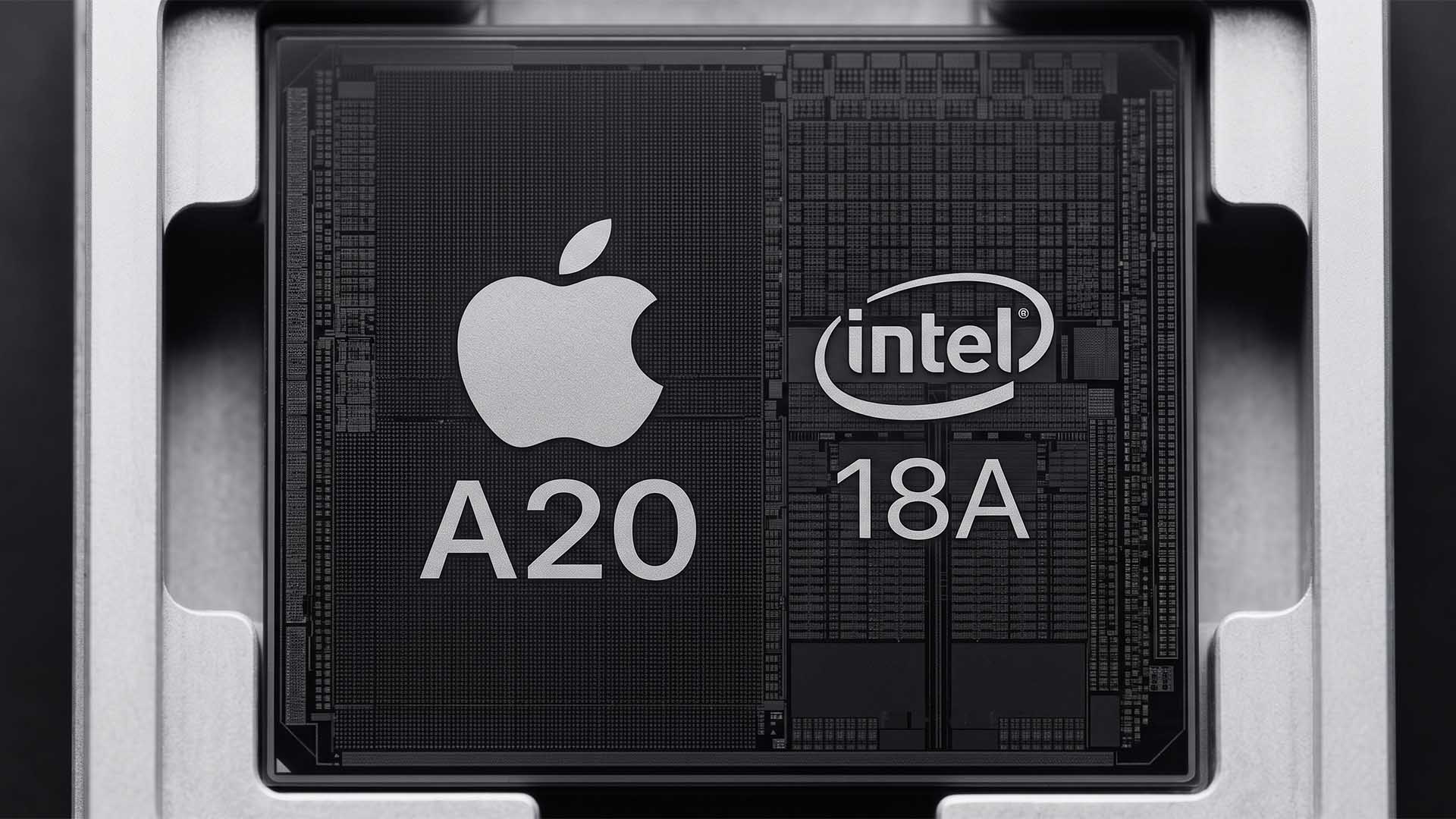
Apple’s chip strategy could be heading for one of its biggest shifts in years. A new rumor suggests that the standard iPhone 18 may use an A20 chip manufactured by Intel on its 18A process, a move that would mark a major change in Apple’s long-standing reliance on TSMC for its most important mobile processors.
Intel had already been mentioned as a possible second foundry partner for Apple, especially for future chips using the company’s 18A-P manufacturing technology. However, the latest claim goes further, suggesting that Intel’s 18A node could be used for the A20 chip expected in the base iPhone 18. If accurate, this would show how aggressively Apple is trying to reduce supply chain risk as demand for advanced semiconductor production continues to rise.
The pressure largely comes from the artificial intelligence boom. TSMC’s advanced manufacturing lines are already under heavy demand from companies building AI accelerators and high-performance chips. Apple, despite being one of TSMC’s biggest and most important customers, may no longer be able to rely on a single foundry to secure enough capacity for future iPhone chips.
According to information circulating on Weibo from tipster Fixed-focus digital cameras, Apple is also exploring broader supply chain changes, including the use of Samsung CMOS camera sensors in future iPhones. That would be notable because Sony has traditionally dominated iPhone camera sensor supply. But the more surprising part of the rumor is the suggestion that the iPhone 18, expected around 2027, could feature an A20 chip produced using Intel’s 18A technology.
This fits with a larger pattern. Apple appears to be preparing for a future where relying too heavily on one supplier could create serious production challenges. Reports have already suggested that Apple is considering new partnerships not necessarily to lower costs, but to protect itself from shortages. In the memory market, similar discussions have been tied to reducing supply risk rather than simply chasing cheaper components.
The same logic may now apply to iPhone processors. TSMC’s 3nm production has faced intense demand, and the same problem could eventually affect its 2nm capacity. With AI chip orders expected to keep growing, Apple may need a backup plan to ensure that it can produce enough A-series chips for future iPhones.
Intel’s 18A process could become part of that backup plan. Previous reports suggested that Intel’s 18A yields had already improved significantly, reportedly crossing 55 percent last year. By the time iPhone 18 production ramps up, Intel may be in a much stronger position to handle larger orders from a company like Apple.
Still, the rumor leaves one major question unanswered: will the A20 be made exclusively by Intel, or will Apple split production between Intel and TSMC? A dual-foundry approach would make sense if Apple wants to reduce risk without fully moving away from TSMC. It would also allow Apple to compare performance, efficiency, yield, and production reliability across multiple suppliers.
The A20 Pro, which would likely power the higher-end iPhone 18 Pro models, is still expected to be produced by TSMC. Apple often reserves its most advanced silicon for Pro models, and TSMC remains the leader in cutting-edge chip manufacturing. Unless new information emerges, TSMC is still the most likely candidate for Apple’s premium mobile processors.
However, the bigger story is clear: Apple may no longer be comfortable depending almost entirely on TSMC. The AI hardware race has transformed the semiconductor industry, creating fierce competition for advanced chip capacity. Companies building AI processors are placing massive orders, and foundries are under pressure to prioritize their most profitable and strategic customers.
That could push Apple to move faster toward newer manufacturing technologies. Some reports suggest Apple may skip a longer stay on 2nm and move to 1.4nm within a relatively short period. TSMC is expected to play a key role in that transition, but other foundries could become more important as Apple seeks additional capacity and flexibility.
Samsung may also become a stronger part of Apple’s future supply chain. The company is aiming to begin 1.4nm mass production around 2029, and if it can deliver competitive yields and efficiency, Apple could consider it as another foundry option. That would give Apple more leverage and reduce the risk of delays caused by limited production capacity at a single supplier.
For now, the idea of an Intel-made A20 chip for the iPhone 18 remains a rumor. But it is a believable one in the current semiconductor climate. Apple is facing a market where advanced chip production is becoming more crowded, more expensive, and more strategically important than ever.
If Intel does become part of Apple’s iPhone chip supply chain, it would be a major win for Intel’s foundry ambitions and a significant shift for the iPhone’s hardware future. It would also signal that Apple is entering a new era of supplier diversification, where securing enough chips may be just as important as designing the best ones.
The iPhone 18 could therefore represent more than a routine annual upgrade. It may become the first major sign that Apple’s chip manufacturing strategy is changing in response to the AI-driven semiconductor crunch.


