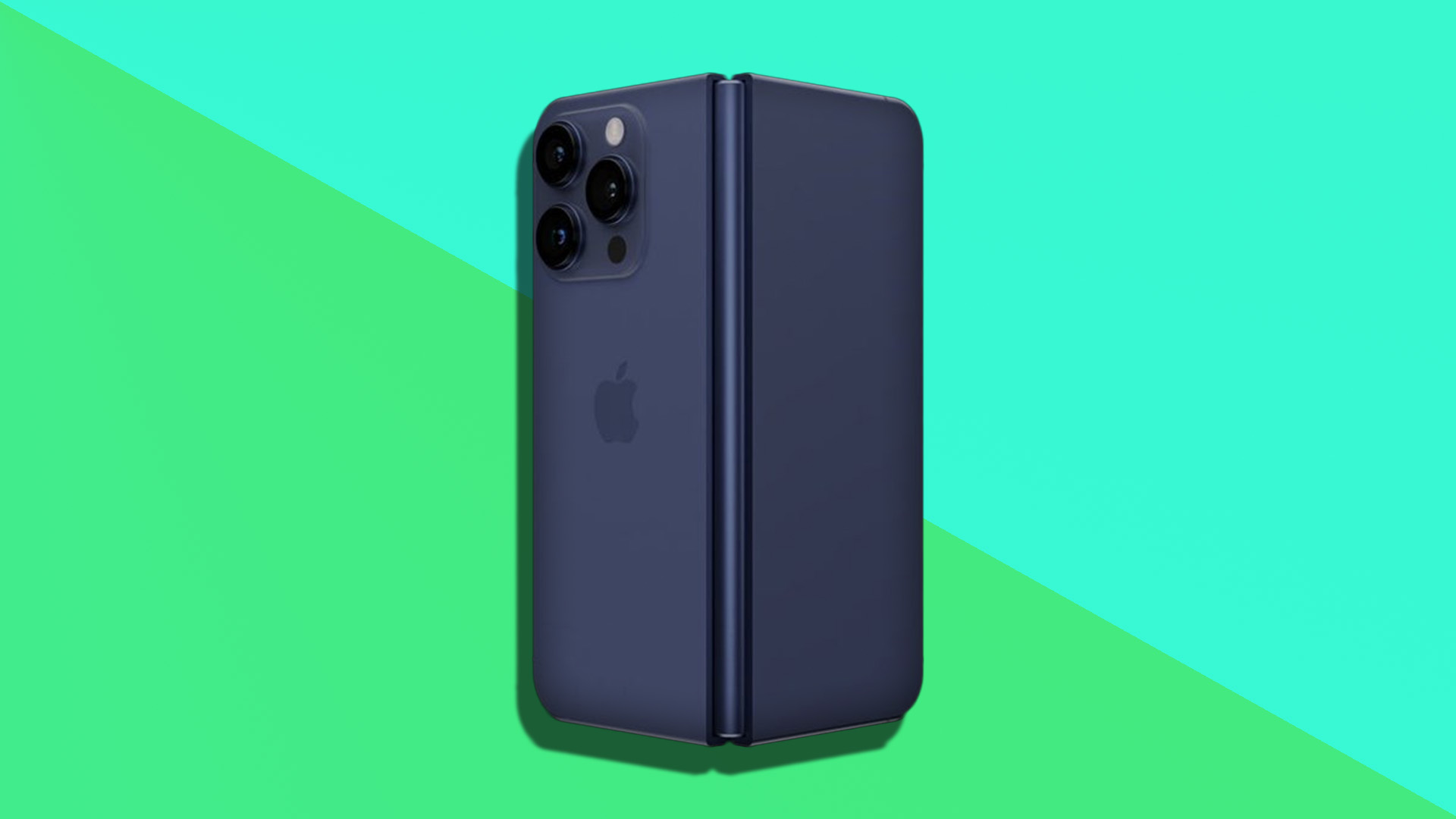
There’s an air of intrigue swirling around the potential features of Apple’s highly anticipated foldable iPhone. Speculation is rife, especially about how the device will implement biometric security. Previously, renowned analyst Ming-Chi Kuo speculated that Touch ID might replace Face ID due to design challenges. However, a well-known tipster has offered a fresh perspective, hinting that while an under-screen camera is in the works, the detailed Face ID components may remain outside the OLED panel. The reason behind this decision remains a mystery, but it could be to ensure the accuracy and reliability of facial recognition.
Details about the foldable iPhone have been partly unveiled by the well-regarded source, Digital Chat Station. The device is rumored to feature a book-style design similar to many other foldable smartphones on the market, and a 4:3 aspect ratio may be included to maintain consistency with Apple’s iPad interfaces. While the front-facing camera could be discretely hidden beneath the display, it seems the other sophisticated components necessary for Face ID, such as the TrueDepth sensor and infrared scanner, might not be hidden after all.
This leads to two possible scenarios: Apple could either completely eliminate Face ID for this device, opting instead for a punch-hole camera with a side-mounted Touch ID, reminiscent of the recent iPad Air models, or they could place the Face ID components over the display without concealing them. The complexity and constraints of embedding all these sensors in the delicate foldable architecture likely steer Apple away from integrating the entire suite under the screen.
Given the ambitious goal of maintaining a sleek design with minimal bulk, Apple is compelled to conserve space meticulously, which might mean foregoing Face ID. Enthusiasts might feel disheartened by this potential trade-off, particularly if the price tag soars between $2,000 and $2,500 as discussed in various circles.
Despite these challenges, Apple’s perseverance in crafting a foldable device seems strong. The prospect of a liquid metal hinge being used could enhance durability and minimize visible creases on the screen. While a launch is still years away, maybe in 2026, it’s prudent to regard these rumors with caution until Apple officially unveils its pioneering foray into foldables.


