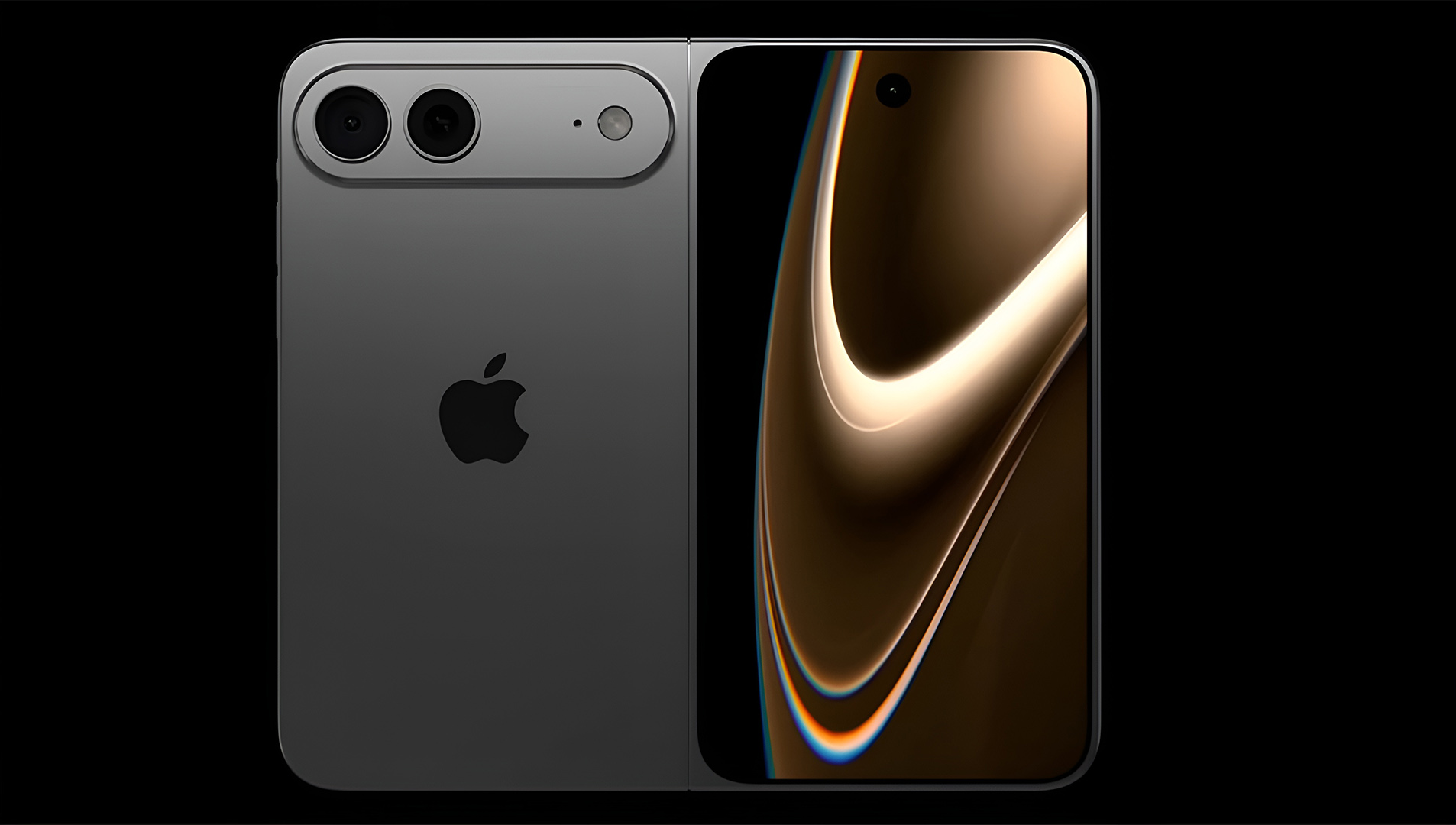
Apple’s first foldable iPhone could follow the iPhone X playbook with limited stock, delayed sales, and a premium price
Apple’s long-rumored foldable iPhone is shaping up to be one of the company’s most anticipated launches in years, and it may arrive with a strategy that feels very familiar. According to well-known Apple analyst Ming-Chi Kuo, Apple could handle the debut of its first foldable iPhone much like it did with the iPhone X in 2017: announce it alongside the main iPhone lineup, but delay pre-orders and retail availability until later.
The device is currently being referred to unofficially as the iPhone Fold or iPhone Ultra, though Apple has not confirmed the final name. If the latest expectations are accurate, the foldable iPhone will be introduced in September 2026 alongside the iPhone 18 Pro and iPhone 18 Pro Max. However, buyers may have to wait several weeks before they can actually place an order or pick one up in stores.
This launch pattern would closely resemble the iPhone X rollout. Apple revealed the iPhone X at the same event as the iPhone 8 and iPhone 8 Plus, but pre-orders did not open until October due to the complexity of its new OLED all-screen design, notch, and Face ID system. The first foldable iPhone is expected to be even more technically ambitious, which could explain why Apple may choose a staggered launch.
Kuo expects Apple’s foldable iPhone shipments to be extremely limited at first. Sales in the third quarter of 2026 could reportedly reach only around 500,000 to 1 million units. That would be a tiny number compared with the expected 20 million to 22 million units for the iPhone 18 Pro models during the same early launch period.
By the end of December 2026, the foldable iPhone could reach total sales of around 7 million to 8 million units. While that would still be modest compared with Apple’s standard flagship iPhone sales, it would be a major start for a first-generation foldable device, especially one expected to carry a very high price.
The foldable iPhone price is expected to land between $2,300 and $2,500 for the base model. That would make it one of the most expensive iPhones Apple has ever released and place it firmly in the ultra-premium smartphone category.
Because early supply is expected to be tight, Kuo believes the first few months could create a major resale market. Initial lead times may stretch to four to six weeks, giving resellers an opportunity to charge far above the official retail price. Some early units could reportedly sell for 50% to 100% more than Apple’s list price.
If the foldable iPhone launches at $2,500, that means resale profits could reach roughly $1,250 to $2,500 per device, depending on demand and storage configuration. Higher-capacity models could command even larger premiums during the first wave of availability.
That said, the resale rush may not last long. Like most high-priced smartphones, the foldable iPhone is expected to lose value over time. One estimate suggests it could drop by as much as $1,292 in residual value within the first 12 months, meaning early buyers paying inflated resale prices could face steep depreciation.
Beyond the launch strategy and pricing, the foldable iPhone is expected to bring major display and hardware upgrades. Apple is reportedly planning to use advanced OLED technology for the device, with a cutting-edge 10-bit OLED cover screen and an inner foldable display based on a slightly older OLED panel generation.
The outer display is expected to use Color Filter on Encapsulation technology, often shortened to COE. This approach removes the traditional circular polarizer and prints a color filter directly onto the thin-film encapsulation layer. The result is a thinner panel with better power efficiency, which is especially important for foldable phones that have multiple screens and larger power demands.
The cover screen is also expected to support native 10-bit color depth, allowing for richer color reproduction and smoother gradients. Another key efficiency improvement may come from the use of blue phosphorescent OLED material instead of blue fluorescent material, which could help reduce power consumption and improve overall display performance.
Apple is also believed to be focusing heavily on durability and crease reduction. The foldable iPhone is rumored to use Ultra-Thin Glass or Ultra-Thin Flexible Glass, with reduced thickness near the hinge area to help lower structural stress. A flexible adhesive between display layers may further improve durability and help maintain a smoother foldable panel.
One of the most interesting rumored design elements is a 3D-printed Liquidmetal hinge. This hinge is expected to play a dual role: improving the folding mechanism and helping with heat dissipation. Reports suggest the design could reduce the visible crease to around 0.15mm, making it one of the least noticeable creases on any foldable smartphone if Apple achieves that target.
Thermal performance may also get special attention. The foldable iPhone is expected to include a dedicated vapor chamber cooling system, which would help manage heat from the processor, modem, display, and other high-performance components. This could be especially important for gaming, video recording, multitasking, and long-term performance.
Expected foldable iPhone specifications include a 2,713 x 1,920 resolution with a 4:3 aspect ratio, giving the inner display a tablet-like feel when unfolded. Apple may also bring back Touch ID in a side-mounted button instead of using Face ID, likely because the foldable design makes camera and sensor placement more complicated.
The device is also rumored to feature the A20 Pro chip, 12GB of RAM, Apple’s in-house C2 5G modem, and an eSIM-only design. For cameras, the foldable iPhone could include a dual rear camera system with 48MP resolution and a front-facing selfie camera with up to 24MP resolution.
Battery capacity is expected to fall between 5,400mAh and 5,800mAh, which would be larger than current iPhone batteries and necessary for powering a foldable form factor. Combined with more efficient display technology, Apple may be aiming to deliver strong battery life despite the larger screen area.
If Apple stays on schedule, the foldable iPhone could launch in fall 2026 as one of the most expensive and technically advanced iPhones ever made. With a possible $2,300 to $2,500 starting price, limited early supply, a delayed release window, and premium hardware, the iPhone Fold or iPhone Ultra could become one of Apple’s most closely watched product launches since the iPhone X.


