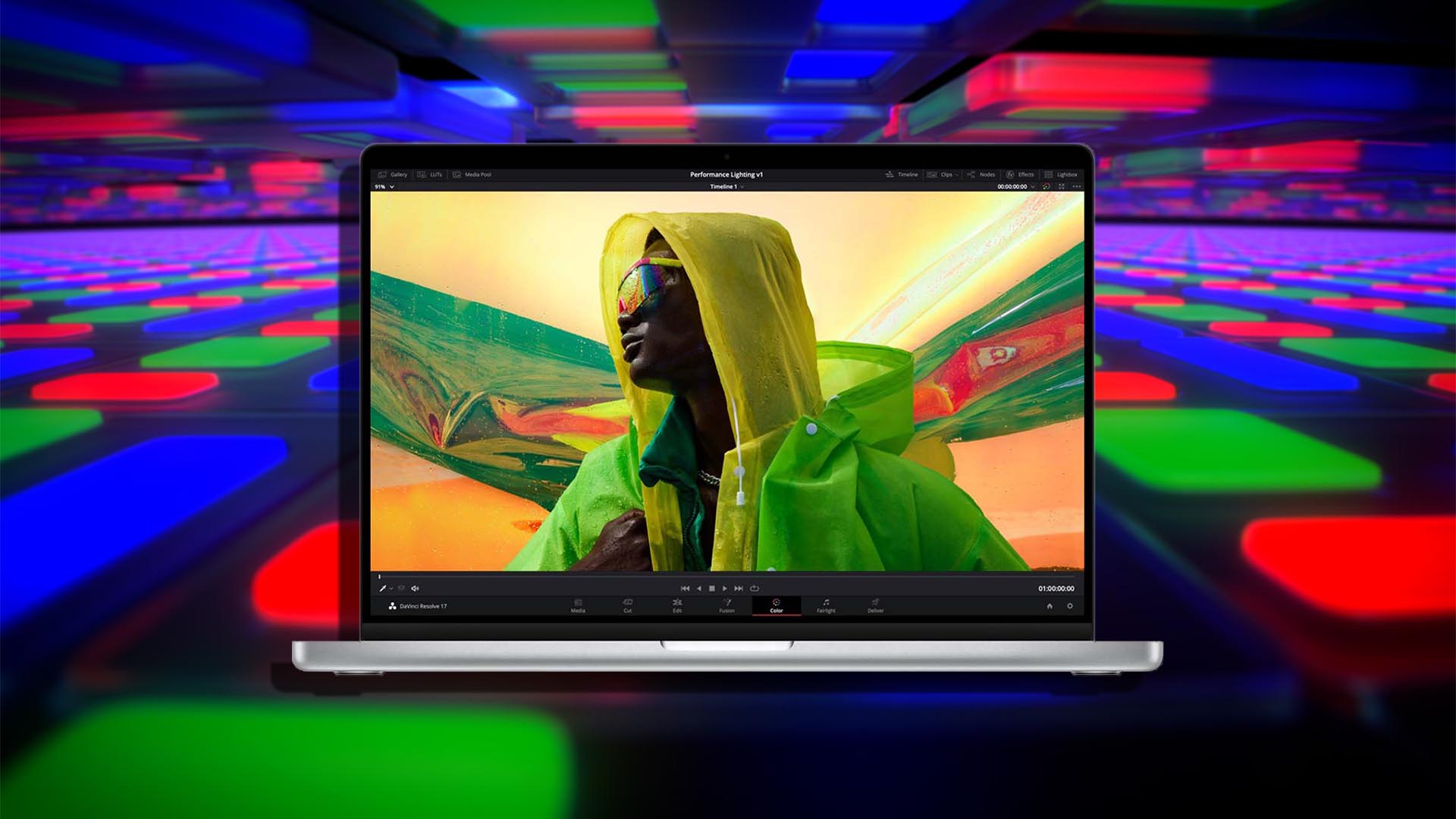
Apple’s next big MacBook Pro shake-up is starting to take shape, and it’s more ambitious than a routine spec bump. Reports suggest the company will begin moving away from mini‑LED in favor of OLED with the M6 MacBook Pro, then follow up with a major redesign that ditches the notch and adds a touchscreen. While Apple has historically resisted touch on the Mac, the tide appears to be turning—and it could come with a premium price.
According to industry reporting, the OLED M6 MacBook Pro is tracking for a launch window between late 2026 and early 2027. One of the headline changes is the removal of the display notch in favor of a punch‑hole cutout for the FaceTime camera. That shift should help maximize usable screen space while modernizing the front look of Apple’s pro laptops.
Touch input is also said to be on the table. Apple has long avoided adding touchscreens to Macs, partly to sidestep issues like screen wobble when tapping and swiping. To address that, the company is reportedly reinforcing the hinge assembly on these OLED models. Apple’s hinge tuning is already known for being tight and stable; additional reinforcement would aim to minimize “finger bounce” and keep the display steady during touch interactions.
Under the hood, the M6 chip is expected to be manufactured on TSMC’s 2nm N2 process. If that timeline holds, it would mark the first time Apple Silicon in the MacBook Pro lineup adopts this next‑generation node, promising gains in performance and power efficiency. Pair that with OLED’s inherent advantages—perfect blacks, higher contrast, and the potential for slimmer, lighter designs—and the M6 generation could represent one of the most meaningful MacBook Pro upgrades in years.
Not every M6 MacBook Pro, however, will get the full treatment. Model identifiers discovered in macOS Tahoe point to a split strategy. The base 14‑inch version appears under the identifier J804, while models tagged K116 are tied to the OLED display, touchscreen, and a thinner chassis. In practical terms, that likely means the entry‑level 14‑inch MacBook Pro will focus on a processor upgrade without the pricier display and hardware changes to keep the starting price in check. Power users seeking the new OLED panel and touch functionality may need to step up to higher‑tier configurations.
Pricing remains the big unknown. With a new OLED stack, a reinforced hinge system, a slimmer body, and a cutting‑edge 2nm SoC, costs are expected to rise. Exact figures haven’t surfaced, but it’s reasonable to expect a premium over current models, especially for the variants that combine all the flagship features.
If the roadmap stays intact, here’s the gist of what to expect:
– A transition from mini‑LED to OLED on select M6 MacBook Pro models
– A notchless display featuring a punch‑hole camera cutout
– Optional touchscreen support with a beefed‑up hinge to reduce wobble
– Apple’s M6 chip built on TSMC’s 2nm N2 process
– A slimmer, lighter chassis on OLED touchscreen models
– A tiered lineup where the base 14‑inch prioritizes a chip upgrade over display changes
For anyone weighing an upgrade, the message is clear: the most dramatic MacBook Pro makeover is likely tied to the late‑2026 to early‑2027 window, centered on OLED and touch. Those satisfied with a performance‑focused refresh may find the entry‑level M6 models appealing, while users who want the new display tech and interaction model should plan for a higher price bracket. As always, timelines can shift, but momentum behind OLED MacBook Pros—and a fresh approach to touch on the Mac—appears to be building.