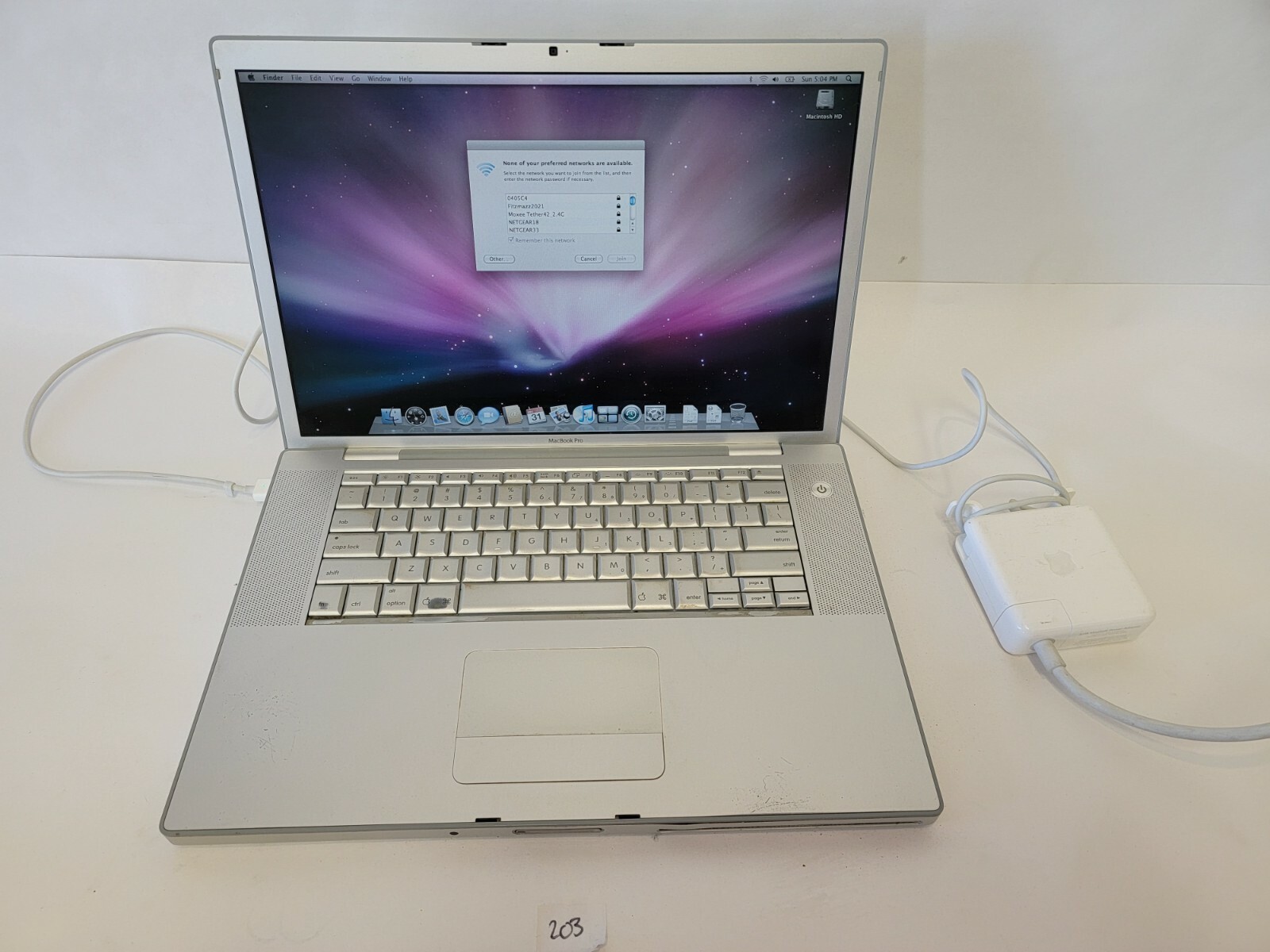
Few laptops have reshaped expectations the way Apple’s original MacBook Pro did. Introduced as a new vision for professional notebooks, it helped push portable computing into a faster, sleeker era—and its debut is now a landmark moment worth revisiting as the MacBook Pro reaches its 20-year anniversary.
Apple CEO Steve Jobs revealed the first MacBook Pro at Macworld San Francisco on January 10, 2006. At the time, it wasn’t just another laptop refresh. It marked a major turning point for Apple’s pro lineup, replacing the PowerBook series and making a headline-making transition from PowerPC processors to Intel chips. That switch set the stage for years of performance leaps, broader software compatibility, and a new identity for Apple’s high-end portable machines.
The original 2006 MacBook Pro launched in two main configurations, both centered around a 15.4-inch display and geared toward creative and professional users.
The entry model started at $1,999 and shipped with a 1.83GHz Intel Core Duo processor, 512MB of 667MHz DDR2 memory, and an 80GB hard drive.
A higher-end version cost $2,499 and offered a choice of faster 2.0GHz or 2.16GHz Intel Core Duo processors, doubled the memory to 1GB of RAM, and increased storage to a 100GB hard drive.
Looking back, those specs are a snapshot of mid-2000s premium computing—but the real story is what the MacBook Pro became after that first launch. Over the years, the line introduced features and design decisions that became closely associated with modern Apple laptops. Built-in webcams made video calling a standard expectation. MagSafe brought a safer, more convenient power connection. Aluminum unibody construction helped define the look and feel of premium notebooks for an entire industry. Retina displays raised the bar for sharpness and color clarity, especially for photo, video, and design work.
Not every change was universally loved. Some MacBook Pro eras drew criticism, particularly choices like the Touch Bar and the butterfly-mechanism keyboard. Even so, those controversial moves were part of Apple’s ongoing experimentation with how people interact with a thin, high-performance laptop—and they helped shape the more refined MacBook Pro experience users know today.
What’s next is already fueling curiosity. Future MacBook Pro models expected in 2026 and 2027 are rumored to bring major upgrades, with possibilities including OLED display technology, touchscreen support, and even a dedicated Dynamic Island-style cutout. If those changes arrive, they could signal another shift in how Apple defines a “pro” notebook—much like the first MacBook Pro did back in 2006.
Two decades on, the MacBook Pro remains one of the most recognizable names in laptops, not just for its performance, but for how often it has influenced design trends across the entire PC industry. The original model didn’t merely replace the PowerBook—it helped redefine what a professional laptop could be.


