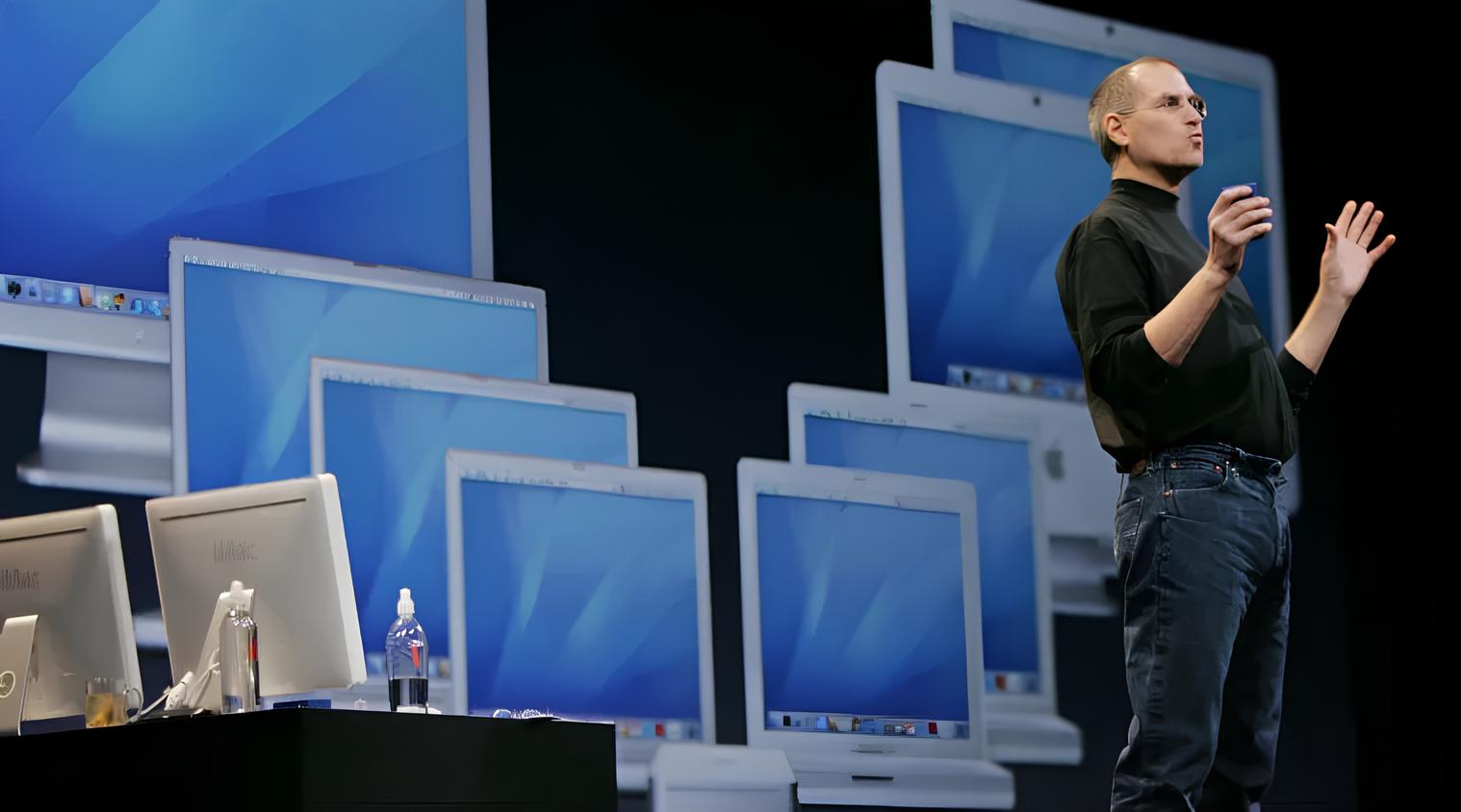
Nineteen years ago, the trajectory of Apple’s hardware underwent a landmark transformation with the announcement that Apple would transition its Mac lineup from PowerPC to Intel processors. This pivotal moment was unveiled by Steve Jobs at the WWDC 2005 keynote, signaling a strategic pivot for Apple’s computing architecture.
The PowerPC era, which spanned a solid 11 years, had its share of success, but the emerging needs of modern computing demanded a change. Jobs highlighted the Intel processors’ ‘performance per watt’ excellence as a key factor in this decision. Although Apple’s relationship with Intel has led to significant advancements in Mac’s performance, their eventual shift to custom-designed chips was a testament to Apple’s relentless pursuit of innovation and integration.
Apple’s desire for greater control over its hardware could have diluted any potential advances Intel could offer. Additionally, IBM’s challenges in producing more energy-efficient processors for Apple further justified the switch. The strained dynamic between Apple and IBM became apparent when Jobs heralded the release of a Power Mac powered by a PowerPC G5 processor during the WWDC 2023 keynote—a product that never saw the light of the day.
The promised 3.00GHz Power Mac G5, slated for release within a year, became a promise that Jobs couldn’t honor due to IBM’s manufacturing struggles. As frustration mounted over the diminishing prospect of a high-powered G5, Apple began eyeing Intel’s more promising technology roadmap.
Despite some initial skepticism from industry observers, like Omdia’s former part Ovum, who regarded the shift as a potential misstep given Intel’s then perceived lack in innovation compared to competitors like AMD and IBM, Apple’s gamble paid dividends. The company’s first Intel-equipped Mac made its debut on January 10, followed by the introduction of a Mac mini with an Intel Core Duo processor on February 28. This was just the beginning of a stream of Macs boasting a variety of Intel processors over the years.
Fast forward to the present, Apple has once again reasserted its ambition for self-reliance with the introduction of the M1 chip in November 2020, effectively ending the Intel era and charting a new course for the future of Mac computers. This progression through different processor platforms illustrates Apple’s unyielding vision for continuous technological enhancement—a vision that Steve Jobs fostered from the outset and one that has cemented the company’s position as a leader in innovation.
As we look back on this historic shift, we can appreciate the bold strategic moves that have carved the path for the high-performance, energy-efficient Macs of today. The journey from PowerPC to Intel, and now to Apple Silicon, is a remarkable narrative of progress and foresight in the tech industry.