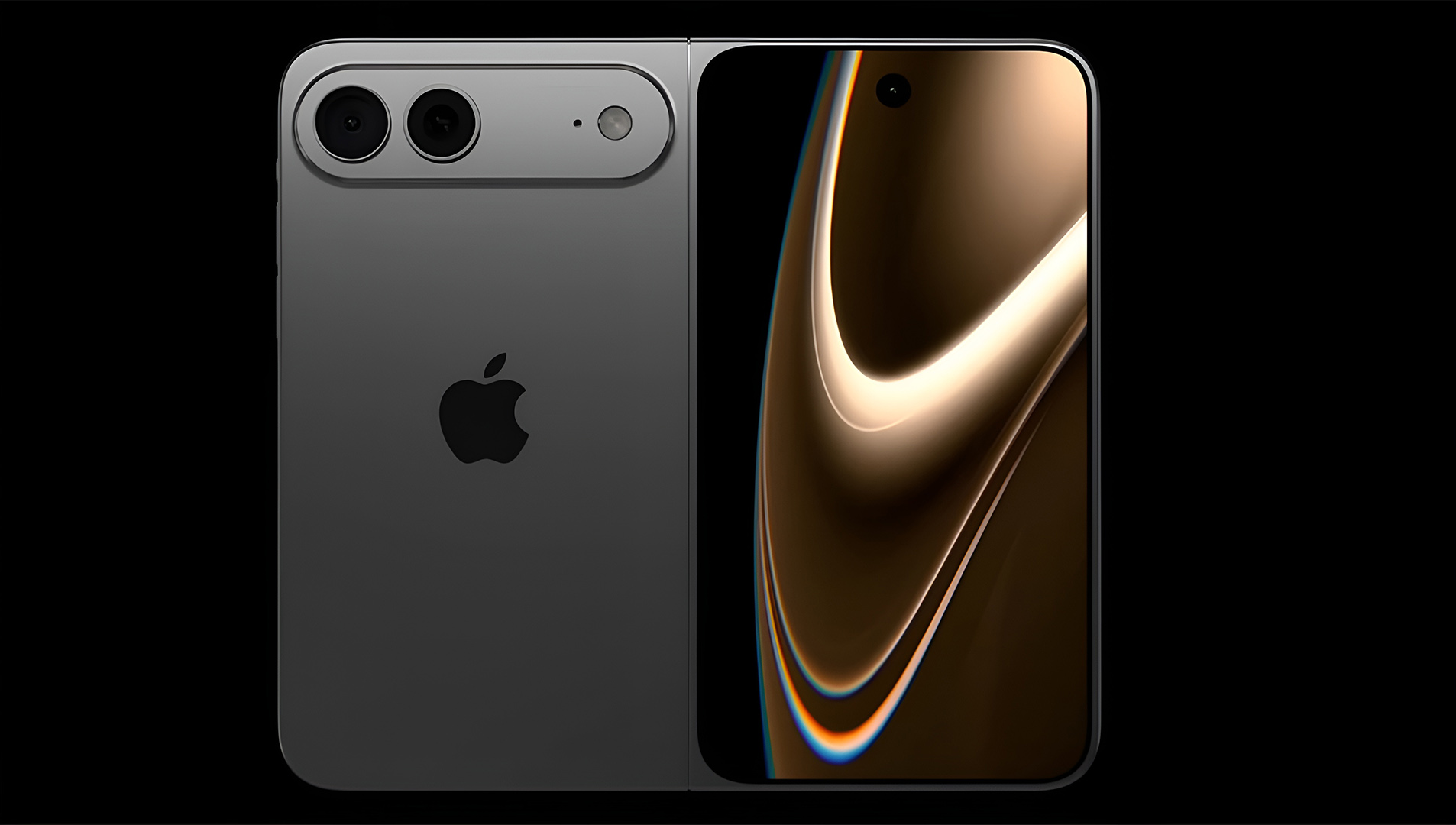
Apple’s first foldable iPhone is starting to come into sharper focus after a wave of conflicting leaks. The latest and most direct takeaway is this: Apple is still aiming to unveil its foldable iPhone in September, at the same event as the iPhone 18 Pro and iPhone 18 Pro Max, according to Bloomberg’s Mark Gurman.
That matters because recent reports had suggested the device might be slipping due to engineering hurdles. One report pointed to development complications, while another claimed Apple was still sorting out uncertainty around component pricing and deciding between advanced hinge material approaches such as liquid metal versus a 3D-printed titanium concept tied to high-molecular, chip-level 3D printing techniques. Gurman’s update doesn’t deny that the project has challenges, but it does indicate Apple’s current plan remains intact.
The key caveat is supply. Gurman notes that issues tied to the new display and materials could limit early availability for several weeks. Even so, Apple reportedly intends to put the foldable iPhone on sale around the same time as the standard iPhone 18 lineup, or very soon after.
Naming is still up in the air, too. While “iPhone Fold” has been the common placeholder in rumors, a prominent tipster has claimed Apple may brand it as “iPhone Ultra” instead.
On the hardware side, much of the buzz centers on Apple’s attempt to reduce (or nearly eliminate) the visible crease that has defined most foldable phones so far. One reported approach involves placing the functional display layer between dual layers of ultra-thin glass or ultra-thin flexible glass, helping manage repeated stress from folding and distributing pressure more evenly near the hinge. A separate report suggests the crease depth could be as little as 0.15mm, which would be exceptionally subtle if it ships that way.
Apple is also rumored to use a CoE (Color Filter on Encapsulation) solution on the OLED panel. In simple terms, this approach replaces the traditional thicker circular polarizer with a thinner color filter deposited as part of the encapsulation structure. Combined with a black pixel definition layer, this can improve light transmittance and reduce power consumption. For a foldable device, a thinner, lighter display stack can also reduce mechanical strain over time and allow for a smaller folding radius, potentially improving durability.
Pricing expectations have also shifted. A newer report claims Apple may target a starting price around $2,000 for the foldable iPhone. That would still make it a premium flagship, but it would be lower than earlier estimates that placed it closer to the $2,300–$2,400 range.
Software looks like a major selling point. Gurman has previously said the foldable iPhone will feature iPad-like layouts and side-by-side apps designed to make multitasking feel natural on a larger internal display, though not necessarily using the more desktop-leaning approach seen in Apple’s latest iPad software direction. The inner screen is expected to be iPad-sized with a wider aspect ratio, while the outer display is said to resemble a smaller iPhone screen. That matches earlier chatter pointing toward a wider, passport-like form factor when closed.
For biometrics, reports suggest Apple may drop Face ID on this model and move to Touch ID built into the side button, likely to save internal space and simplify component placement around the foldable design. The external display is rumored to include a small hole-punch cutout while still supporting Apple’s Dynamic Island-style notification experience.
Camera details remain fluid, but the latest expectations point to a dual rear camera system, with previous rumors suggesting 48MP sensors on both cameras. On the inside, Apple has reportedly explored an under-display camera for the main foldable screen, but test results have allegedly produced image quality that isn’t up to Apple’s standards, making it less likely to appear in the final retail version. A front-facing selfie camera could reach up to 24MP.
Other specifications currently being discussed include a dedicated vapor chamber for cooling, a 2,713 x 1,920 internal resolution with a 4:3 aspect ratio, an A20 Pro chip paired with 12GB of RAM, Apple’s in-house C2 5G modem, and a battery capacity in the 5,400–5,800mAh range. There’s also talk that the foldable iPhone could launch as an eSIM-only device.
If these details hold, Apple’s foldable iPhone could arrive as a high-end multitasking-focused device that leans heavily on display engineering, hinge durability, and battery efficiency to differentiate itself. With September still the claimed target, the next big question is whether Apple can scale production fast enough to meet demand shortly after launch.