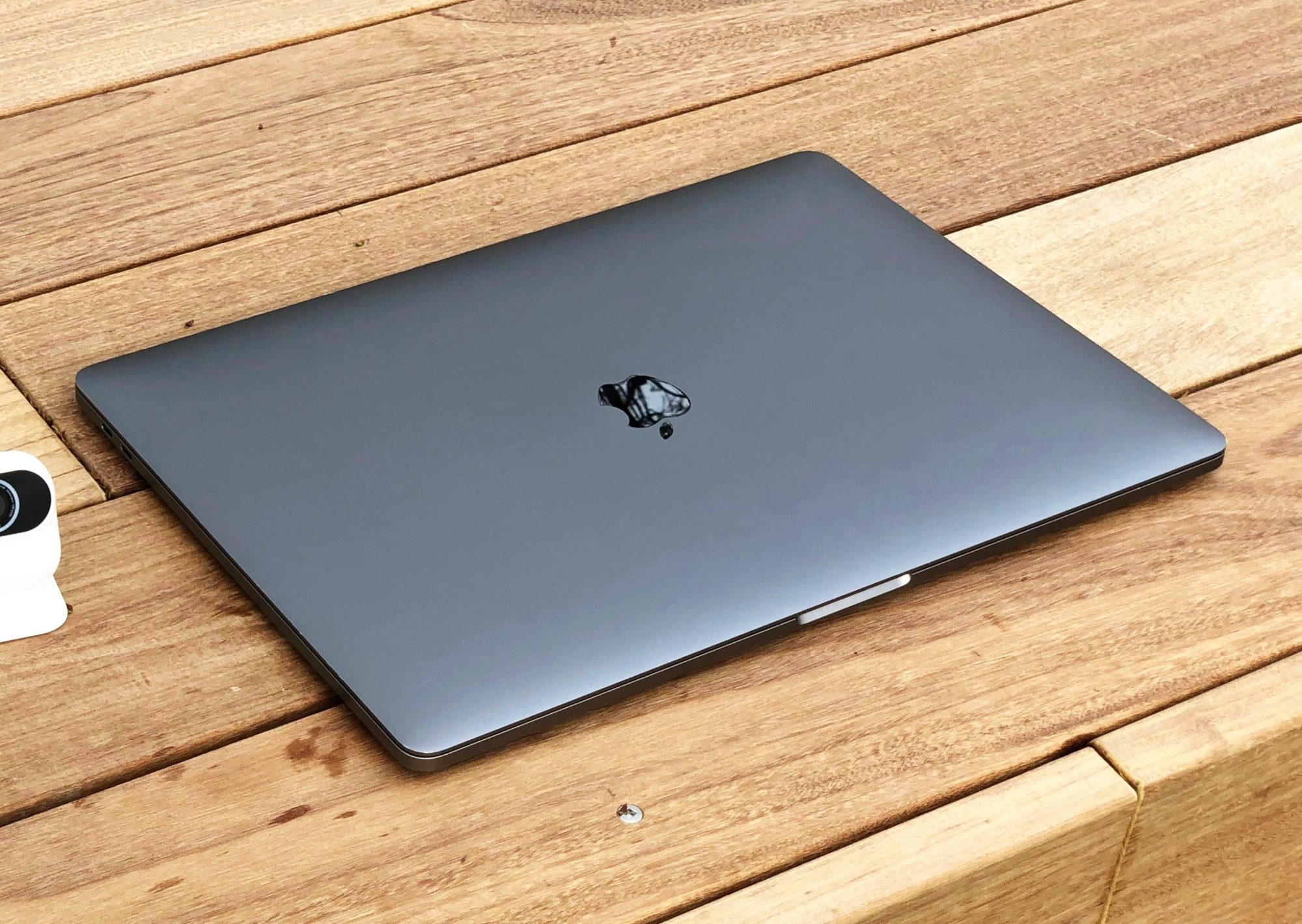
Apple may be preparing a brand-new entry-level MacBook that swaps the usual Mac-style M-series chip for an iPhone processor, and it could arrive as soon as spring 2026. If the latest rumors are accurate, this could be the most affordable new Mac laptop in years, designed to be thinner, lighter, and easier on the wallet than today’s MacBook Air.
The big headline is the processor choice. Instead of using an Apple Silicon M-series chip, this upcoming budget MacBook is rumored to run on the Apple A18 Pro, the same chipset used in the iPhone 16 Pro. That’s a major shift for Apple’s laptop lineup, and it signals a clear goal: prioritize power efficiency and everyday performance at a lower price point. In practical terms, the A18 Pro is said to deliver performance roughly comparable to Apple’s M1, which is still capable for common tasks like web browsing, video streaming, document work, email, and light photo editing.
Another detail that could help this laptop stand out is its size. The device is rumored to feature a 12.9-inch display, making it slightly smaller and more compact than the 13.6-inch MacBook Air. For buyers who travel often or want something that takes up less space in a bag, a smaller footprint could be a real selling point—especially if Apple manages to keep the weight exceptionally low, similar to the ultra-light 12-inch MacBook Apple offered in the past.
Pricing is where this rumored MacBook could make waves. Apple is reportedly targeting a starting price between $699 and $799, which would place it well below the current MacBook Air and directly in the range where budget Windows laptops and Chromebooks compete. Hitting that price, however, may come with compromises.
One rumored compromise is memory. To keep costs down, the base model could be limited to 8GB of RAM. That would likely be enough for casual users who stick to everyday apps and lighter multitasking, but it may feel restrictive for anyone who juggles lots of browser tabs, runs creative software, or expects more headroom for future macOS updates. The rumor suggests Apple may keep the entry configuration tight to protect margins and maintain clear separation from higher-tier models like the MacBook Air.
There’s also a potential pricing squeeze when it comes to upgrades. Apple memory upgrades are historically expensive, and if a higher-RAM version of this budget MacBook costs significantly more, it could end up close enough to MacBook Air pricing that many buyers would consider stepping up instead. That could make the base model the “sweet spot” for value, while upgraded configurations become harder to justify.
Even so, the overall package could be compelling. The laptop is expected to feature a premium aluminum design and may come in multiple colors, which would help it look and feel more upscale than many similarly priced alternatives. Battery life could also be a major strength, since iPhone-class chips are built to be extremely power efficient—potentially giving this MacBook the kind of endurance that students, commuters, and frequent travelers care about most.
Apple’s reported production goals add more weight to the rumor. Plans to manufacture around 5 to 8 million units per year suggest Apple expects serious demand, likely from first-time Mac buyers, students, families, and anyone who wants a simple, reliable Apple laptop for everyday tasks without paying premium prices.
If Apple does move forward with an iPhone-chip MacBook, it could reshape the entry-level laptop conversation. A smaller, lighter MacBook with a modern Apple chipset, premium build quality, and long battery life—starting under $800—would be a notable shift in Apple’s lineup, even if the base RAM ends up being the tradeoff buyers debate the most.


