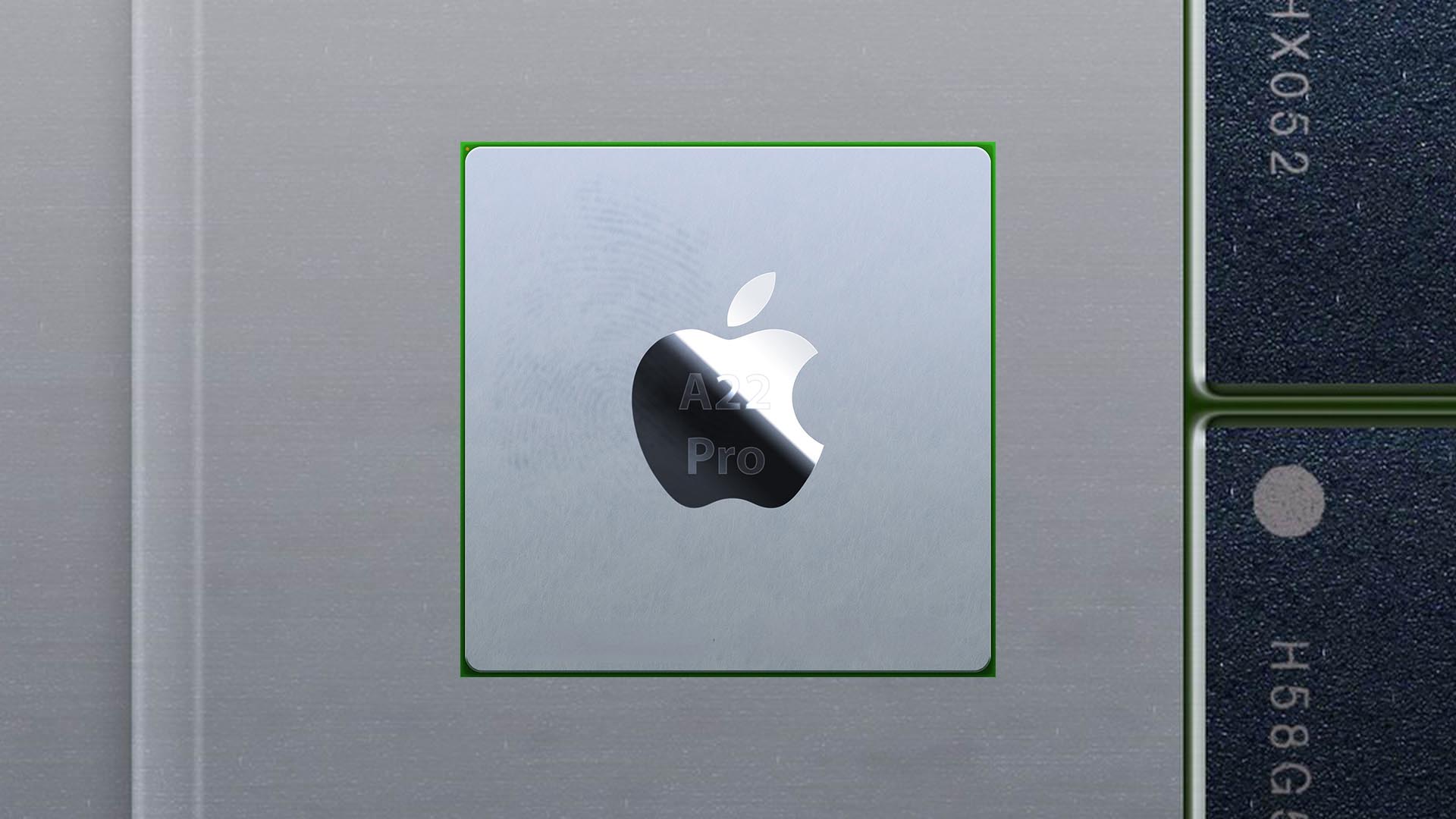
Apple A22 Pro Rumored to Bring 1.4nm Chip Technology to the 2028 iPhone
Apple’s chip roadmap may be heading toward another major leap. After the expected arrival of the A20 and A20 Pro as the company’s first 2nm iPhone chipsets, a new rumor suggests Apple could move even further ahead with the A22 Pro, potentially becoming its first 1.4nm mobile processor.
According to industry chatter shared by Bloomberg’s Mark Gurman, Apple is preparing new iPhone silicon for the coming years, with the A22 Pro reportedly targeted for 2028. If the timeline is accurate, the chip could arrive shortly after Apple’s 20th-anniversary iPhone, which is expected to be a major milestone for the company’s smartphone lineup.
The A20 and A20 Pro are expected to debut on TSMC’s 2nm process, marking a significant step forward in performance and efficiency. The following A21 Pro may still remain on a 2nm-class node, possibly using TSMC’s improved N2P process. That would make the A22 Pro the first real candidate for Apple’s move to 1.4nm manufacturing.
TSMC is already investing heavily in next-generation chip production as demand for advanced semiconductors continues to rise. The company is said to be building multiple high-cost facilities to support future manufacturing needs, with previous estimates suggesting investments of around $49 billion across four production sites.
Apple is likely to be one of the earliest customers for TSMC’s most advanced nodes, just as it has been with previous iPhone chip generations. However, cutting-edge manufacturing will not come cheap. Each 1.4nm wafer is estimated to cost around $45,000, which could explain why Apple may reserve the technology for the A22 Pro rather than using it across every version of the A22 chip lineup.
The potential benefits, however, could be substantial. TSMC’s 1.4nm process, also referred to as A14 or Angstrom-class technology, is expected to deliver around 10 to 15 percent better performance or up to 30 percent lower power consumption compared with 2nm chips. For future iPhones, that could mean faster processing, improved gaming performance, better AI features, enhanced camera capabilities, and longer battery life.
A key part of this improvement comes from denser gate-all-around transistors, which allow chipmakers to fit more advanced circuitry into a smaller area while improving power efficiency. As iPhones continue to rely more heavily on on-device artificial intelligence, computational photography, and high-performance graphics, these chip improvements could become increasingly important.
For now, the A22 Pro remains firmly in rumor territory. Apple has not confirmed its future chip plans, and manufacturing schedules can change depending on production yields, costs, and supply chain conditions. Still, the idea of a 1.4nm Apple chip by 2028 fits the company’s long-running strategy of pushing custom silicon forward with each iPhone generation.
If the report proves accurate, the A22 Pro could become one of the most important iPhone processors Apple has ever released, setting the stage for a new era of mobile performance and energy efficiency.