TSMC’s 1.4nm A14 Chip Technology Could Arrive in 2028, With Apple Expected to Be First in Line
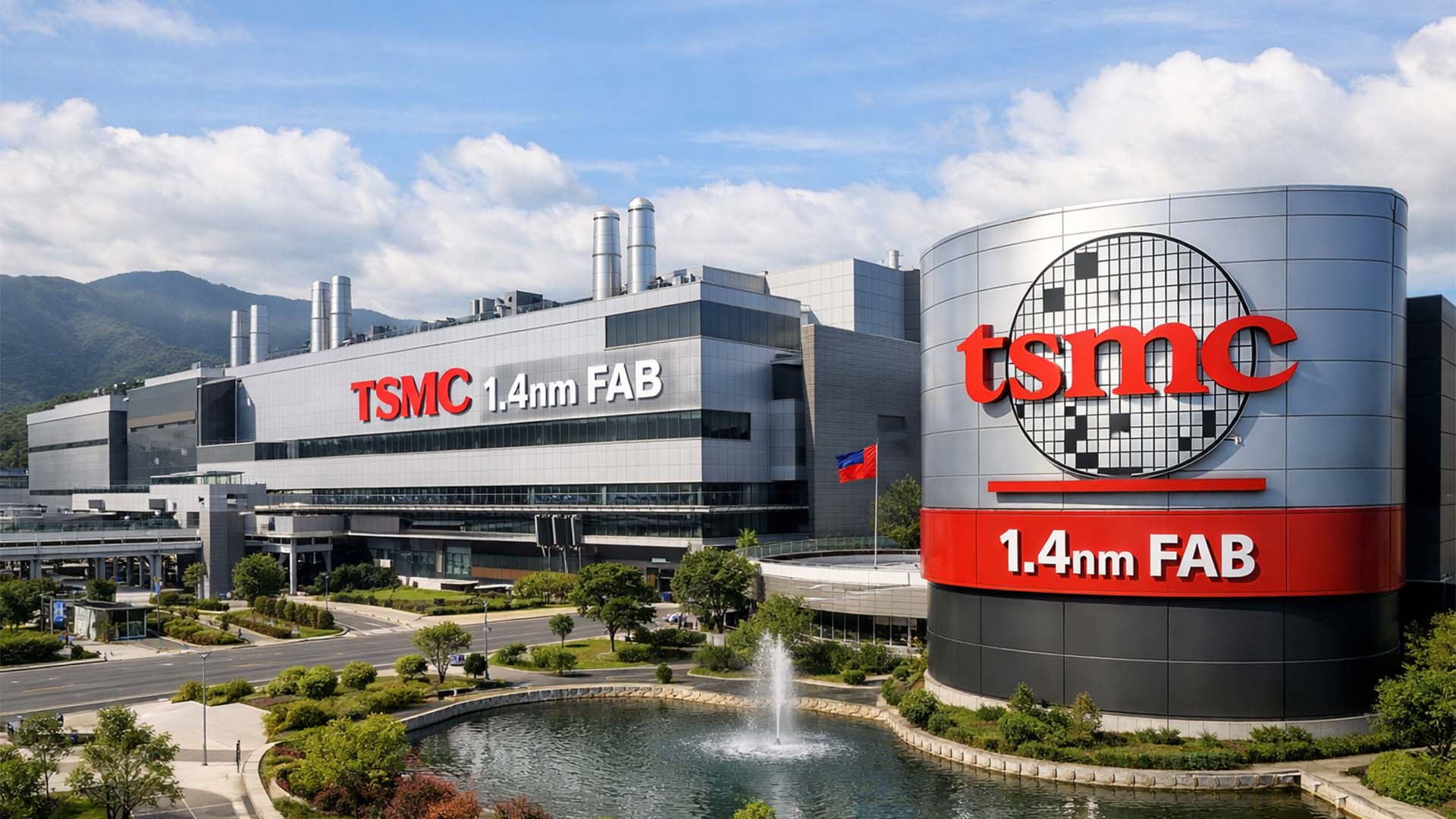
TSMC has not even launched its first wave of 2nm chipsets yet, but the company is already moving aggressively toward the next major leap in semiconductor manufacturing: the 1.4nm process, also known as A14. If the latest industry reports are accurate, the Taiwanese chip giant is preparing to widen its lead in advanced chip production with a new fabrication facility scheduled for completion in 2027.
The new plant is being built at the Central Taiwan Science Park near Taichung, a key location in Taiwan’s semiconductor expansion strategy. Construction is already underway, and the facility is reportedly expected to be completed by April 2027. Trial production for TSMC’s 1.4nm process could begin in the third quarter of the same year, with full-scale mass production planned for 2028.
This timeline is significant because it shows how quickly TSMC is moving beyond 2nm. The company’s 2nm technology is still waiting to enter the market in commercial products, yet TSMC is already laying the groundwork for the next generation. In the high-stakes world of chip manufacturing, being first to a new node can translate into massive advantages in performance, power efficiency, customer demand, and long-term revenue.
TSMC is reportedly planning a total of four fabrication plants dedicated to 1.4nm chip production. That level of expansion will require enormous spending, with an estimated initial investment of around $49 billion. However, the potential return is equally massive. Each 1.4nm fab could reportedly generate up to $16 billion in annual revenue once production is fully ramped.
Apple is expected to be one of the earliest and most important customers for TSMC’s 1.4nm technology. The company has long relied on TSMC for its most advanced A-series and M-series processors, and it is reportedly preparing to move quickly from 2nm to 1.4nm within just two years. The first chip to use TSMC’s A14 process could be the Apple A22 Pro, which would likely power a future generation of high-end iPhones.
For Apple, early access to TSMC’s newest manufacturing nodes is a major competitive advantage. Smaller chip processes typically allow for better performance, improved energy efficiency, and more transistor density. That means future iPhones and other Apple devices could deliver stronger computing power while maintaining or improving battery life.
The rapid shift toward 1.4nm may also be influenced by the current surge in demand for advanced chips, especially due to the artificial intelligence boom. AI processors, data center accelerators, mobile chips, and high-performance computing products are all competing for access to cutting-edge manufacturing capacity. Apple will likely want to secure production space early to avoid supply constraints as demand for advanced wafers continues to rise.
While TSMC appears to be leading the charge, Samsung is still working to stay competitive in the sub-2nm era. The company’s 1.4nm technology, known as SF1.4, has been on its roadmap, but Samsung has reportedly been more focused on stabilizing yields for its 2nm manufacturing processes. Improving yield rates is critical because even the most advanced process node is not commercially useful unless it can produce chips efficiently and reliably at scale.
TSMC’s reported 2028 mass production target would put pressure on Samsung to accelerate its own roadmap. Although Samsung may be about a year behind in the 1.4nm race, that gap could give it time to fix issues from earlier process generations and improve manufacturing consistency. With Intel also pushing toward advanced sub-2nm technology, the competition among leading foundries is becoming more intense.
The race to 1.4nm is not just about marketing numbers. Every new node requires major breakthroughs in lithography, materials, transistor design, power delivery, and manufacturing precision. At this scale, even tiny improvements can have huge effects on speed, energy consumption, and chip density. That is why the move from 2nm to 1.4nm is expected to play a major role in the next generation of smartphones, AI hardware, laptops, servers, and high-performance computing platforms.
If TSMC successfully completes its first 1.4nm fab in 2027 and begins mass production in 2028, it could strengthen its position as the world’s most important advanced chip manufacturer. With Apple expected to be among the first customers and AI-related demand continuing to grow, TSMC’s A14 process may become one of the most important semiconductor milestones of the decade.