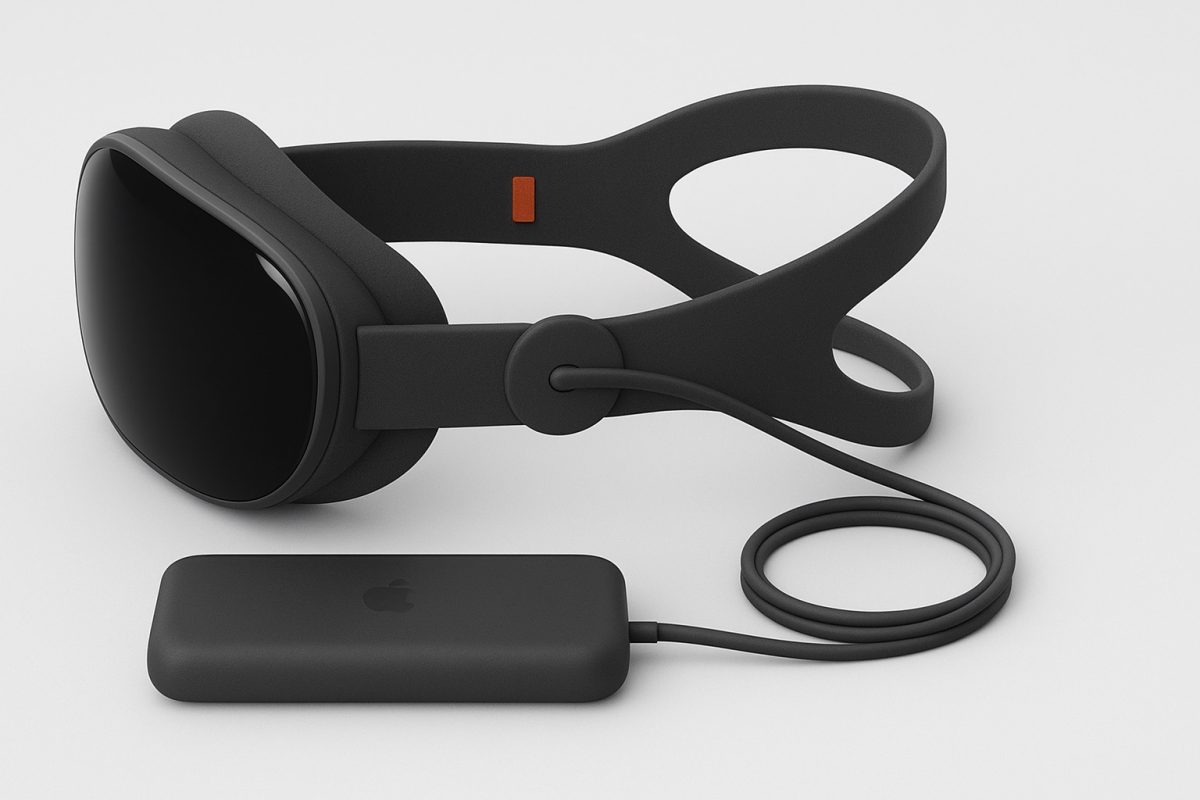
Apple is reportedly gearing up to broaden its spatial computing lineup with a new headset dubbed Vision Air, targeting a 2027 launch. Positioned as a lighter, more affordable counterpart to the current premium model, it’s designed to bring mixed reality within reach for far more people by trimming weight, simplifying components, and leveraging iPhone-class silicon.
The goal is accessibility without sacrificing capability. Vision Air is expected to come in at over 40 percent lighter than the high-end model, dropping the weight to under a pound. That alone would address one of the most common complaints from early adopters: extended sessions can feel heavy. A sleeker form factor, streamlined sensors, and material changes are all on the table to help hit that comfort target.
Cost is getting a rethink as well. Industry chatter suggests pricing could land up to 50 percent below today’s $3,499 flagship, putting a possible starting price near $1,750. That moves the headset into a more mainstream bracket—closer to premium smartphones and laptops—while still leaving room for advanced features.
Part of the savings may come from a smarter component mix. Apple is expected to move from glass to plastic elements in some areas, switch the frame from titanium to magnesium alloy, and reduce the number of sensors. These shifts can lower manufacturing costs and shave off grams, which in turn should improve wearability.
Under the hood, Apple is likely to pivot from Mac-grade M-series chips to the iPhone’s A-series for Vision Air. Don’t let the label fool you: recent A-series processors rival older M-series parts in many tasks, and by 2027 an A21-class chip built on TSMC’s 2nm process could deliver strong compute and graphics with better efficiency. That balance is ideal for a mixed reality device that must juggle performance, thermal limits, and battery considerations.
Timing-wise, mass production is reportedly slated for the third quarter of 2027. That timeline points to an announcement before year’s end, potentially alongside other late-2027 hardware reveals.
Key points at a glance:
– Lighter, more comfortable design aimed at under one pound
– Potentially up to 50 percent lower price than the current $3,499 model
– Material changes: plastic components in place of glass, magnesium alloy frame
– Streamlined sensor array to cut cost and weight
– A-series chip expected, likely on a 2nm process for efficiency and performance
– Mass production targeted for Q3 2027 with a late-2027 debut likely
If these plans hold, Vision Air could be the device that takes Apple’s mixed reality push from early adopters to a broader audience—without losing the polish and power that define the category. Would a lighter build and a lower price point make you consider a spatial computing headset?


