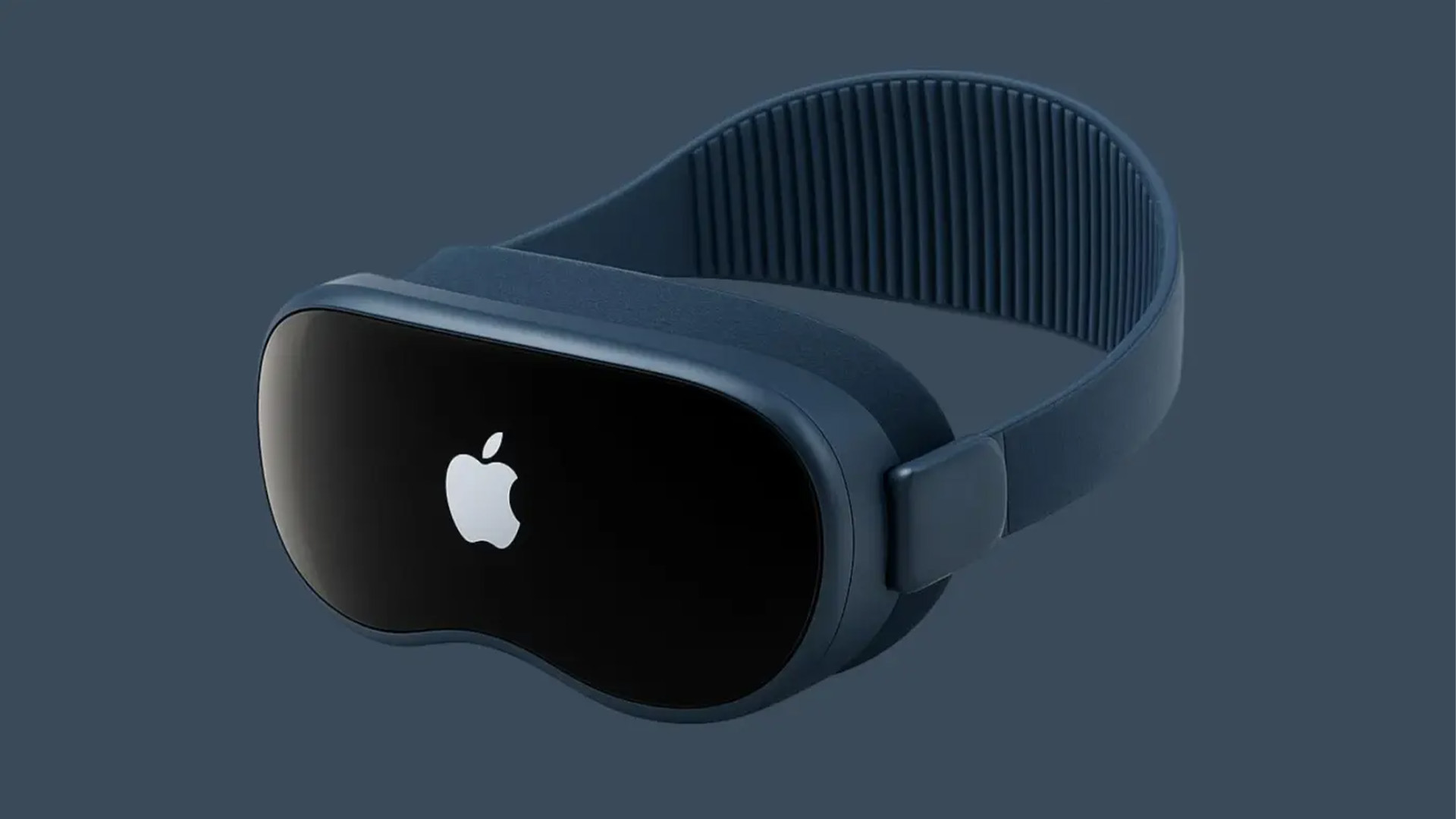
Apple’s mixed reality roadmap may be shifting again—and it could spell the end for the long-rumored budget headset. Multiple reports indicate the company has stepped back from developing an affordable “Vision Air,” a device previously expected to debut around 2027, after Samsung reportedly halted work on its cost-saving G‑VR display technology. If true, that leaves Apple’s second-generation premium headset stuck near the same eye-watering $3,499 price point, a barrier that has already limited mainstream adoption.
At the heart of the change is display strategy. Samsung had been collaborating on a glass-based microdisplay for mixed reality, known as G‑VR, built around micro‑OLED on a glass substrate. Compared to the pricier silicon-based approach used in high-end headsets, glass substrates can dramatically reduce manufacturing costs and help deliver a more wallet-friendly product. According to industry chatter, Apple has shelved those plans and may have asked Samsung to stop development, effectively removing the most viable path to a lower-cost Vision headset in the near term.
Why pivot now? One likely answer: smart glasses. Apple is said to be accelerating work on lightweight eyewear that could reach consumers as soon as 2026. The first version reportedly won’t include a full AR display, with a more advanced follow-up targeted for 2027. Strategically, that makes sense. Sleeker glasses are easier to wear all day, appeal to a wider audience, and align with the long-term vision of ambient, always-available computing—without the bulk and sticker shock of a premium headset.
The current premium model faces clear headwinds. Industry watchers have pointed out that the Vision Pro’s high price and substantial weight make it a tough sell beyond early adopters and professionals. Even with impressive engineering and best-in-class visuals, the device hasn’t yet landed the everyday use cases that convert curious onlookers into daily users. If Apple believes the dedicated AR/VR headset category will remain niche for the next few years, diverting resources toward a broader, more wearable platform is a logical move.
That said, shelving an affordable headset has consequences. Without a lower-cost entry, Apple’s mixed reality ecosystem remains gated by a $3,499 device. Fewer units in the wild can slow the flywheel that encourages developers to build XR-first apps, which in turn delays the “must-have” experiences that drive mainstream adoption. It also leaves the second-generation premium headset with a tougher path to growth, especially if it maintains similar pricing and form factor.
The smart glasses path could change that trajectory. Lightweight eyewear that integrates seamlessly with the iPhone and Apple Watch, supports glanceable information, spatial audio, and later, richer AR visuals, could become a daily companion for far more people. If the 2026 model establishes a foundation—comfort, battery life, voice and gesture input—then a 2027 version with embedded AR could push spatial computing into the mainstream without asking users to strap on a bulky headset.
Where does that leave Apple’s headset lineup today? Expect the premium model to continue evolving slowly, with incremental improvements in comfort, weight, optics, and software. But the company’s biggest bet may be shifting to a device category that blends fashion, function, and mobility—one consumers can wear for hours without fatigue or sticker shock.
Rumor likelihood: Plausible. The reporting comes from industry sources and lines up with broader market realities and commentary from well-known journalists, but Apple has not confirmed any changes. Timelines and features can still shift.
Key takeaways:
– Affordable Vision Air reportedly shelved after Samsung halted development of cost-saving G‑VR micro‑OLED on glass displays.
– Premium second-gen headset is expected to stick close to the $3,499 price point, limiting mass-market traction.
– Apple is reportedly accelerating smart glasses: version one in 2026 without full AR, a more capable AR-enabled follow-up in 2027.
– Strategic focus appears to be moving from niche premium headsets toward lightweight eyewear that could scale to millions of users.