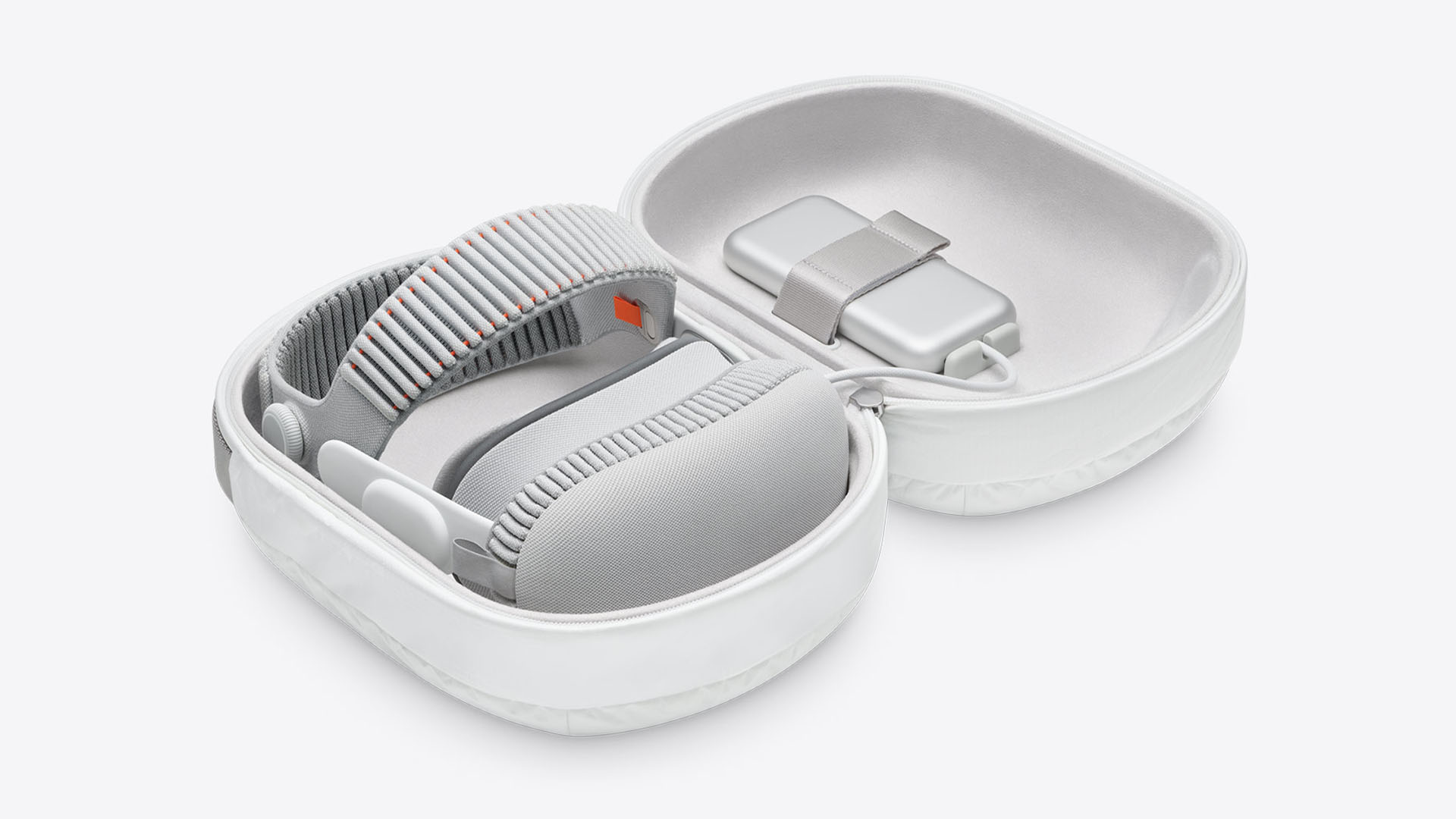
Apple’s next-gen headset plans may be hitting a serious slowdown, with fresh chatter suggesting production of the M5 Vision Pro could be on ice. The claim arrives after earlier reports that Apple dramatically slashed the marketing budget for the headset— reportedly by as much as 95 percent—because sales weren’t strong enough to justify spending big on promotion. Put simply: if a product isn’t moving, it’s hard to defend pouring millions into advertising it.
A new rumor circulating on Weibo says Apple has “suspended support” for M5 Vision Pro production. While the wording is vague, the implication is clear: fewer (or no) new units may be coming off the assembly line for now. If true, it would signal that Apple hasn’t managed to turn its premium mixed-reality headset into the breakout success many expected—despite upgrading the processor to the newer M5 chip, a noticeable step up from the M2 used in the first model.
The original Apple Vision Pro was estimated to ship under 500,000 units. For a first-generation product priced at $3,499 in the U.S., that number isn’t necessarily a disaster. The bigger challenge is that Apple operates in a world where iPhones, iPads, and wearables routinely sell in the millions. Even decent headset sales can look small next to the company’s usual scale, making it harder for the Vision line to meet internal expectations.
Apple’s own messaging has also hinted at this reality. CEO Tim Cook previously framed the headset as something aimed at early adopters—people who want tomorrow’s technology today—rather than a device built for mass-market adoption right away. Still, the price remains a major sticking point. For many shoppers, $3,499 competes with an entire bundle of Apple gear instead of a single headset. On top of cost, some early users have also complained about comfort, including head fatigue after relatively short periods, which draws attention to the tradeoffs that come with a heavier headset design.
If the M5 Vision Pro is truly in limbo, the clearest path forward would be a cheaper model designed for far more people to afford. That rumored device has been referred to as “Vision Air” in previous chatter, and it’s widely seen as Apple’s best chance to expand beyond the early-adopter crowd and grow the mixed-reality category in a meaningful way.
But even that route may not be smooth. Another concern raised in the wider rumor mill is that development hurdles have surfaced on the lower-cost headset, including talk that a key supplier stopped working on display panels that could have helped make a more affordable version viable.
As with any unconfirmed report, it’s worth treating these claims carefully. Still, the combination of reduced marketing spend, lukewarm reception compared to Apple’s biggest hits, and now talk of production being paused paints a clear picture: Apple’s mixed-reality strategy may be entering a reset phase. Whether that reset leads to a more affordable headset that finally breaks into the mainstream—or a longer pause before the next major push—remains to be seen.