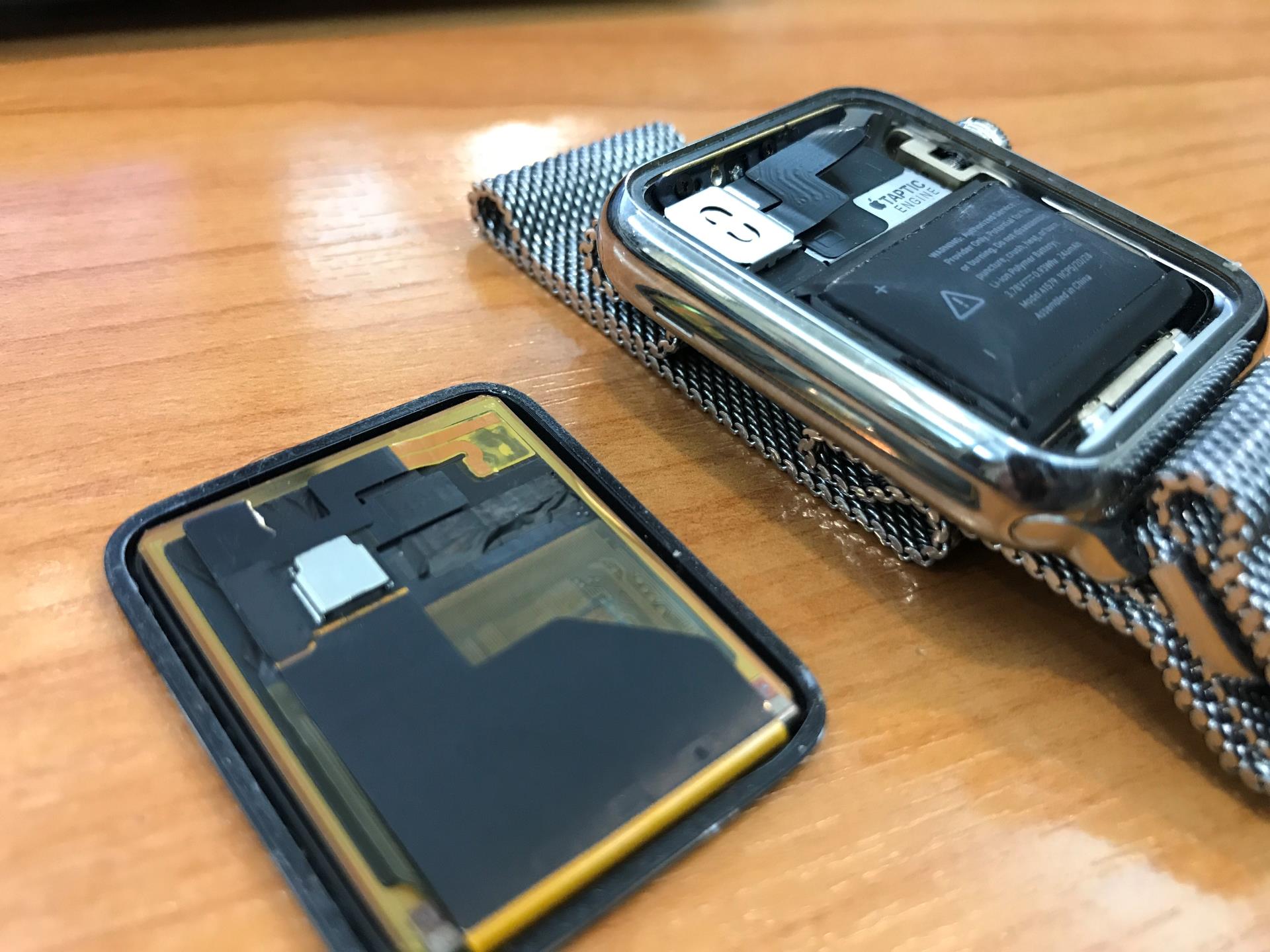
In 2019, a class-action lawsuit set the stage for a legal showdown, highlighting a critical defect in several Apple Watch models. Owners of these gadgets experienced a disconcerting issue — battery swelling that led to the display detaching from the device, among other concerns. This legal action was initiated in the U.S. District Court for the Northern District of California and focused on the Apple Watch Series 1, 2, and 3. Despite Apple’s denial of any culpability, the tech giant has chosen to settle the matter with a $20 million payout to affected users.
If you’re one of the unlucky owners who suffered from this flaw, you could be eligible for some compensation. U.S.-based claimants who reported battery swelling issues to Apple’s customer service between April 24, 2015, and February 6, 2024, can expect to receive between $20 and $50. The compensation might not seem substantial, and many users may choose to overlook this settlement given the relatively low amounts involved.
The official statement clarifies that the settlement covers those who purchased the original Apple Watch, Series 1, Series 2, and Series 3, none of which are available for sale anymore. Despite Apple’s firm stance against the allegations, the settlement will help them avoid prolonging the legal process.
Those wishing to claim their share must submit their requests by April 10, 2025, and visit the appropriate website for more information. However, it’s crucial to understand that accepting the compensation means waiving the right to further legal action against Apple related to this issue. Unfortunately, requesting a more substantial settlement isn’t an option, so accepting what’s offered might be the best course.
While the amount might not be life-changing, it’s certainly better than receiving nothing at all. On the corporate side, Apple’s $20 million settlement appears negligible when stacked against their substantial profits, such as their reported $36.3 billion profit in the first quarter of 2025.