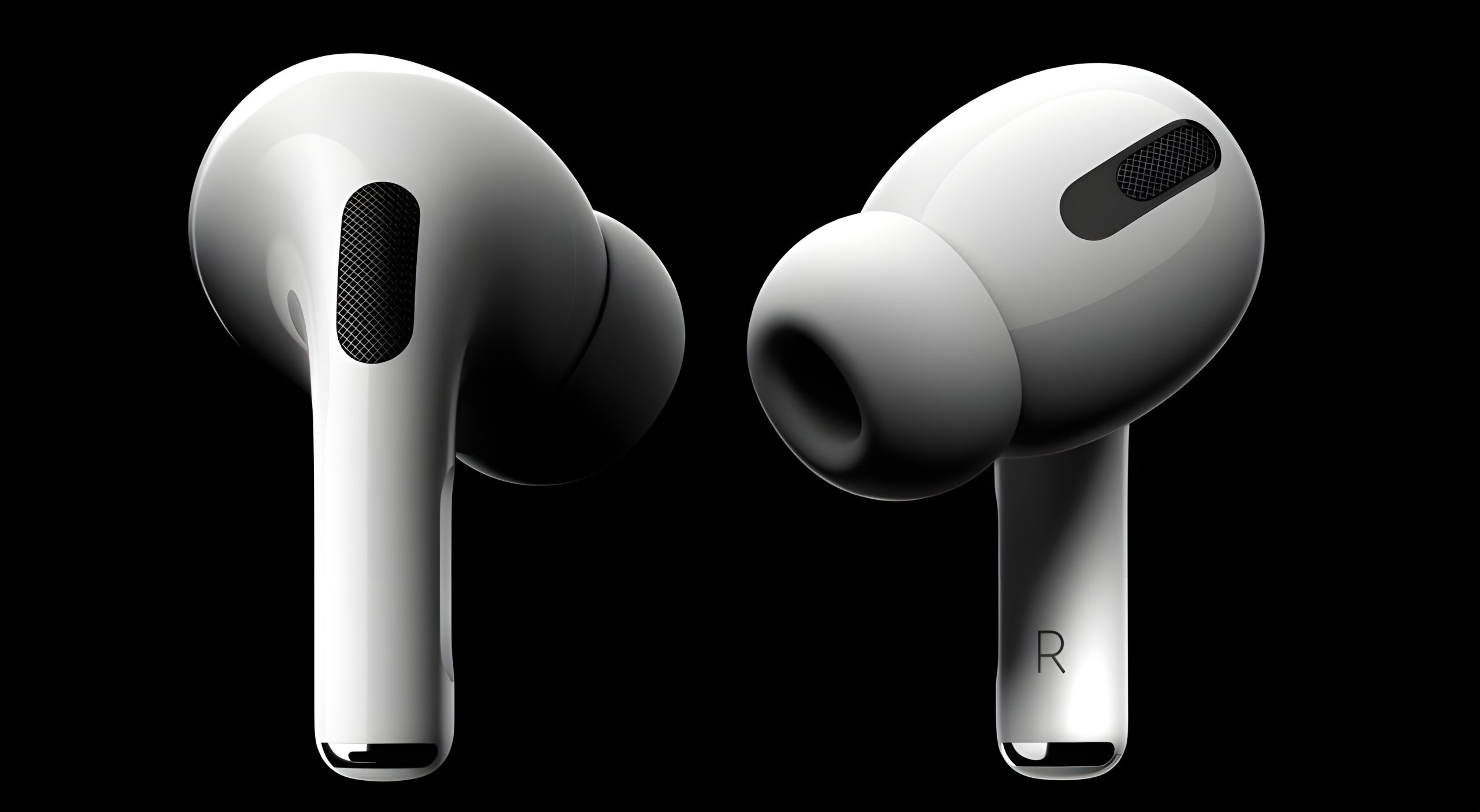
AirPods Pro crackling lawsuit narrows as Apple wins partial dismissal, but fraud-by-omission claim remains
The first-generation AirPods Pro have dogged Apple since their 2019 debut, with users reporting persistent crackling or static. Those complaints culminated in a lawsuit filed in November 2024. Now, Apple has scored a partial win: a judge has significantly narrowed the case, leaving only one core claim for the company to defend.
What the case is about
– The lawsuit, Lindsey LaBella et al v. Apple Inc., was filed in the U.S. District Court for the Northern District of California by nine consumers from seven states.
– Plaintiffs allege that AirPods Pro units sold between 2019 and 2022 suffer from an engineering defect that causes ongoing crackling or static noise.
– Apple attempted to address the issue with a software update in May 2020, followed by a repair program launched in October 2020.
– According to the plaintiffs, they either would not have purchased the product or would have paid less had Apple disclosed the alleged defect.
Apple’s attempt to end the case outright in March 2025 failed, but the company has now convinced the court to limit the claims moving forward.
What the judge just ruled
Judge Noël Wise granted Apple a partial win by dismissing several key categories of claims:
– Nationwide claims, due to multiple deficiencies
– State law claims for express warranty
– State law claims for implied warranty
The court also denied the plaintiffs’ request for injunctive relief. That request sought to compel Apple to repair, recall, or replace the affected AirPods Pro and to extend warranties for a reasonable period.
What still stands
Apple must now defend itself only against state-law claims of fraud by omission. The plaintiffs argue Apple had a duty to disclose safety-related issues with the AirPods Pro and failed to do so.
Importantly, some of the dismissed nationwide and warranty-related claims can potentially be amended and refiled within 21 days, depending on how the plaintiffs revise their allegations.
What plaintiffs need to prove next
To move the lawsuit into discovery—the phase where both sides exchange evidence—the plaintiffs will have to show:
– Apple knew about the alleged defect affecting first-generation AirPods Pro
– Apple deliberately withheld or suppressed material information about the crackling/static issue
Why this matters
– For Apple: The ruling trims down legal exposure and eliminates broad nationwide and warranty claims—for now—narrowing the company’s defense to the single, but serious, fraud-by-omission theory.
– For consumers: The decision doesn’t end the case. If plaintiffs substantiate that Apple knew of a defect and failed to disclose it, the fraud claim could proceed, potentially unlocking further remedies. If they cannot, the case may stall or shrink further.
– For the case’s timeline: The next 21 days are critical as plaintiffs consider amending dismissed claims. The court’s gatekeeping on discovery also raises the stakes for showing Apple’s knowledge and alleged nondisclosure.
The bottom line
The AirPods Pro crackling litigation is far from over, but the battlefield has changed. Apple avoided broad nationwide and warranty liabilities and will now focus on contesting a narrower fraud-by-omission claim tied to what it knew, when it knew it, and what it told customers. Expect the next updates to hinge on whether plaintiffs successfully amend their dismissed claims and whether they meet the threshold to enter discovery.