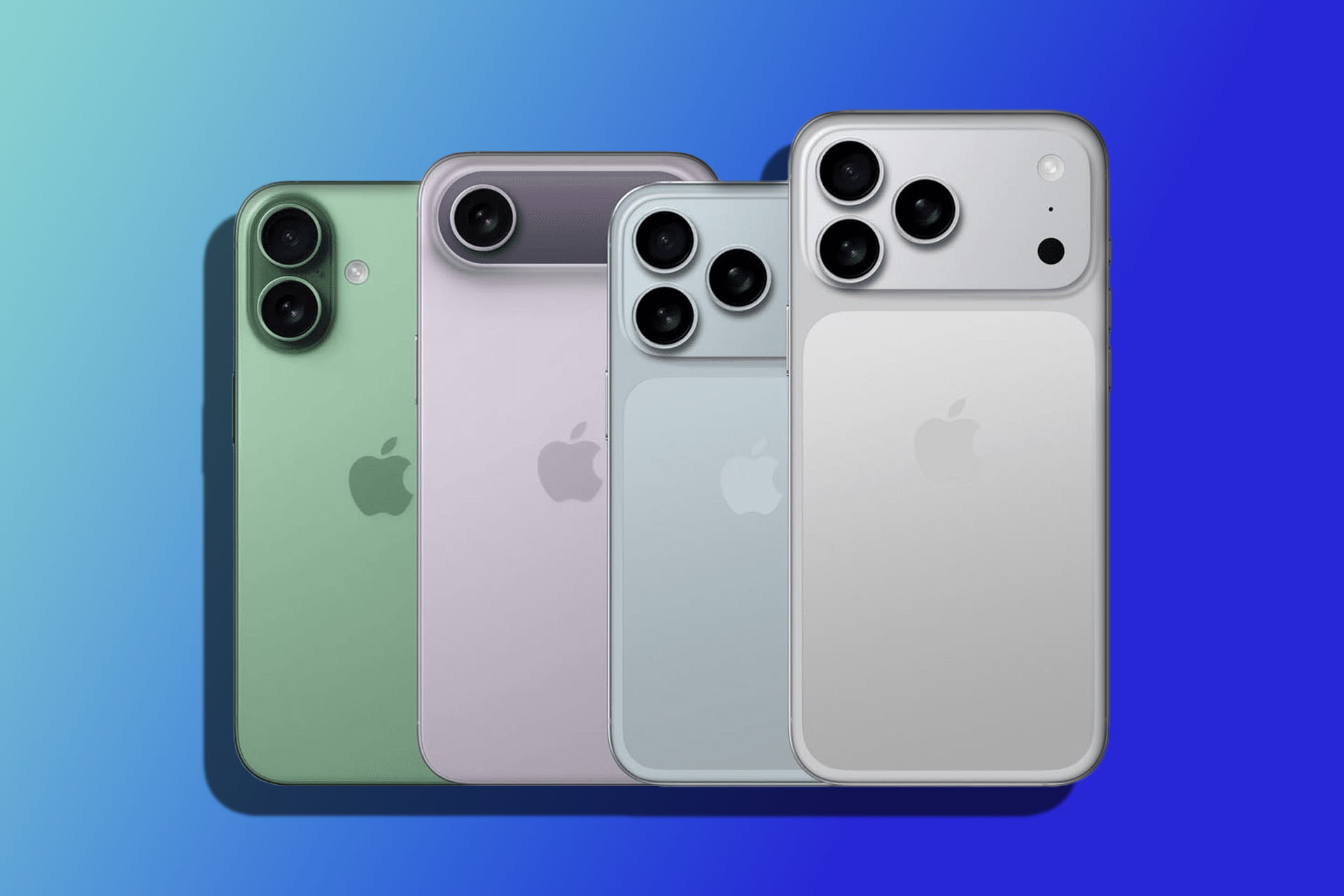
Apple’s iPhone lineup could grow to six models by 2027, as the company leans into a foldable design and expands its lower-cost “e” series, according to a new analyst forecast. The shift would mark a break from Apple’s long-standing four-flagship cadence and reflects a strategy aimed at covering more price points while countering a crowded Android market.
Right now, Apple’s top-tier family typically includes four iPhone models. That changed this year with the arrival of the more affordable iPhone 16e, bringing the total to five. A Daishin Securities analyst, Park Kang-ho, expects Apple to keep widening the range over the next two years, culminating in six iPhones in 2027.
Here’s how that roadmap could take shape:
– Early 2026: A budget-focused iPhone 17e could land first, with trial production reportedly ramping up soon. This would serve buyers who want modern features at a lower price.
– 2026 flagship season: Apple is widely expected to unveil its first foldable iPhone. To avoid overcrowding, the company may hold back the base iPhone 18 that year, simplifying the mainline launch while giving the foldable room to shine.
– 2027: Both iPhone 18 and iPhone 18e could arrive together early in the year, as projected by another well-known industry analyst, followed by four flagship models in the second half. One of those fall devices would be the successor to the 2026 foldable, bringing the lineup to six total models.
Why make such a dramatic change? Expanding the iPhone range lets Apple target a broader spectrum of buyers: value seekers looking for a dependable, lower-cost device; mainstream users who want the latest core features; power users who demand the best cameras and performance; and early adopters ready to pay a premium for a cutting-edge foldable. A wider lineup could also lift annual shipments by appealing to more customers globally.
Apple already benefits from a tightly integrated hardware and software ecosystem, and its custom silicon has consistently pushed gains in performance, battery life, and on-device intelligence. As that silicon roadmap advances, it becomes easier for Apple to differentiate models across tiers without compromising the user experience.
It’s worth noting that 2026 and 2027 are still a ways off. While the pieces of this strategy fit together, these are still projections. Treat them as plausible, but unconfirmed, and expect plans to evolve as Apple finalizes its foldable and budget-focused playbooks.


