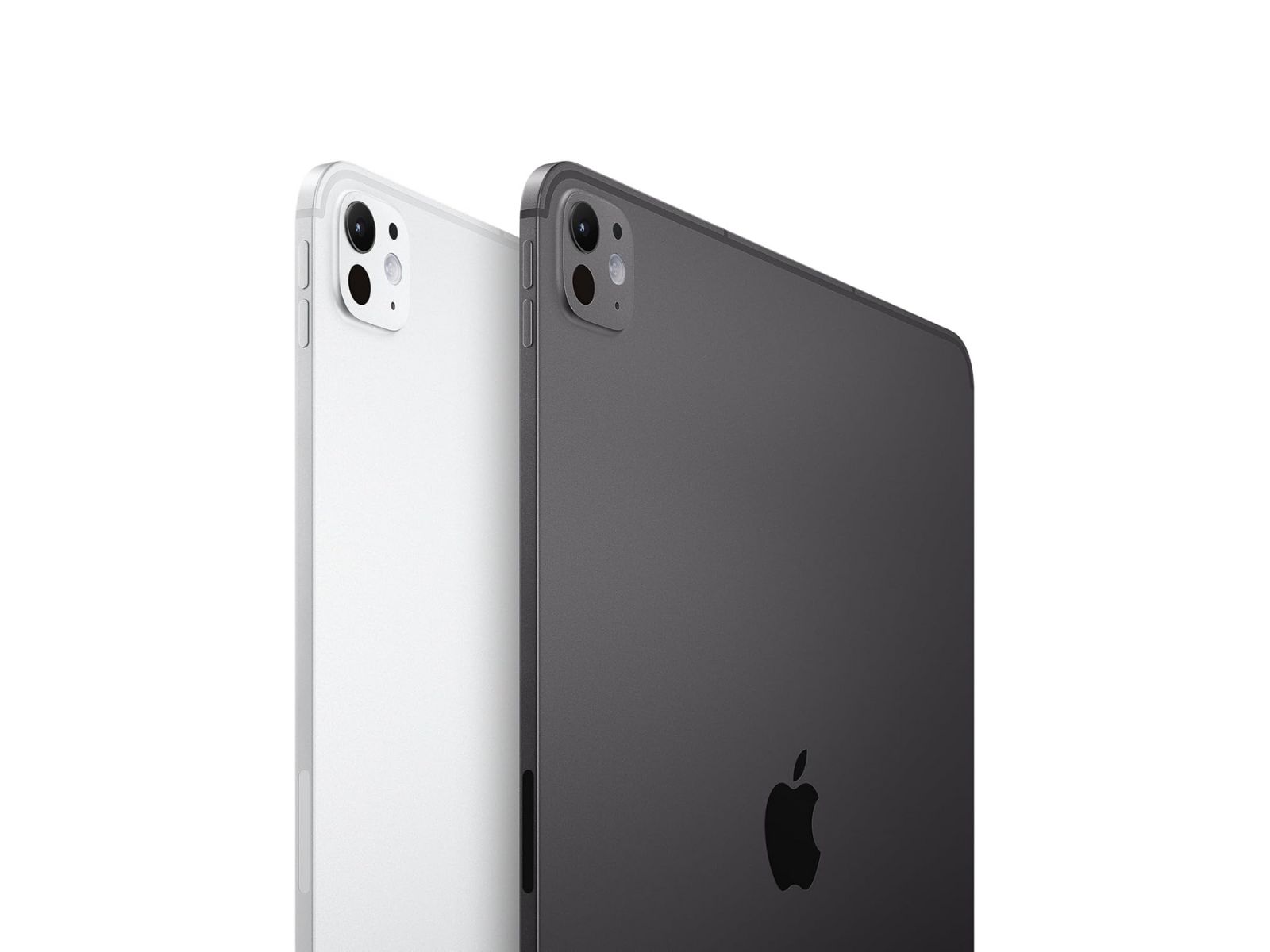
iPad Pro M5 vs M4: what’s new, what’s the same, and who should upgrade
Apple’s latest iPad Pro centers on two clear goals: dramatically faster on‑device AI and next‑gen connectivity. While the cameras and most pro video features remain unchanged from the previous model, the new M5 chip brings a meaningful leap in intelligence, memory bandwidth, and wireless speed.
The big performance play is AI. Apple claims up to 3.5x higher AI performance than the M4, driven by a faster 16‑core Neural Engine and a jump in memory bandwidth to 153 GB/s from 120 GB/s on M4. In real terms, that should benefit everything from image upscaling and real‑time transcription to code completion and photo/video effects that rely on machine learning. If you use AI‑assisted workflows or run on‑device models, this is the M‑series upgrade you’ve been waiting for.
Memory gets a practical boost too. The base M5 iPad Pro now starts with 12 GB of RAM on the 256 GB and 512 GB configurations, giving pro apps and heavy multitaskers more headroom. The 1 TB and 2 TB versions continue with 16 GB of RAM, just like before.
Video pros will find familiar tools with a subtle efficiency edge. Both M4 and M5 share the same advanced media engine, but Apple says M5 improves encode and decode efficiency. That can translate to smoother timelines and quicker exports in supported workflows. ProRes remains supported up to 4K at 30 fps, with the 256 GB model capped at 1080p for ProRes recording. External 4K60, extended dynamic range up to 30 fps, 1080p slow motion at 120/240 fps, time‑lapse with stabilization, and stereo recording are still on board.
Cameras are unchanged, which is good news if you already liked the M4 setup. On the back, there’s a 12 MP Wide camera with an ƒ/1.8 aperture, digital zoom up to 5x, Adaptive True Tone flash, and Smart HDR 4. Up front, the landscape 12 MP Center Stage camera offers an ƒ/2.0 aperture, 2x zoom out, Smart HDR 4, Portrait mode with advanced bokeh and Depth Control, six Portrait Lighting effects, 1080p up to 60 fps, cinematic video stabilization, plus Animoji and Memoji.
Connectivity is where the M5 pulls away decisively. A new N1 wireless chip unlocks Wi‑Fi 7, Bluetooth 6, and Thread. That combo aims to boost AirDrop performance, make Personal Hotspot more reliable, and better integrate with Thread‑enabled smart home accessories. Cellular models also pick up Apple’s C1X modem, which the company says delivers up to 50% faster data speeds with up to 30% lower power use, alongside 5G (sub‑6 GHz), Gigabit LTE with up to 31 bands, GPS/GNSS, eSIM support, and Wi‑Fi calling.
Key takeaways for shoppers
– Biggest gains: on‑device AI speed, wider memory bandwidth, and next‑gen wireless (Wi‑Fi 7, Bluetooth 6, Thread) with a faster, more efficient modem on cellular models.
– Practical upgrade: base configurations now include 12 GB of RAM, improving multitasking and pro‑app performance without jumping to 1 TB.
– Video and cameras: features and hardware are essentially the same as the M4, with the M5 offering improved encode/decode efficiency rather than new formats.
– Who should upgrade: creators and professionals using AI‑heavy workflows, frequent travelers who rely on hotspot and cellular data, and anyone looking to future‑proof with Wi‑Fi 7 and more baseline memory.
If you prize camera changes or radically different video specs, the M4 still holds up well. But for AI performance, wireless speed, and a smarter default memory setup, the M5 iPad Pro is the clearly more future‑ready choice.