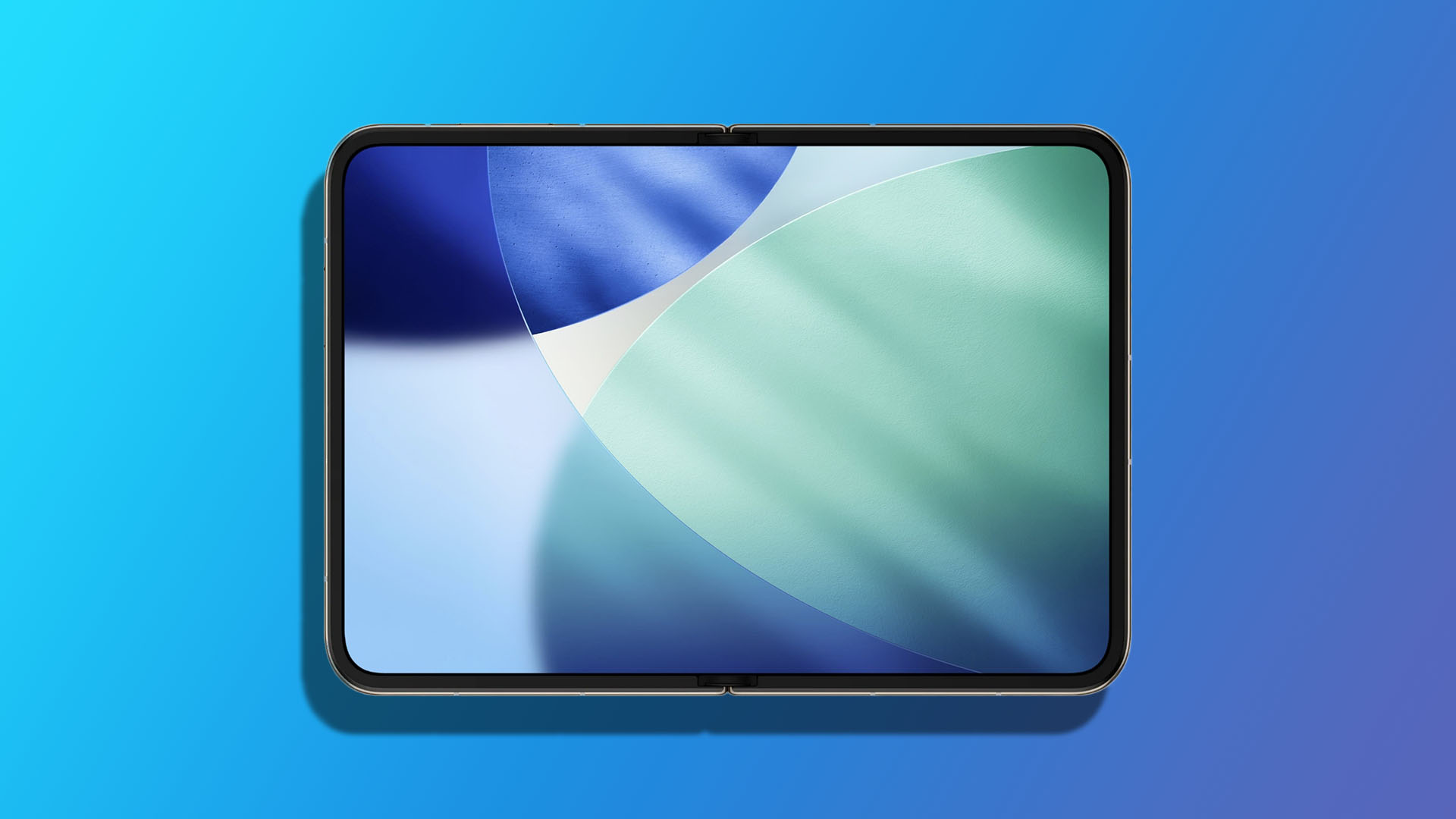
Apple’s Foldable iPhone Ultra May Arrive in Early 2027 as Launch Timeline Reportedly Shifts
Apple’s long-rumored foldable iPhone, widely referred to as the iPhone Ultra, may arrive later than many expected. While the device was previously believed to be on track for a fall 2026 debut, fresh supply chain chatter now suggests Apple could push its first foldable iPhone release to early 2027.
The delay appears to be tied to a mix of engineering hurdles, production scheduling, and component supply constraints. For a product as ambitious as Apple’s first foldable phone, even small technical complications can have a major impact on the launch timeline.
The iPhone Ultra is expected to be one of Apple’s most premium devices ever, and the company appears determined to avoid launching it before the hardware meets its usual standards. Foldable phones are notoriously difficult to perfect, especially when it comes to display durability, hinge design, heat management, and long-term reliability.
Earlier rumors suggested Apple had faced challenges with the foldable hinge mechanism. Some claims pointed to unusual sounds coming from the hinge when the device was opened and closed. However, other sources later pushed back on that idea, suggesting the bigger issue may have involved the manufacturing process for the device’s printed circuit board.
One reported challenge involves Surface-Mount Technology, commonly known as SMT. This process allows tiny electronic components to be mounted directly onto the surface of a circuit board. Instead of using wires to connect each component, SMT places components onto connection pads, where solder paste creates both a mechanical and electrical bond after heat is applied.
For a standard smartphone, this process is already complex. For a foldable iPhone with a thinner body, advanced internal layout, and a more complicated mechanical structure, the manufacturing requirements become even more demanding.
A new report from Asia adds more weight to the possibility of a delayed release. According to comments attributed to key Apple supply chain partners, scheduling factors may push an upcoming Apple product into early next year. Because the iPhone 18 Pro and iPhone 18 Pro Max are still expected to remain on track for a traditional fall launch, speculation has focused heavily on the foldable iPhone as the device affected by the shift.
That does not necessarily mean Apple will remain completely silent about the iPhone Ultra in 2026. One possible scenario is that Apple announces the foldable iPhone alongside the iPhone 18 Pro lineup in September 2026, then begins sales in early 2027. Apple has used staggered release strategies before, and this approach could help the company manage production more carefully.
A delayed store launch could also make sense because of pressure across the semiconductor and memory supply chain. Apple is expected to rely on extremely advanced chip manufacturing for its upcoming devices, and high demand for next-generation components may limit early production volume. A foldable iPhone is also expected to be produced in smaller quantities than mainstream iPhone models, at least at launch.
The iPhone Ultra price is expected to reflect its premium positioning. Current expectations suggest a starting price of around $2,000, while the highest-end configuration could reach approximately $2,200. That would place Apple’s foldable phone well above the standard iPhone Pro models and firmly in ultra-premium territory.
Apple appears to be targeting buyers who want cutting-edge design, a larger foldable display, advanced materials, and top-tier performance. The pricing would also help Apple position the iPhone Ultra as a luxury flagship rather than a mass-market replacement for the regular iPhone.
The foldable iPhone is expected to feature Samsung-made M14 OLED display panels. Apple is also rumored to be working on a near crease-free design, one of the biggest challenges in foldable smartphones. To reduce the visible crease, the device may use Ultra-Thin Glass or Ultra-Thin Flexible Glass, with reduced thickness around the hinge area to lower stress on the display.
Other display technologies may also help keep the foldable panel slimmer and more durable. These could include Color Filter on Encapsulation, which can reduce display thickness, as well as flexible adhesive between display layers. The hinge itself is expected to play a major role, not only in improving durability but also in helping minimize the crease.
Interestingly, the hinge may also function as part of the device’s thermal system. Combined with a dedicated vapor chamber, the foldable iPhone could offer better heat control during heavy tasks such as gaming, video editing, multitasking, and AI-powered features.
On the performance side, the iPhone Ultra is expected to run on Apple’s A20 Pro chip. It may also include 12GB of RAM and Apple’s in-house C2 modem. These upgrades would make it one of the most powerful iPhones ever released, designed to handle demanding workloads and future software features.
One surprising detail is the rumored absence of Face ID. Instead, Apple may use Touch ID for biometric authentication on the foldable iPhone. This could be due to space limitations, display design constraints, or Apple’s effort to keep the foldable screen as clean and efficient as possible.
If the latest timeline proves accurate, Apple’s first foldable iPhone may not reach customers until early 2027. Still, the device is shaping up to be one of the most important iPhone launches in years. With a premium foldable display, advanced hinge engineering, high-end performance, and a price tag to match, the iPhone Ultra could mark Apple’s biggest design shift since the original iPhone X.