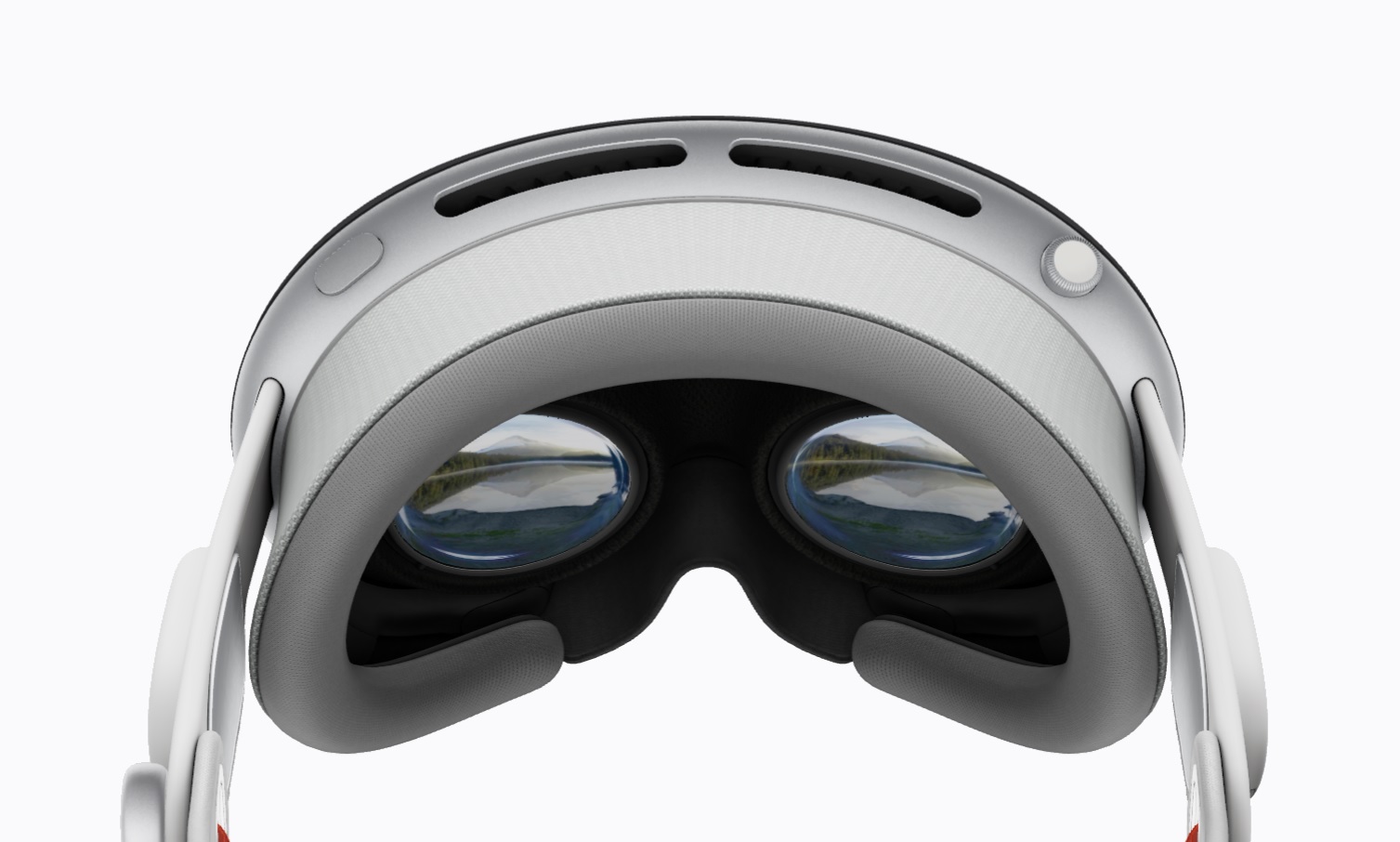
Despite facing underwhelming sales with the Apple Vision Pro, it appears that Apple has not lost faith in its augmented reality (AR) aspirations. In fact, the tech titan is doubling down on the future of mixed-reality headsets. A successor to the high-end Apple Vision Pro is currently in development, alongside smart glasses that aim to reinvent the way users interact with technology.
The success of the Apple Vision Pro in the market may not have skyrocketed as anticipated, but that hasn’t deterred Apple from planning to release a more budget-friendly version of its AR headset. This version is slated to come out in 2025, which indicates the company’s commitment to making mixed-reality technology more accessible to consumers.
Apple’s strategy appears to be multi-pronged, focusing not just on its existing product but looking to expand its lineup with more advanced and cost-effective offerings. Despite the suspension of the development on the Apple Vision Pro successor, reports suggest that progress has resumed, with Apple tackling the technicalities of integrating premium features in a cutting-edge head-mounted wearable.
The low-cost edition of the Apple Vision Pro is reportedly in the process of fine-tuning. To reduce the price point, the company is contemplating compromises such as utilizing an iPhone chipset, opting for a lower-quality display, and cutting back on cameras and features like EyeSight. This edition might also require tethering to an iPhone or Mac, as opposed to functioning as a standalone device. Such cost-reduction measures are not without their drawbacks, but they are deemed necessary to address the financial implications of producing an expensive headset targeted at a niche market.
Regarding the pricing strategy for the more affordable model, it is expected to be in the range of a premium iPhone, which suggests that while the costs will be lower, consumers should still consider it as a significant investment.
As for the second-generation Apple Vision Pro and the development of smart glasses, details are scarce, and no definitive release date has been set. These products represent a considerable engineering feat, as they aim to provide the functionality of an iPhone while significantly reducing power consumption to tackle issues such as overheating.
Apple’s CEO Tim Cook has emphasized the importance of smart glasses in the company’s vision for the future. Nevertheless, actualizing this advanced wearable tech seems to remain on the horizon, with challenges in creating a sleek, performance-driven device still to be overcome.
In summary, the tech giant’s commitment to the augmented reality segment remains unwavering, despite its initial mixed-reality product not meeting sales expectations. With an eye on a more affordable AR headset expected to hit the market in 2025 and ongoing development of a premium successor and smart glasses, Apple is positioning itself for a future where AR technology becomes a pivotal part of the consumer electronics landscape. As we anticipate the release of the low-cost model next year, it may very well set the stage for the rejuvenation of Apple’s AR efforts and sustain its position in the growing augmented reality market.


