Apple quietly delays iPhone Air launch in China as eSIM-only design meets regulatory roadblocks
Apple has paused its iPhone Air rollout in China, replacing the expected September 12 pre-order and September 19 release dates with a simple “release information to be updated later.” The holdup centers on the phone’s eSIM-only design—an industry-first for Apple in China—where physical SIM cards are still widely used and eSIM infrastructure is not yet universal.
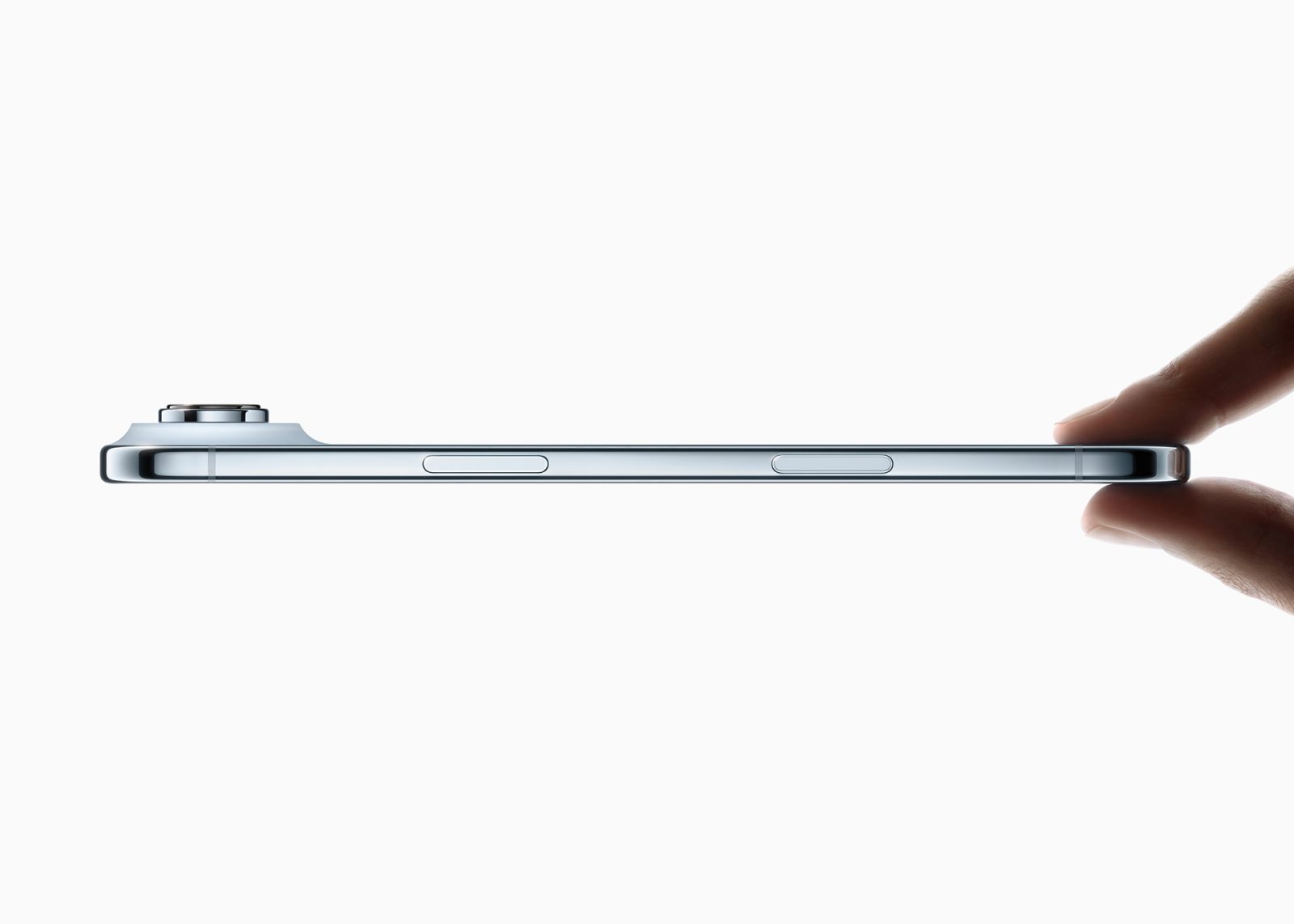
The iPhone Air stands out for more than its name. At just 5.6mm thin, it drops the physical SIM tray entirely, a move that relies on strong carrier support and clear regulatory approval. Early plans reportedly involved a limited launch via China Unicom with in-person verification for eSIM activation, but the strategy has expanded. Apple is now working to bring China Unicom, China Mobile, and China Telecom on board to ensure broader coverage from day one. That said, regulatory approval is still pending.
Signaling progress, China Mobile stated on Weibo that it has enabled eSIM services for mobile phones, though it offered no timeline for when iPhone Air users will be able to activate service. Once the green light arrives from regulators and carriers, Apple will be better positioned to reach more buyers across the country.
Outside China, the launch remains on track, with pre-orders for the iPhone Air expected to open as scheduled in the United States on Friday.
Why this matters for Apple in China
– The iPhone Air could become a pivotal device for Apple in a market dominated by strong local competitors.
– Carrier-wide eSIM support is crucial to ensure a smooth transition for users accustomed to physical SIM cards.
– A seamless eSIM activation experience, backed by all three major carriers, will be key to driving adoption once approval is granted.
What Chinese buyers should know
– The iPhone Air is eSIM-only, so users will need carrier support and proper verification to activate service.
– Wider carrier participation should make setup easier, but the official release timeline is still in flux pending regulatory sign-off.
– If you prefer or require a physical SIM card today, you may need to wait for eSIM services to be fully enabled for this model.
Apple’s strategy is clear: deliver a sleek, ultra-thin device and modernize connectivity with eSIM, even in markets where the transition is still underway. Keep an eye out for updated pre-order and release information as soon as carrier integrations and approvals are finalized.