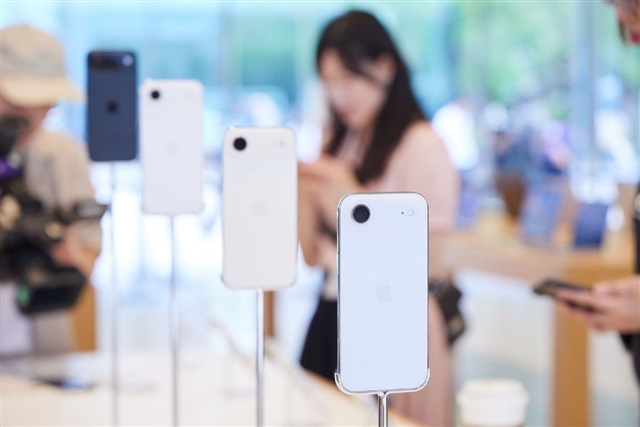
Apple’s iPhone 17 lineup has officially landed, and early momentum suggests the next global upgrade cycle is underway. Initial demand looks strong, with preorders in China pushing delivery windows for certain models. Yet the headline-grabbing iPhone 17 Air has hit unexpected turbulence: its eSIM-only design doesn’t meet local regulatory requirements, effectively taking it out of contention in the world’s largest smartphone market. That’s more than a launch hiccup—it’s a strategic blind spot with real consequences for Apple’s growth story.
The broader series appears to be resonating. When preorders stretch shipping times, it’s usually a clear sign that core demand is there and buyers are eager to upgrade. That bodes well for Apple’s premium smartphone strategy and for users who have been waiting for design refinements and performance gains. But the iPhone 17 Air’s absence from China introduces a serious wrinkle that could reshape the product mix and sales trajectory well beyond launch week.
Why the iPhone 17 Air’s eSIM-only approach is a double-edged sword
– The promise: Going all-in on eSIM simplifies device design, improves durability, and paves the way for sleeker hardware. It also streamlines carrier switching and supports a more seamless digital onboarding experience.
– The problem: Not every market is ready. In regions where regulations and carrier infrastructure still favor physical SIM cards—or require them—an eSIM-only phone faces immediate roadblocks. China is the most notable example, and losing access to that customer base limits scale and momentum for any flagship.
For Apple, this creates a tricky balancing act. The company is signaling a bold vision for a SIM-free future, yet the practical reality is that some markets aren’t aligned with that timeline. Without a hybrid solution, Apple’s most talked-about model is sidelined where smartphone volume and premium adoption both matter immensely.
What this means for Apple’s launch strategy
– Sales mix shifts: With the iPhone 17 Air off the table in China, buyers will gravitate toward other models in the lineup. That could boost certain configurations while muting overall demand for the flagship that anchors Apple’s messaging.
– Competitive positioning: Rivals that support both eSIM and physical SIM slots maintain an immediate advantage in markets with stricter requirements. It’s a reminder that hardware decisions can’t be one-size-fits-all when regulations vary by region.
– Supply planning and marketing: Apple now has to finesse inventory, marketing, and carrier partnerships to keep momentum strong globally while addressing a glaring gap in China.
The bigger picture: a test of timing and flexibility
Apple often leads industry transitions, and the move toward eSIM-only phones is likely inevitable. The question is whether the timing aligns with regional readiness. The iPhone 17 Air’s situation underscores how critical regulatory compatibility is when rolling out foundational hardware changes. Even with strong worldwide interest and healthy preorders, missing the world’s largest market puts pressure on the rest of the lineup to carry the cycle.
For consumers, the shift to eSIM has real benefits, especially for frequent travelers and those who switch carriers. But it also depends on easy activation, broad carrier support, and regulatory clearance. Where those elements aren’t fully in place, even a top-tier device can find itself on the sidelines.
What to watch next
– Whether Apple adapts its strategy for the iPhone 17 Air in markets with stricter requirements
– How sales trends develop for the rest of the iPhone 17 lineup as shipping delays ease
– The pace of regulatory and carrier progress toward full eSIM support in key regions
Bottom line: The iPhone 17 series has momentum, signaling the start of a fresh upgrade wave. But the iPhone 17 Air’s eSIM-only design has run into a regulatory wall in China, turning a bold design decision into a strategic hurdle. If Apple can navigate this gap—through product flexibility, partnerships, or timing adjustments—it can still turn a strong launch into a dominant cycle. Until then, the flagship’s absence in a critical market will be the caveat attached to an otherwise promising debut.