iPhone 17 Air rumored to skip China as Apple leans into eSIM and ultra‑thin design
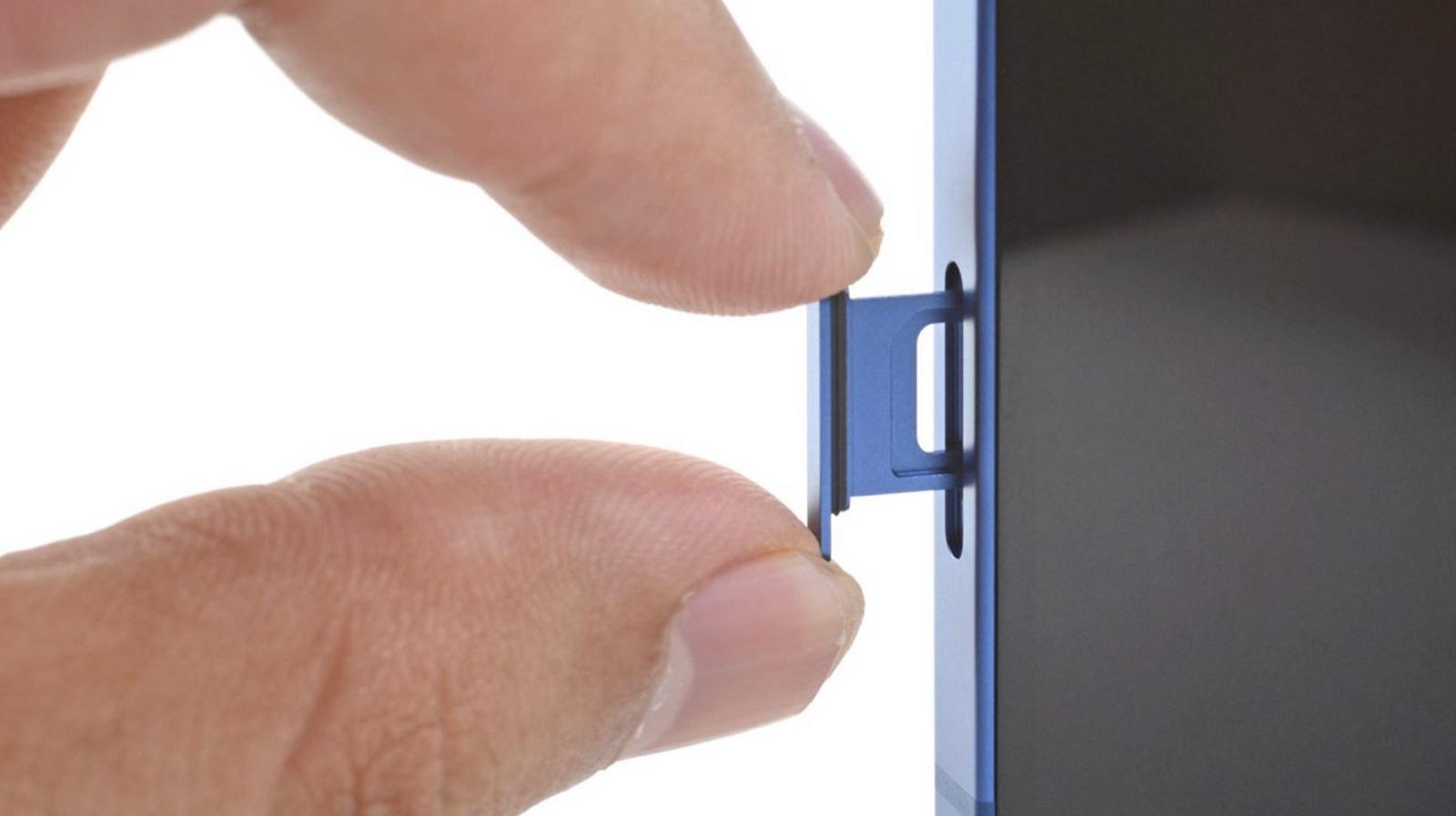
Apple’s upcoming iPhone 17 Air is expected to be the showstopper of the “Awe Dropping” event, thanks to a dramatic redesign that focuses on an ultra‑thin profile and exclusive features. But a new leak suggests the sleekest model in the lineup may not launch in China. According to Weibo tipster Fixed Focus Digital, Apple is planning to leave the iPhone 17 Air out of the Chinese market because it will reportedly be eSIM‑only and won’t include a physical SIM card tray.
In markets like the United States, Apple has already transitioned some iPhone models to eSIM‑only, and carrier support is strong. China, however, remains heavily reliant on physical SIM cards for activation and everyday use, with eSIM adoption still relatively limited. Launching an eSIM‑only device there would create compatibility issues for many users, which is why Apple is said to be adjusting its lineup by region.
There appear to be two major reasons behind this strategy. First, Apple’s long‑term goal is to eliminate SIM card trays altogether, streamlining the hardware and cementing eSIM as the standard. Starting that shift in select markets allows the company to manage the transition more smoothly. Second, the iPhone 17 Air’s ultra‑slim chassis leaves very little internal space. Dropping the SIM tray frees up room that could be used for other components, such as a slightly larger battery, which is especially important if the device’s thin frame restricts overall capacity compared to the rest of the iPhone 17 lineup.
If these reports hold, Chinese buyers will still see the iPhone 17, iPhone 17 Pro, and iPhone 17 Pro Max on store shelves, but the Air model would remain exclusive to regions with strong eSIM support. That decision underscores the challenges Apple faces rolling out eSIM‑only devices worldwide. It could have implications for sales in one of Apple’s most competitive markets, where design changes and feature upgrades are closely scrutinized and rivals move quickly.
For consumers, the takeaway is straightforward: in markets where eSIM is mature, the iPhone 17 Air could be the thinnest and most distinctive model of the year. In China, Apple appears poised to prioritize compatibility and carrier readiness over offering the full lineup. Unless eSIM adoption accelerates, this approach may continue into future cycles.
As always with pre‑launch reports, final details could shift at the announcement. But for now, the clearest picture is that Apple’s push toward eSIM‑only hardware is accelerating, and the iPhone 17 Air’s availability will likely reflect regional carrier realities.