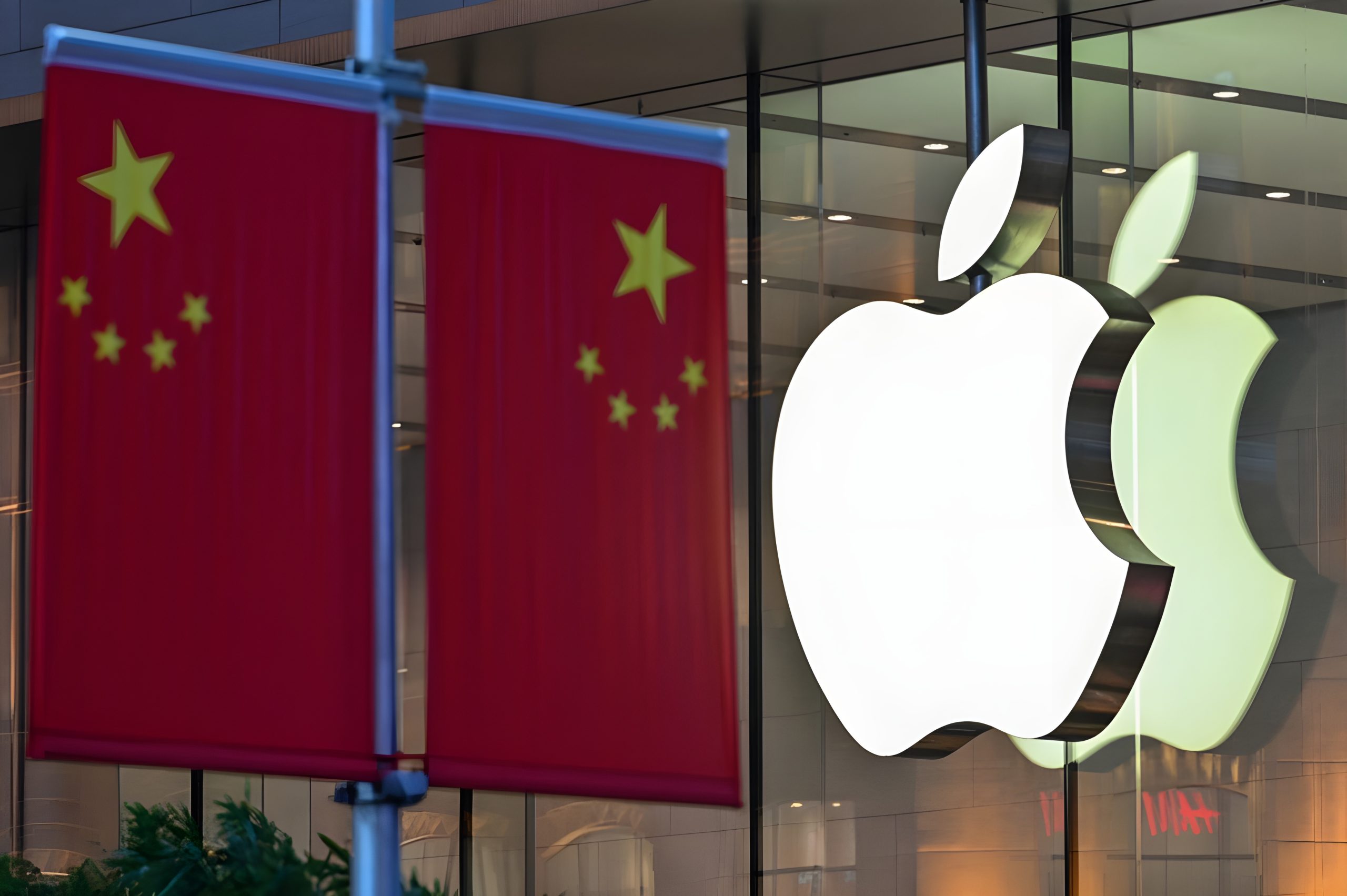
China is famous for racing ahead with new tech, yet one mobile feature has remained oddly absent from its smartphone mainstream: eSIM. That shift now looks inevitable. Apple’s decision to release the iPhone 17 Air as an eSIM‑only device is forcing the pace, nudging regulators, carriers, and competitors toward a long-awaited change.
Why Apple is pushing eSIM now
To hit the iPhone 17 Air’s ultra‑thin, titanium unibody design, Apple dropped the physical SIM tray. That sleek profile comes with trade‑offs: the Air reportedly packs the smallest battery in the range, roughly 62 percent of the Pro Max’s energy density and about 11 percent less than even the standard iPhone 17. Removing the SIM slot helps save space and improve durability, but it also complicates a China launch where smartphone eSIMs aren’t yet broadly approved.
Why eSIMs have been slow to land in mainland smartphones
China’s regulators and carriers have tiptoed around eSIM in phones for years, even though the country embraced the tech for IoT devices, smartwatches, and some tablets starting in 2020. Every eSIM still requires verified ID, and several structural factors have kept eSIMs out of handsets until now:
– Internet controls and cross‑border connectivity: With the Great Firewall restricting access to many foreign services, eSIMs from overseas carriers could offer an easy workaround. Visitors using foreign SIMs often access services that are otherwise blocked; high roaming costs deter widespread use by locals, but the policy risk remains.
– Phone number = payment identity: Alipay and WeChat Pay dominate daily transactions and both link heavily to mobile numbers. Authorities worry that easy access to foreign eSIM numbers without robust local ID checks could fuel fraud and money‑laundering.
– Mainland–Hong Kong dual system: Hong Kong users can legally access a different internet regime. Today, eSIM customers from Hong Kong can roam onto mainland networks. Maintaining a two‑tier approach—where tourists and Hong Kong residents use eSIM freely but mainland users don’t—has been a simple way to preserve current rules.
Signs the policy is changing
Apple is working with regulators and the big three carriers—China Mobile, China Unicom, and China Telecom—on eSIM support for the iPhone 17 Air, with timing dependent on official approval. Early signals are encouraging. China Unicom has begun a smartphone eSIM pilot, and a regional branch of China Telecom briefly posted a launch date for eSIM support aligned with the iPhone 17 Air’s original China release window before removing the notice.
What approval will likely look like
To uphold existing controls, expect safeguards such as:
– Locking China‑sold phones to eSIM profiles from mainland carriers
– Strict ID verification for eSIM activation and number changes
– Software‑level enforcement by device makers to prevent unauthorized profiles
What this means for China’s smartphone market
Once regulators give the green light, eSIM in Chinese smartphones should move quickly from pilot to mainstream. Apple’s push typically sets the tone for the broader market, and local brands are likely to follow fast with their own eSIM‑ready flagships. Consumers stand to gain cleaner designs, better durability, and simpler line management. Dual‑line setups are still possible with multiple eSIM profiles, subject to local rules.
The bottom line
China’s transition to eSIM smartphones has been delayed by unique regulatory and ecosystem realities, but Apple’s eSIM‑only iPhone 17 Air is the catalyst that changes the calculus. With carrier readiness building and approval mechanisms taking shape, eSIM support for smartphones in China looks imminent—and a rapid, industry‑wide rollout is the next logical step.