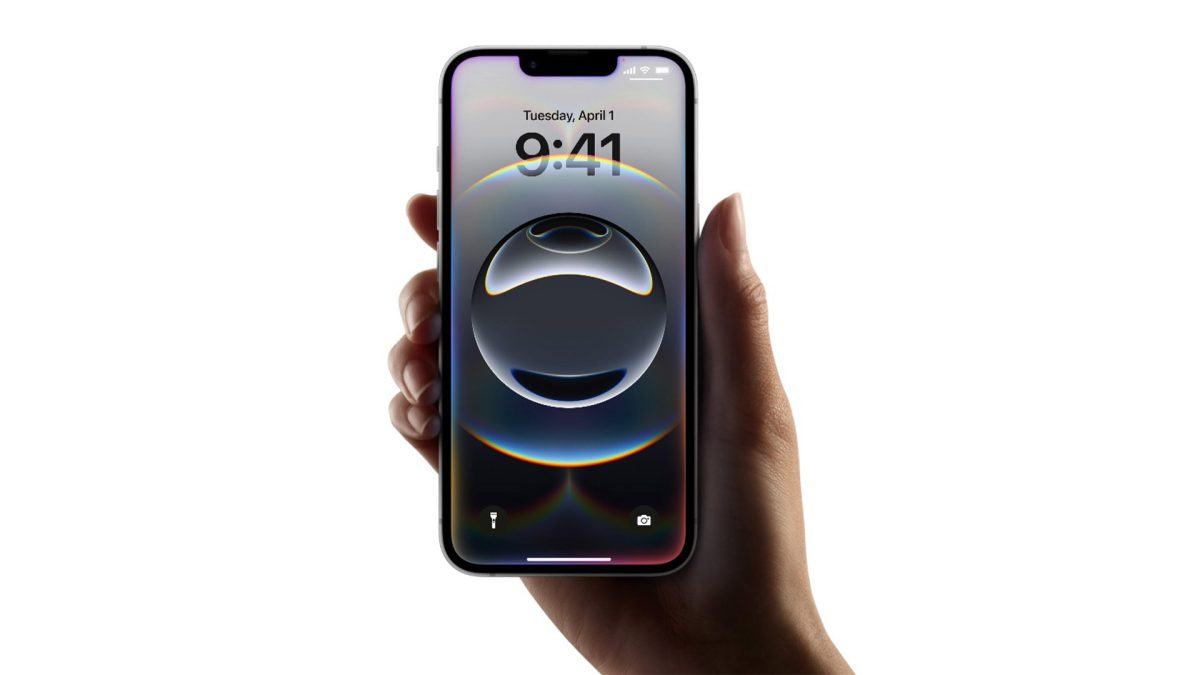
When Apple introduced the iPhone 16e, it quickly became a sensation, celebrated for its strategic use of in-house components. This approach significantly cut costs, making the model more budget-friendly. Key to this was the incorporation of the C1 modem, reducing reliance on Qualcomm, and further slashing component expenses. Although the iPhone 16e is still fresh on the market, whispers about the iPhone 17e are already making the rounds, hinting at a spring 2026 release.
A recent report suggests that the iPhone 17e will retain the same display size as its predecessor and is expected to debut mid-next year.
The iPhone 16e marked a pivotal shift for Apple, leaning heavily on internally developed components, including the C1 modem, to decrease production costs. This savvy move potentially saves Apple $200 million annually. Featuring a 6.1-inch display, it mirrors the design of the iPhone 14, indicating a return to tried-and-true models to maintain lower prices for this budget-friendly line.
A new supply chain insight has surfaced, echoing earlier predictions that the iPhone 17e will debut in spring 2026. This aligns with the iPhone 16e’s mid-cycle release, suggesting a pattern for the ‘e’ models. The focus isn’t just on the timing; it’s the consistent display specifications that grab attention.
Rumors indicate that the iPhone 17e won’t undergo significant changes, maintaining the same display size as the iPhone 16e, which itself repurposed the iPhone 14’s screen. This is a clear cost-saving strategy, aimed at keeping the price point accessible. While there might be some minor internal tweaks, the continued use of the same OLED display suggests Apple is opting for modest updates.
The ‘e’ models, successors to the iPhone SE, appear to be settling into a regular release rhythm, aligning more closely with annual updates typical of other iPhone lines, departing from the sporadic releases of past SE models. Confirmation from supply chain sources reinforces that Apple is likely to debut the iPhone 17e next year with the same OLED display as the iPhone 16e. This supports the idea of component reuse to reduce production costs.
Apple’s recycling of components across generations is not new. However, it’s hoped that this strategy doesn’t significantly impact user experience.


